The Perseid meteor shower is set to peak in the early hours of 12–13 August, offering potentially more than 100 meteors per hour under ideal, dark-sky conditions. A deep partial solar eclipse will also be visible across parts of the UK in the early evening before sunset, creating a unique night for skywatching. To improve your chances: find a dark location, allow 20–30 minutes for your eyes to adjust, and never view the Sun without certified eclipse glasses.
Perseid Meteor Shower Peaks Wednesday Night — Plus a Deep Partial Solar Eclipse in the UK
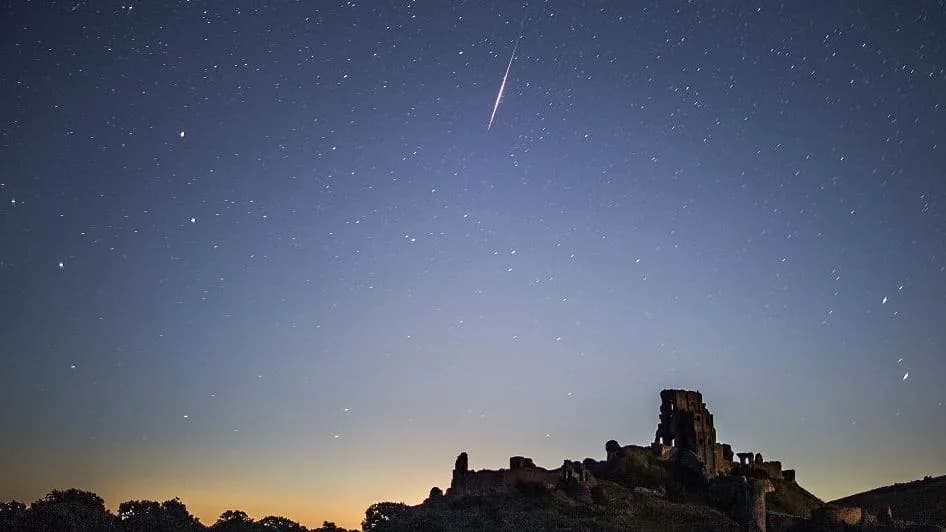
This year's Perseid peak coincides with a new moon, so there will be no bright moonlight to obscure meteors [Getty Images]
The annual Perseid meteor shower returns with its brightest display expected to peak on Wednesday night, offering one of the best nights for casual and dedicated stargazers alike. In the UK, skywatchers will also see a deep partial solar eclipse in the early evening before sunset, making for an unusually rich night of celestial events.
"It's the perfect cosmic coincidence of events," said Dr Becky Smethurst, Royal Astronomical Society research fellow.
What Causes the Perseids?
Meteor showers occur when Earth passes through streams of debris left behind by comets or asteroids. The Perseids are produced by fragments shed by Comet Swift–Tuttle. The comet's solid nucleus is roughly 16 miles (26 km) across and completes an orbit of the Sun every 133 years, so some meteors this year may come from material released more than a century ago.
When To Watch
The Perseid shower is active from mid‑July through 23 August, with the best activity on the peak nights. This year the highest rates are expected during the early hours between midnight and dawn on 12–13 August. Under ideal, dark-sky conditions observers can see more than 100 meteors per hour.
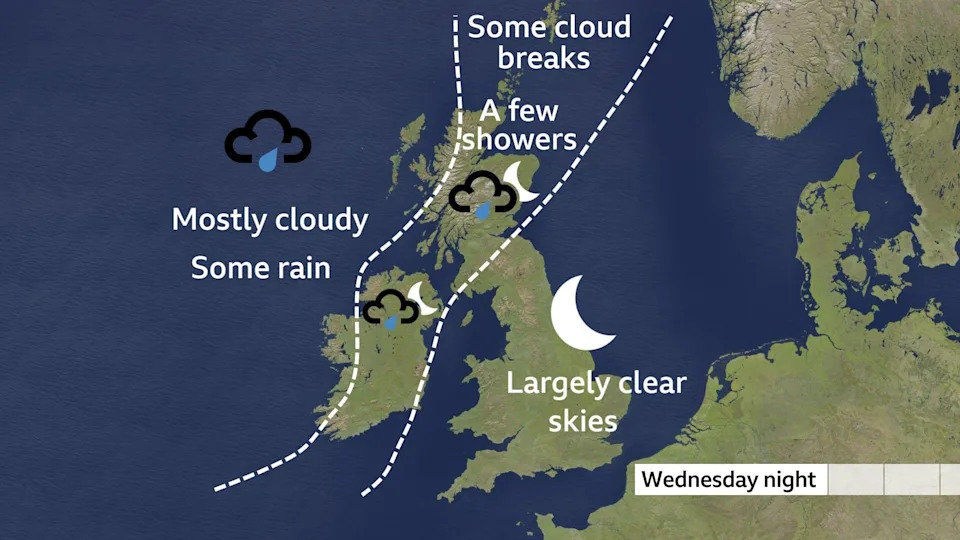
[BBC]
Viewing Tips
- Choose a dark location away from streetlights and city glow — light pollution hides fainter meteors.
- Allow 20–30 minutes for your eyes to adapt to the dark before judging how many meteors you can see.
- Face a wide, unobstructed part of the sky; meteors appear across the sky but radiate from the constellation Perseus.
- The new moon this year improves visibility by removing moonlight that would otherwise wash out faint trails.
The Solar Eclipse And Meteor Watching
A deep partial solar eclipse will be visible across parts of the UK in the early evening before sunset. Although the eclipse and meteor shower are unrelated, their timing makes for a memorable night. Where a total solar eclipse happens (for example, in parts of Spain), the brief darkening of the sky could, in theory, make it slightly easier to spot meteors — but the window is very short. "You would have to get very, very lucky to see a shooting star during the total eclipse," Dr Smethurst cautioned.
Safety First
Never look at the Sun without certified solar filters or eclipse glasses. Viewing the Sun directly without appropriate protection can cause serious and permanent eye damage. Follow guidance from your local astronomical society or certified eclipse eyewear providers.
Weather And Final Notes
Weather conditions will affect viewing. Forecasts at the time of writing suggest largely clear skies across much of England and Wales, with a higher chance of cloud and occasional showers across northern areas including parts of Scotland and Northern Ireland. Check local weather forecasts before you go and plan accordingly.
Enjoy the show and take time to relax and watch — meteor watching is best when you're comfortable and patient, allowing the sky to reveal its fleeting surprises.
Help us improve.