The FCC voted 2-1 to repeal a national cap that limited any broadcaster from reaching more than 39% of U.S. TV viewers, a rule dating to 2004. Supporters, led by Chairman Brendan Carr, say the change removes outdated constraints and allows transactions to be reviewed on a case-by-case basis. Critics—including Commissioner Anna Gomez and public-interest groups such as Free Press—warn the repeal could accelerate consolidation, threaten local control of programming and prompt legal challenges over the FCC's authority.
FCC Votes To Repeal 39% National Cap On Broadcast TV Ownership — 2-1 Party-Line Decision
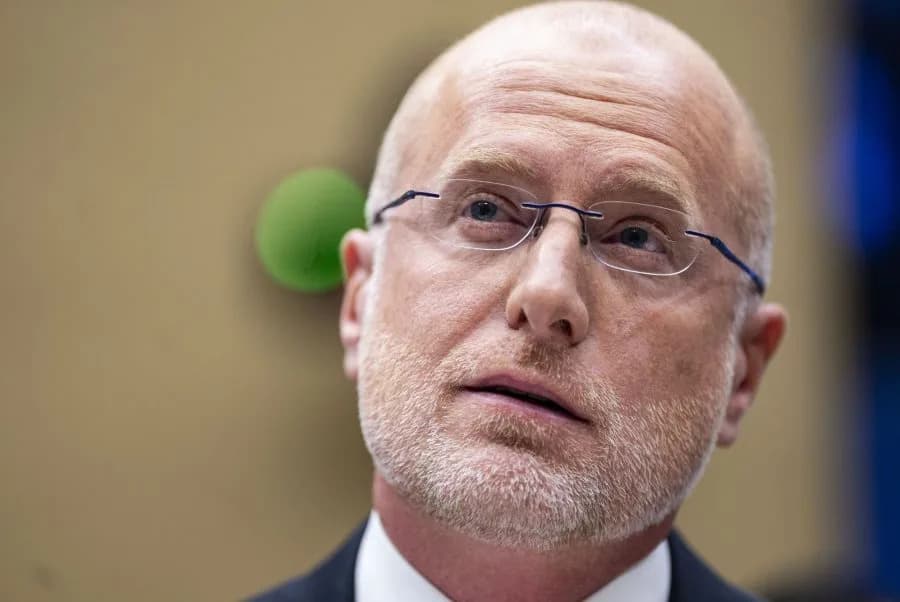
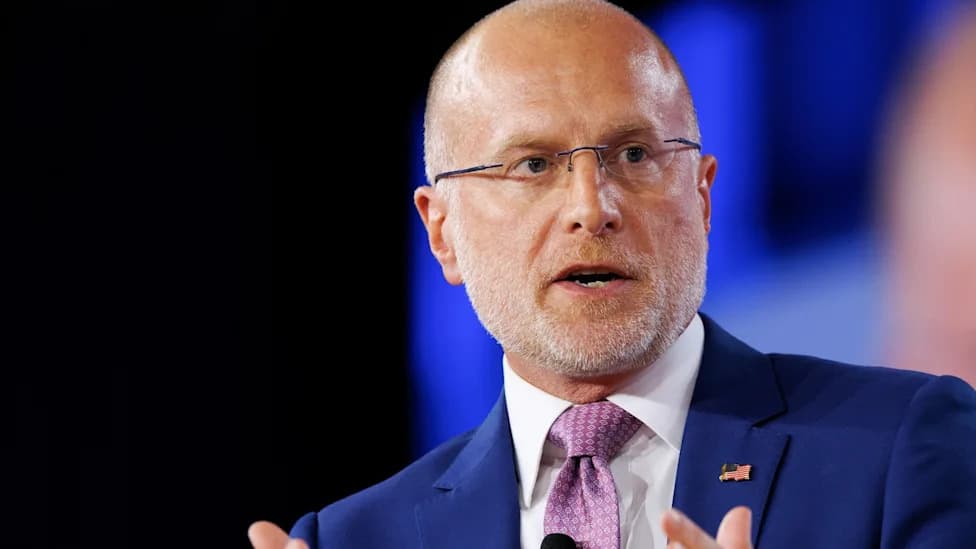
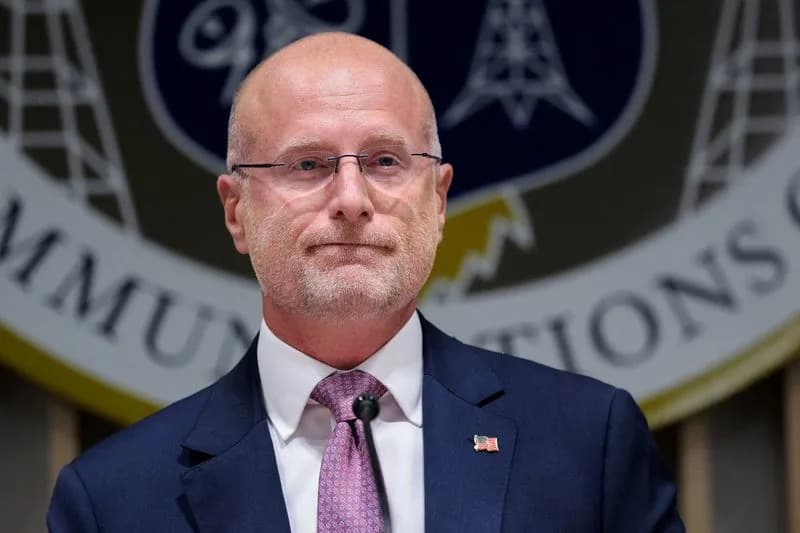
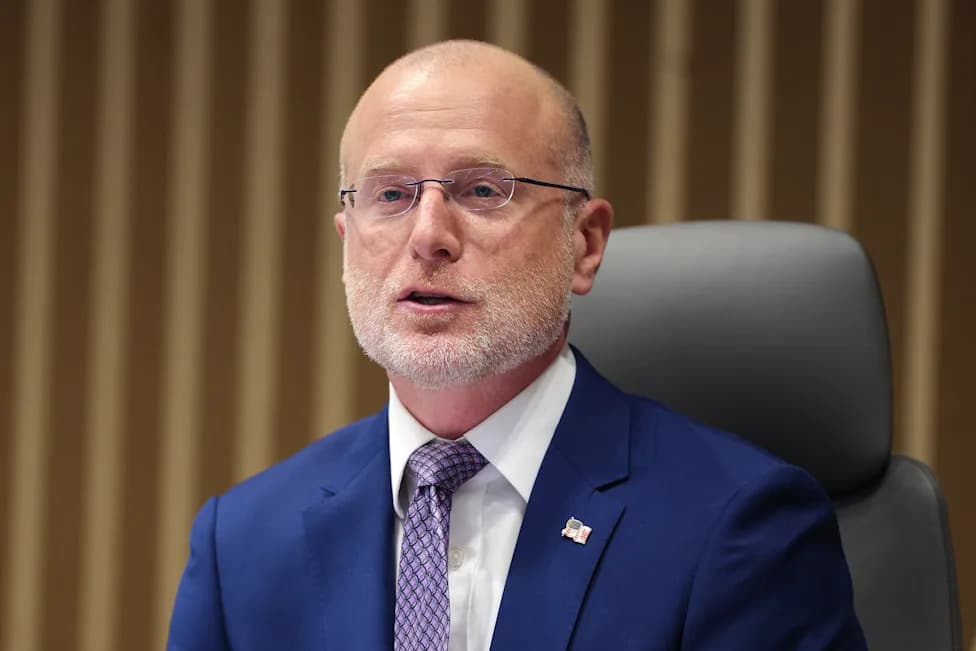
FCC Chair Brendan Carr said the repeal of the current 39% ownership cap of broadcast TV stations stops the "hamstringing" of the industry. File Photo by Bonnie Cash/UPI
The Federal Communications Commission on Thursday voted to eliminate the long-standing national cap that prevented any single company from owning TV stations that reach more than 39% of the U.S. television audience. The 39% limit had been in place since 2004.
What the Vote Did
In a 2-1 party-line decision, the FCC repealed the rule. Chairman Brendan Carr and fellow Republican Commissioner Olivia Trusty voted in favor; Democratic Commissioner Anna Gomez opposed the move. The agency said in a press release that future station acquisitions will be evaluated through a case-by-case review.
Supporters’ Rationale
Chairman Carr argued the cap was an outdated restriction that hamstrung local TV markets. Supporters say removing the national percentage limit will give broadcasters more flexibility to pursue transactions that can strengthen local stations and adapt to a changing media landscape.
Opposition And Concerns
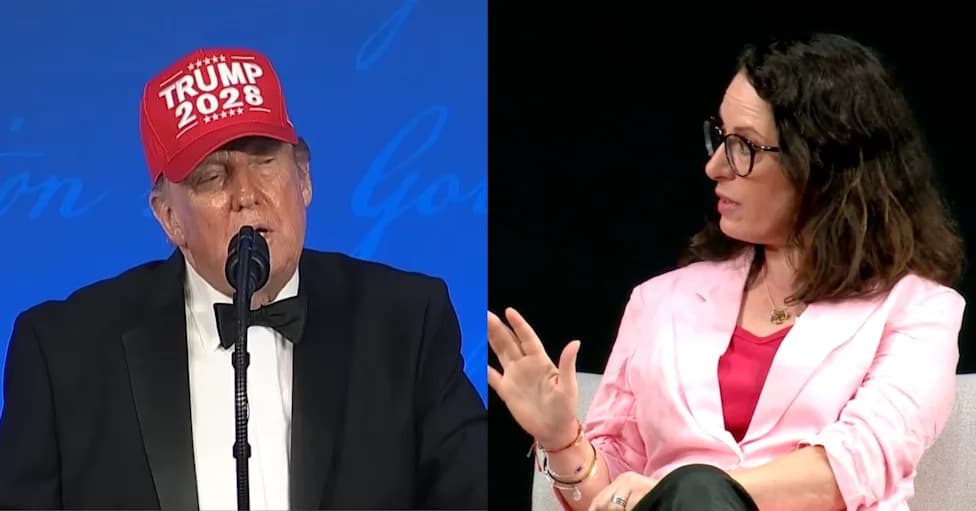
"Eliminating the cap does not free local broadcasters from economic pressure, it just changes who is doing the squeezing," said Commissioner Anna Gomez. "The large station groups positioned to grow even larger under this decision are not local broadcasters, they are national companies that own local stations and increasingly dictate what airs on them."
Critics, including public-interest groups, warn the repeal could accelerate consolidation in the industry, placing more local news and programming decisions in the hands of national companies. Matt Wood, general counsel for the public-interest group Free Press, charged that the move could spur consolidation that benefits certain ideological allies, and said opponents plan to challenge the repeal in court.
Legal Questions
Opponents have also questioned the FCC's legal authority to overturn a policy that was originally codified by Congress. Free Press and other groups indicated they will explore litigation to block the change, arguing the agency cannot simply undo a statutory limit.
What Comes Next
The repeal does not immediately change ownership at any single station but removes the national cap as a regulatory constraint on future deals. Prospective mergers or acquisitions will now be subject to FCC review on a case-by-case basis and are likely to face heightened scrutiny from opponents and possible legal challenges.
Help us improve.