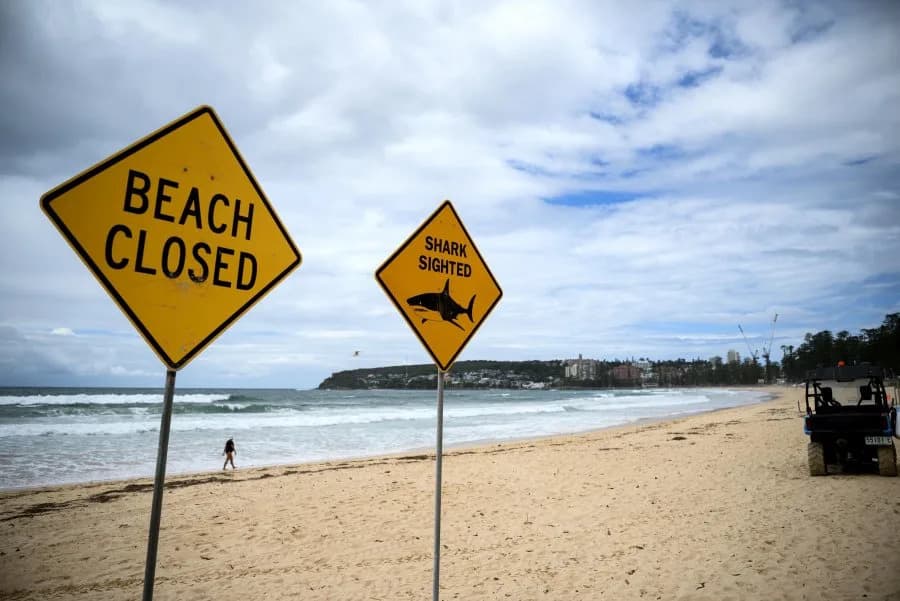
On June 13 at Coogee Beach, 25-year-old paddleboarder Charlie Verco paddled toward a shark sighting and helped rescue 35-year-old Leah Stewart after she was attacked. Verco reached Stewart on his 18-foot board and paddled her toward shore, where bystanders and lifeguards aided her removal. Stewart was hospitalised in critical condition and has had multiple surgeries. Experts say increased beach use raises encounter risk and recommend precautions such as avoiding fishing areas, steering clear of large fish schools, and paddling with a companion.
Sydney Paddleboarder Rushed Toward Shark Sighting and Helped Rescue Critically Injured Woman
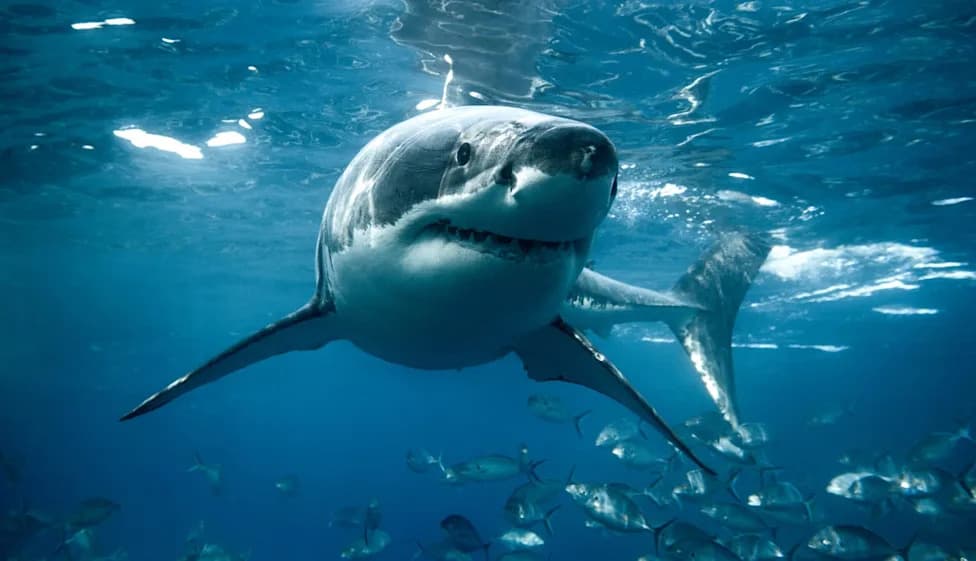
Photo Credit: iStock
On June 13 at Coogee Beach in Sydney, 25-year-old competitive paddleboarder Charlie Verco paddled toward a reported shark sighting and ended up at the center of a violent attack — ultimately helping bring a badly injured woman to shore.
What Happened
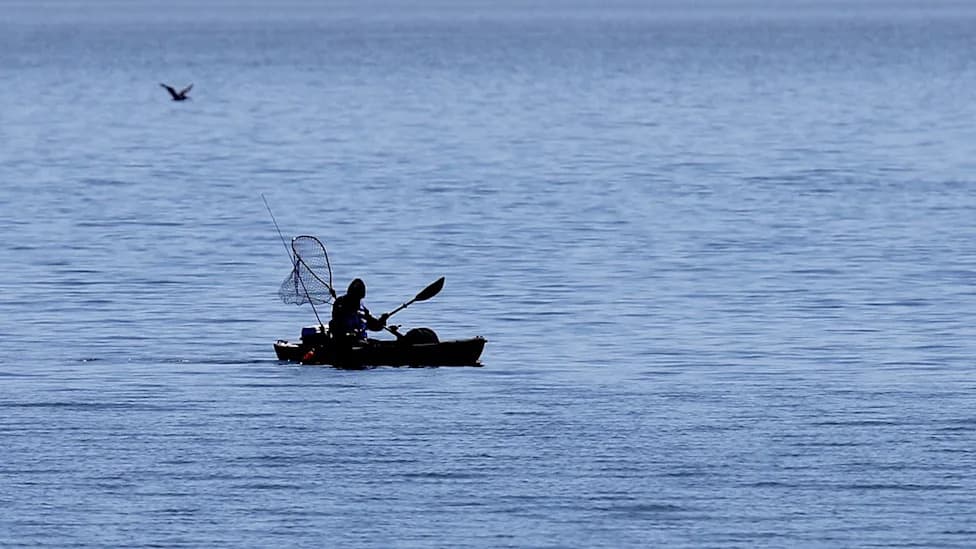
Verco was training on an 18-foot board for the Moloka'i 2 O'ahu Paddleboard World Championship when people on the beach began shouting "shark." He told the Straight Talk With Mark Bouris podcast that his first instinct was to help swimmers to safety before the situation escalated: "I thought that I was going to go over there, the shark was going to realise they're not food, I would get them on my board, there'd be a little bit of panic and everyone would get to the beach just fine."
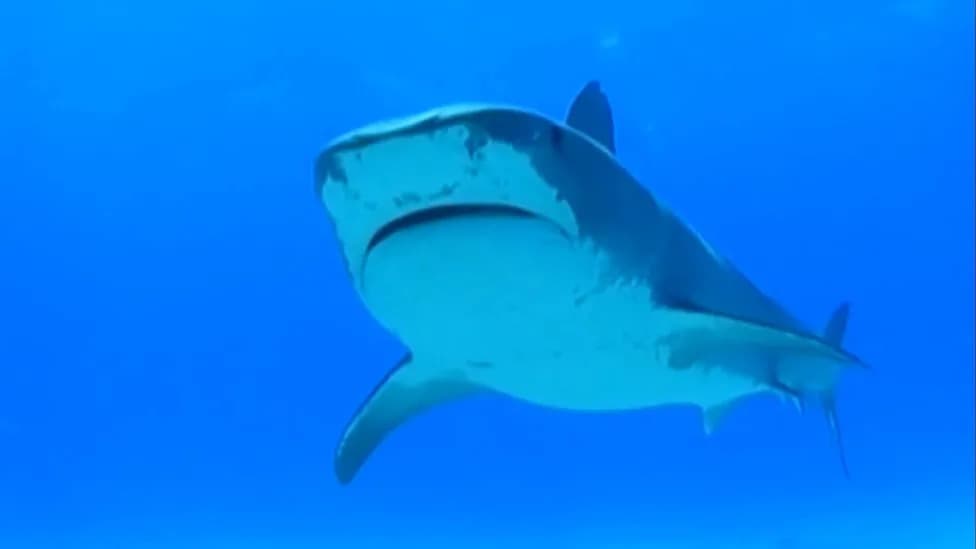
Instead, the encounter turned far more serious. In an interview with CBS News, Verco said, "I saw the shark come out of the water, and just the size of it shocked me." A Coogee Beach lifeguard estimated the animal to be about 11 feet long.
The Rescue
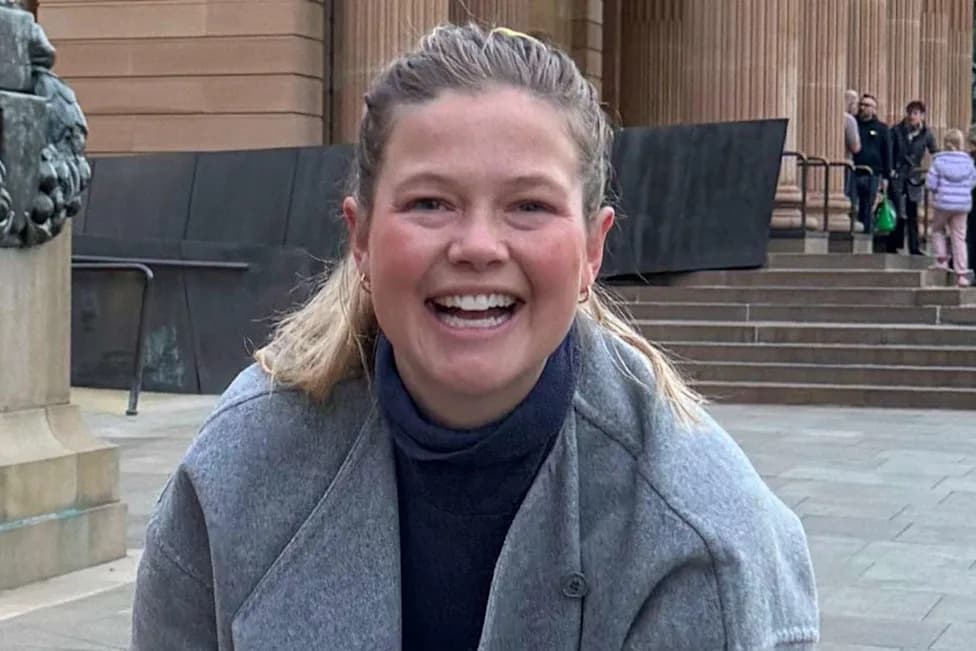
The injured swimmer was later identified as 35-year-old Leah Stewart. After she resurfaced following being dragged underwater, Verco reached her, instructed her to grab his board, and paddled toward shore. Bystanders and lifeguards helped pull her from the water. Emergency responders applied tourniquets before Stewart was transported to hospital in critical condition; she has since undergone multiple surgeries and remains in recovery.
Context And Safety Advice
Data from the University of Florida's International Shark Attack File indicates that annual attack totals are strongly influenced by how many people are in the water. In other words, increased beach use and recreational activity can raise the chances of encounters even if shark behavior has not changed significantly.
Experts emphasize that attacks on paddlers and kayakers are uncommon but recommend practical precautions: avoid areas with visible blood or active commercial fishing, steer clear of large schools of fish, minimise vigorous splashing, and paddle or swim with a companion to improve visibility and speed emergency response.
Verco credited his surf lifesaving background and the junior program Nippers with teaching him how to assess risks and remain calm in the water. He reflected: "All I want to do is go to the beach, but I felt compelled and felt like I had a bit of responsibility." He also cautioned, "You also can't help anyone else until you are confident enough in the water to look after yourself."
Support
Stewart's family has launched a GoFundMe to help cover mounting medical expenses as she continues her long recovery.
Sources: Paddling Mag, CBS News, Straight Talk With Mark Bouris podcast, University of Florida International Shark Attack File.
Help us improve.