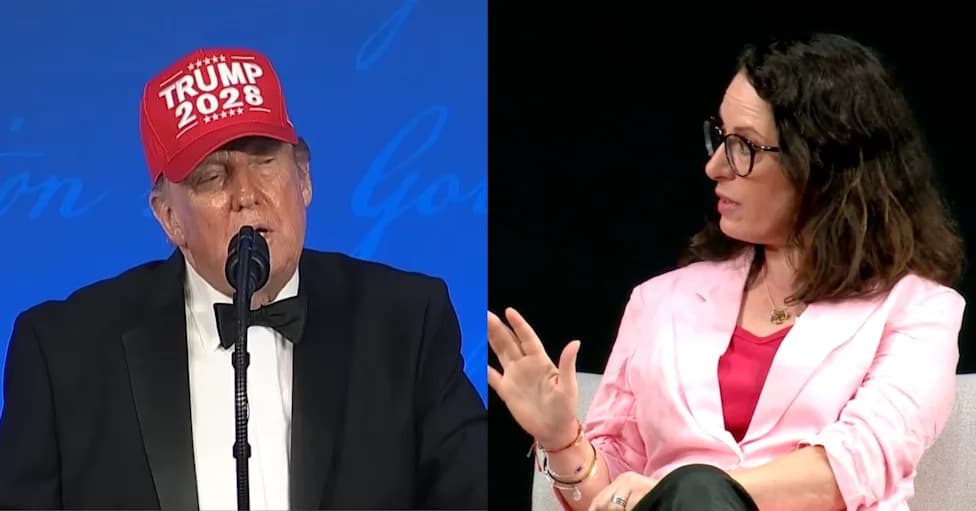
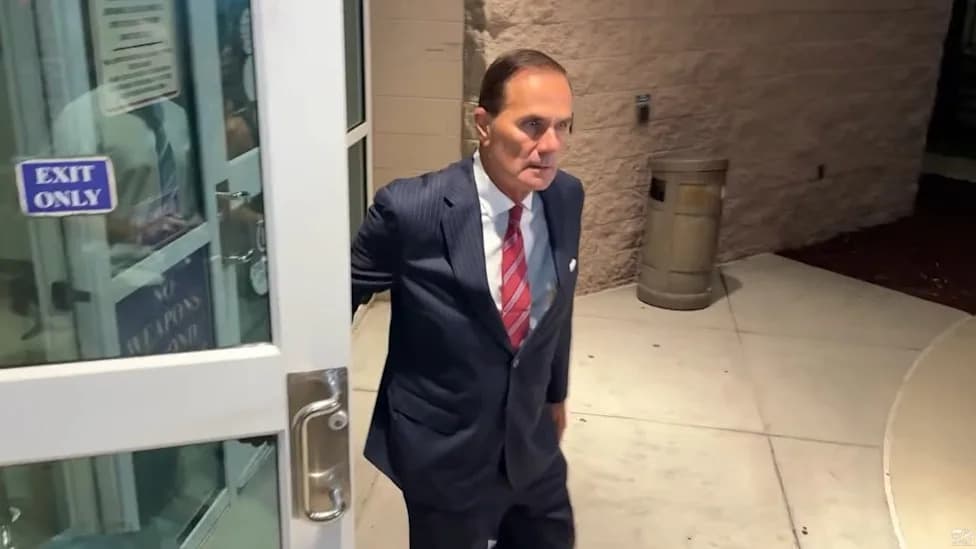
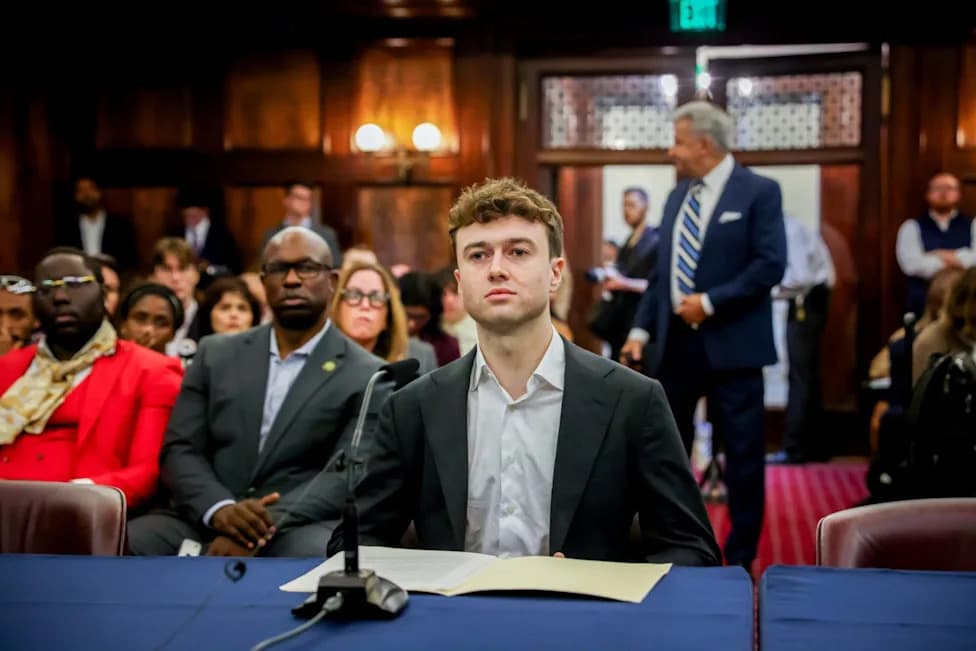
Susie Wiles made a rare trip to Capitol Hill to press Senate Republicans to move stalled parts of President Trump's agenda, including the SAVE America Act, a third reconciliation package and key nominations. Meetings with leaders such as John Thune and John Barrasso were described as candid but yielded no immediate breakthrough. The SAVE effort faces a procedural barrier from the Senate parliamentarian, and Todd Blanche's attorney general nomination is paused pending further negotiation.
Wiles Heads to Capitol Hill to Break Senate Logjam Threatening Trump's Agenda
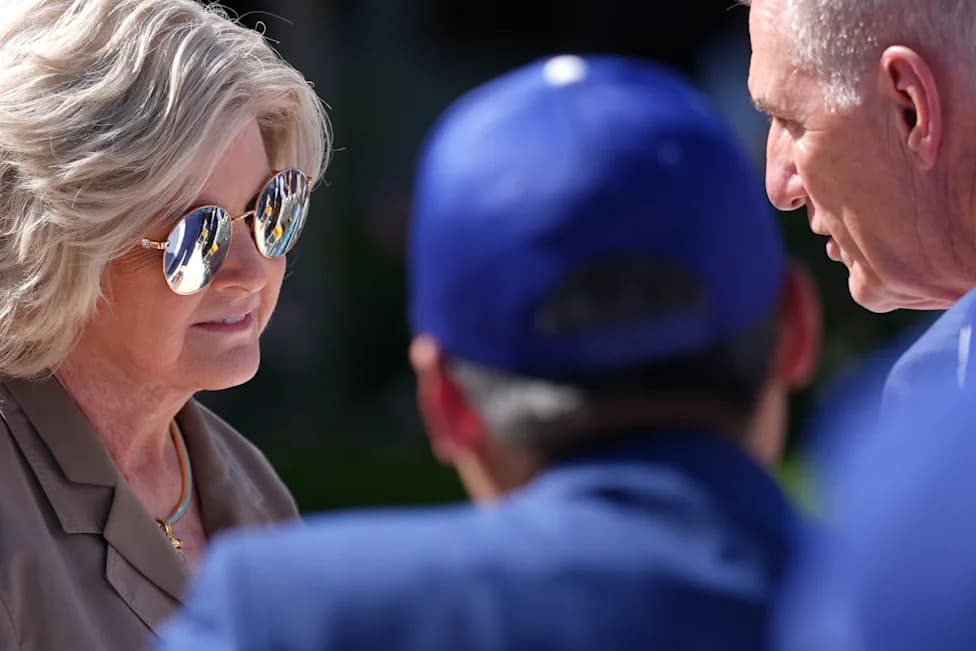
Wiles tries to break the logjam
Susie Wiles, President Donald Trump's chief of staff, traveled to Capitol Hill Wednesday in a rare bid to break a Senate logjam that has stalled several high-priority items for the administration.
GOP senators have yet to advance the president's signature elections bill, the SAVE America Act, and they have preserved the Senate filibuster. Lawmakers also have not moved a third budget/reconciliation package, and two Republican senators are holding up the confirmation of the president's choice for attorney general.
To address those blockages, Wiles held private meetings with senior Senate Republicans, including Senate Majority Leader John Thune and GOP Whip John Barrasso, joining White House legislative affairs director James Braid in an effort to restart momentum before the August recess and ahead of the midterm elections.
"This was her attempt to say to Thune and [Senate GOP Whip John] Barrasso [that] 'A lot is stalled in the Senate. SAVE/reconciliation.. nominations.. what can we do?'"— a person familiar with the private discussion, who spoke on the condition of anonymity.
Another source described the conversations as "candid," but said no breakthrough was imminent. "Thune basically said: I want to move the president's agenda whenever it has the votes," one attendee said.
Thune has publicly maintained he does not have the votes to eliminate the filibuster or to pass the partisan SAVE America Act. Several participants confirmed the meeting focused on reconciliation, the SAVE bill and the filibuster, though one source said nominees were not the primary topic and pointed to the Senate's long history of confirming the president's picks.
Sen. John Cornyn (R-Texas), one of the senators slowing the attorney general nomination, said he was told the meeting centered on reconciliation, not the attorney general pick. The nomination of Todd Blanche remained stalled; Senate Judiciary Chair Chuck Grassley postponed consideration, and the White House announced on Thursday that Blanche's nomination would be delayed until next year.
The House recently approved a budget framework to begin drafting a third reconciliation bill that includes $10 billion intended to incentivize states to adopt parts of the SAVE America Act — a measure the White House has identified as its top domestic priority. That route faces a major procedural obstacle: Senate Parliamentarian Elizabeth MacDonough previously ruled the SAVE Act does not meet the rules for inclusion in reconciliation, which would otherwise allow passage with a simple majority rather than the 60 votes normally required.
Why This Matters
Wiles' Hill visit reflects the White House's urgency to unblock multiple tracks at once: substantive policy (the SAVE push and reconciliation funding), personnel (high-level nominations), and party cohesion ahead of competitive midterms. Allies describe Wiles as a pragmatic strategist who prioritizes achievable wins.
"You can't show how high the importance of this issue is to the president other than bringing in Susie,"said a former Trump adviser. "If there is an ability to land it, the president is certainly putting pressure on Susie to land it. It's still an uphill battle."
Wiles left Thune's office alongside James Braid and declined to answer questions as she departed. She also met separately with Barrasso. A White House official said, "Members of the Administration regularly meet with Congress to advance President Trump's agenda and key legislative priorities." Offices for Wiles, Thune and Barrasso declined to provide additional comment.
The outcome of these discussions is unlikely to be clear until next week as the Senate attempts to finish an ambitious agenda before its August recess. For now, the SAVE Act faces both substantive opposition and procedural hurdles, and the attorney general nomination remains in limbo.
Help us improve.