Al-Haq's year-later investigation concludes that Israeli settler Yinon Levi fired the shot that killed 31-year-old activist Awdah Hathaleen on 28 July 2025 in Umm al-Khair. Forensic comparison linked the chest wound to a nine-millimetre handgun matching Levi's, while witnesses reported settlers had entered private land during land-levelling for an alleged illegal outpost. The report finds no evidence of an imminent threat to justify self-defence, documents obstruction of emergency care, and frames the killing as part of a wider pattern of settler violence and displacement in the West Bank.
Investigation Finds Israeli Settler Fired Fatal Shot That Killed Palestinian Activist — Justice Still Elusive
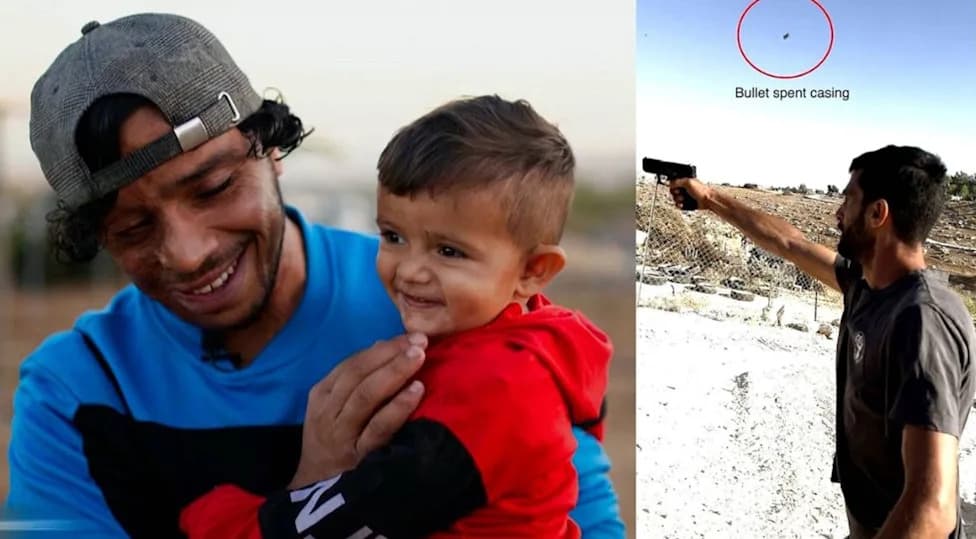
New investigation shows how an Israeli settler escaped justice
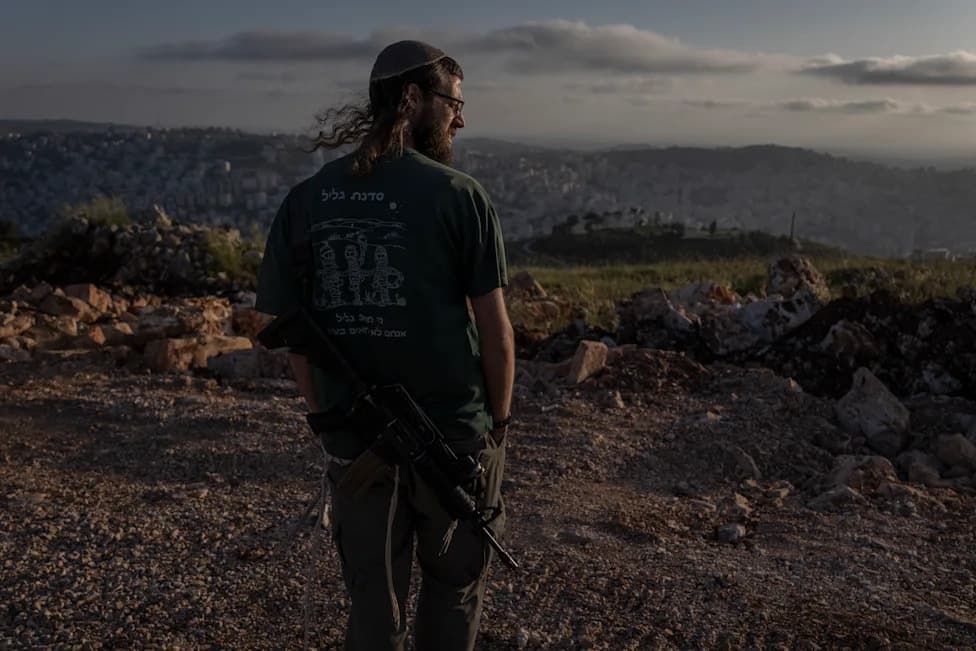
Palestinian activist and father of three Awdah Hathaleen pulled out his mobile phone and began filming on 28 July 2025, as an armed settler entered the village of Umm al-Khair in Masafer Yatta in the southern occupied West Bank. The 31-year-old — who had worked on the Oscar-winning documentary "No Other Land" — unknowingly recorded what would become his final moments.
Findings From Al-Haq Investigation
Human-rights group Al-Haq reviewed dozens of videos and photographs, cross-checked eyewitness testimony and conducted geospatial and open-source analysis to reconstruct the events. Released on the first anniversary of Hathaleen's death, the report concludes that Israeli settler Yinon Levi fired the shot that killed him. Despite this finding, Levi has faced limited legal consequences.
Forensics and Court Claims: Al-Haq compared the autopsy with the handgun Levi was carrying. The autopsy documented a single chest wound that caused fatal bleeding; the one-centimetre (0.4-inch) defect is consistent with a nine-millimetre handgun, the same calibre as Levi's weapon. In court Levi denied a link between his shot and Hathaleen's death and claimed self-defence, but Al-Haq says there was no evidence of an imminent threat and that none of the Palestinians at the scene were armed.
Sequence of Events
On the day of the attack, Levi was among Israelis who brought excavators to carry out land-levelling allegedly intended to establish a new illegal settlement outpost. Witnesses say the workers deviated from the planned route and entered privately owned land belonging to Umm al-Khair residents. Minutes earlier, an excavator’s hydraulic hammer — operated by a settler identified as Rony Avraham — struck Hathaleen’s cousin, Ahmad Hathaleen, in the head. Witnesses also told investigators that Levi struck several residents, including two women, before firing.
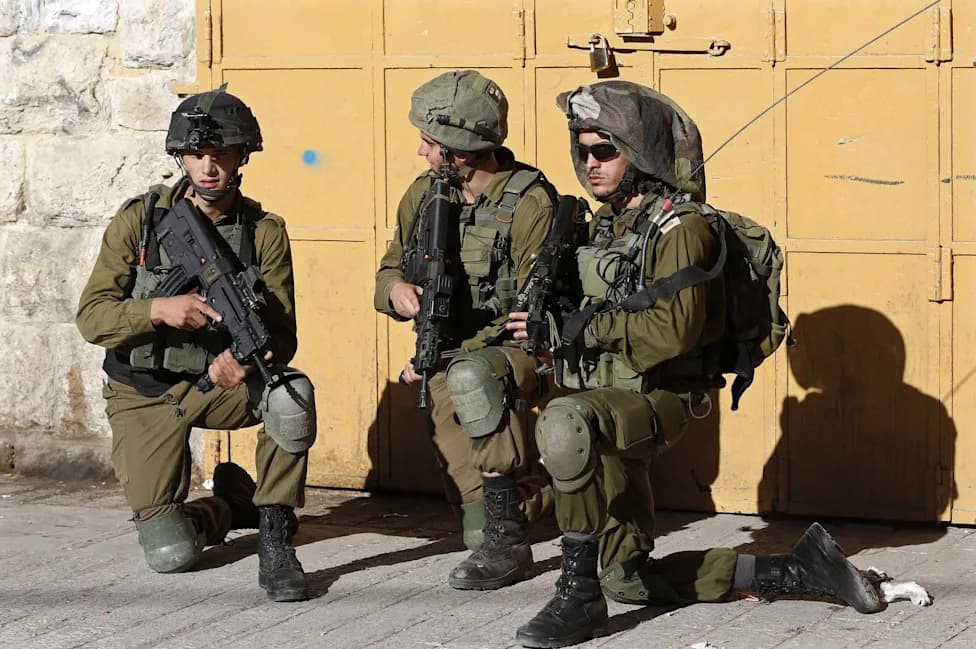
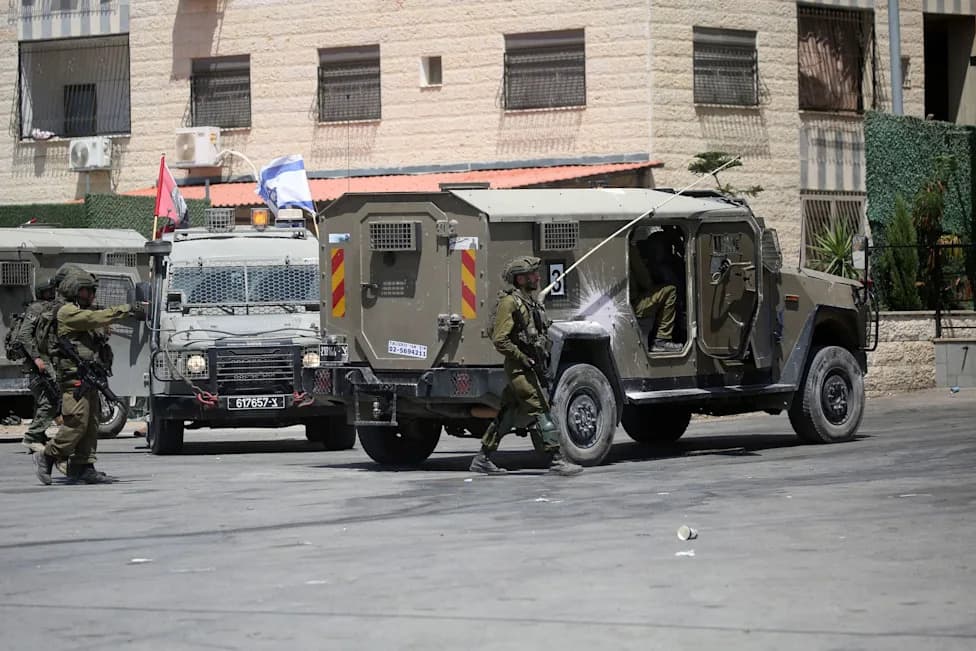
Footage shows Levi standing alongside Israeli forces at the scene and indicating Palestinians and international activists who were later detained. After international attention and brief detention, an Israeli court released Levi and placed him under house arrest for three days. Al-Haq interprets the rapid release and the presence of security forces as evidence of "operational alignment" that afforded protection to settlers and obstructed law enforcement measures against them.
Obstruction and Aftermath
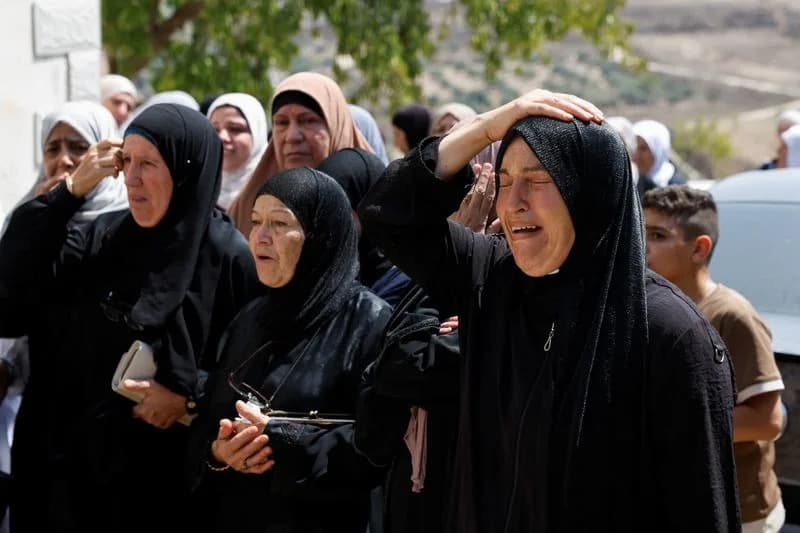
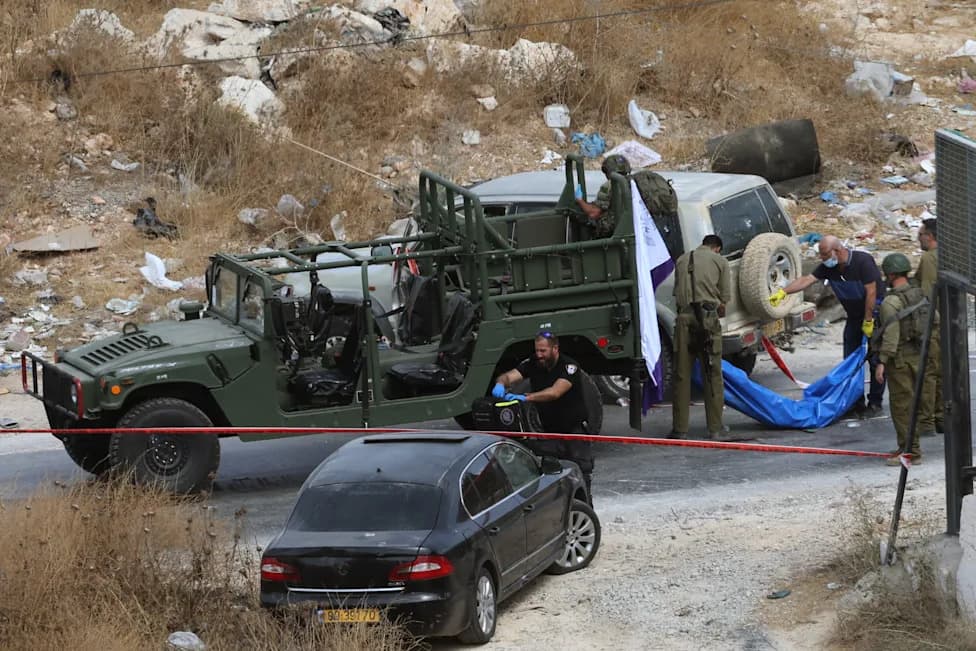
Investigators found that an ambulance trying to reach Hathaleen was blocked by settlers while Israeli soldiers and police did not intervene. Hathaleen’s body was withheld from his family for 10 days; women in the village launched a hunger strike demanding his return for burial. The report also documents that Levi had a history of harassing Masafer Yatta residents before and after the killing.
Report Title: "The Killing of Awdah Hathaleen: Beyond a Settler Crime"
The report characterises the killing not as an isolated incident but as part of a broader pattern of repeated violent and criminal conduct by settlers, which Al-Haq says is enabled by state policies and practices. It links Levi to Meitarim Farm, an illegal outpost in the Southern Hebron Hills, and to Hashomer Yosh, a group that provides volunteers and labour to settlement outposts.
Broader Context
United Nations data cited in the report indicate that attacks by settlers have increased in recent years. Al-Haq argues such violence contributes to an environment that displaces Palestinian communities and facilitates the expansion of illegal settlements across the West Bank.
Documenting Violations: For Palestinians in the area, mobile phones have become a vital tool for recording abuses and seeking accountability — a pursuit that, according to the report, has so far produced limited legal redress.
Help us improve.