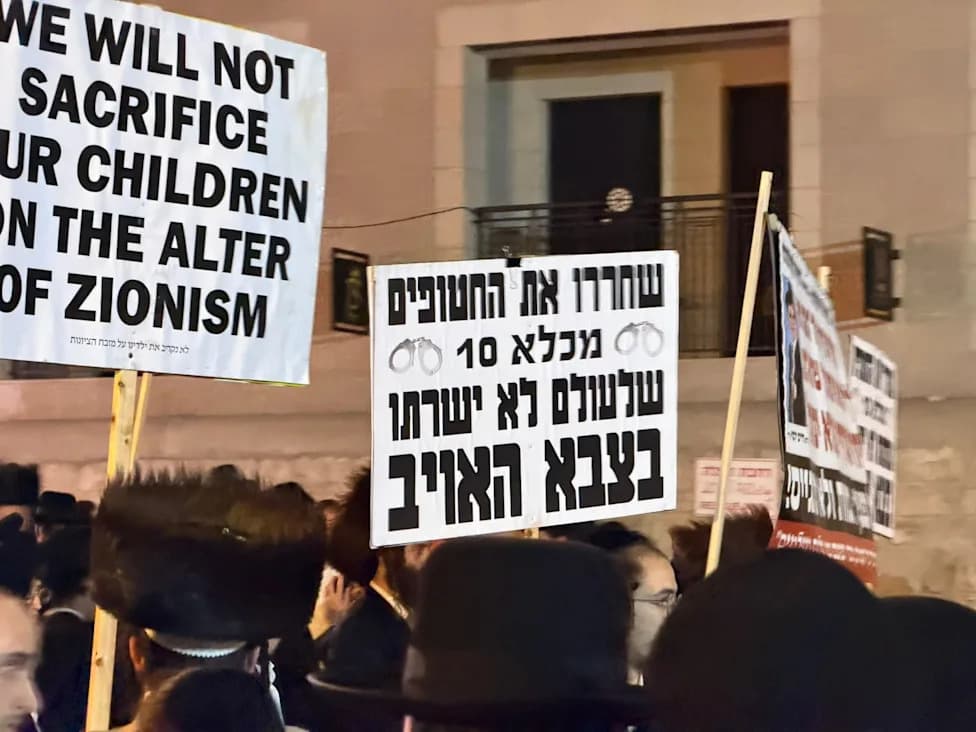
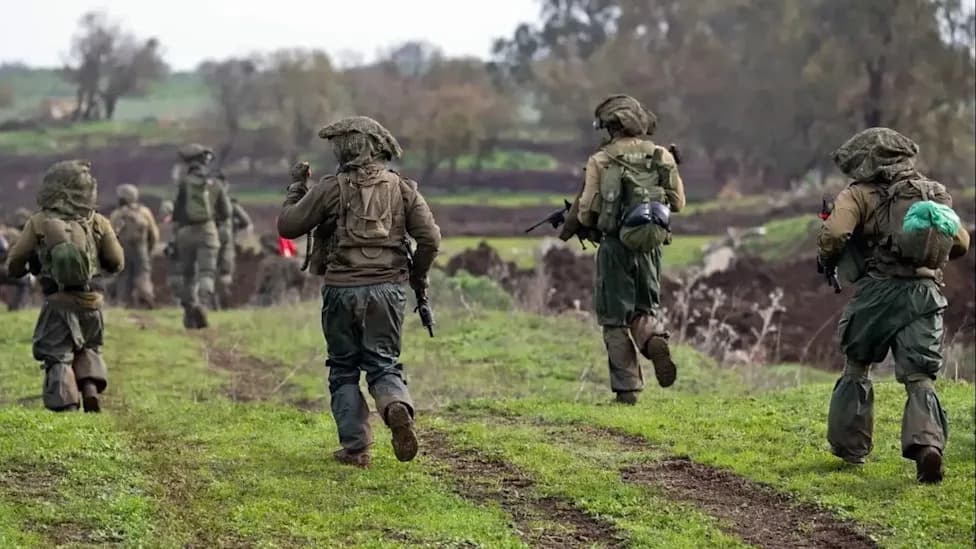
The High Court of Justice kept an interim injunction Tuesday halting a law that would have limited enforcement against eligible haredi men who fail to report for military service. Justice Ofer Grosskopf emphasized precedent and equal-treatment concerns after five petitions were filed. The Attorney-General called the law a "group immunity mechanism," while Knesset lawyers defended the measure on procedural grounds. A final ruling is expected soon.
Israel's High Court Halts Law Shielding Haredi Draft Evaders; Final Ruling Expected
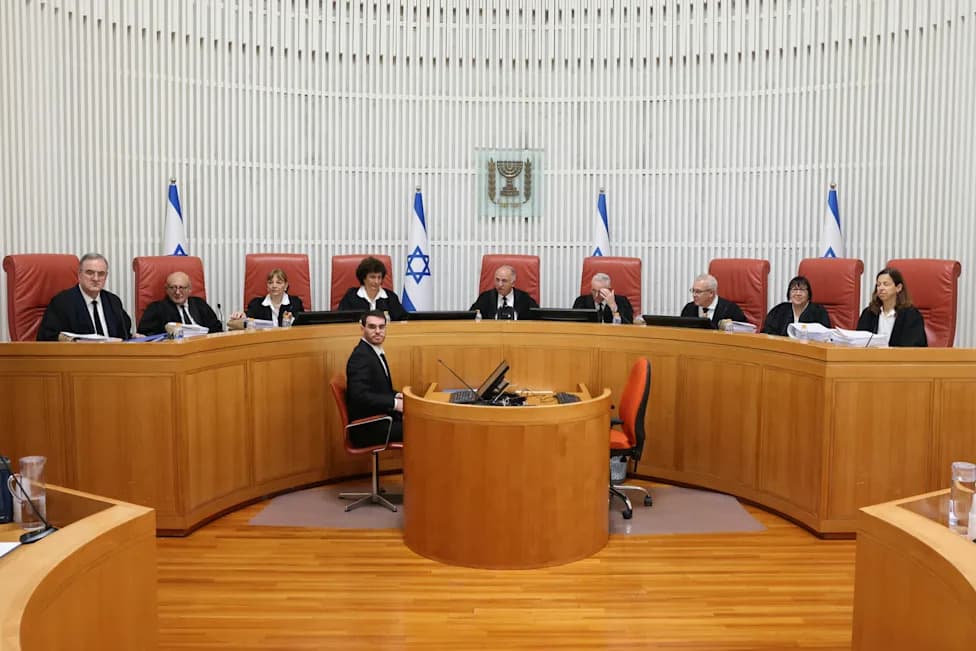
The Supreme Court convenes to maintain the freeze on the law limiting enforcement against haredi (ultra-Orthodox) draft dodgers, July 28, 2026. (photo credit: MARC ISRAEL SELLEM)
The High Court of Justice on Tuesday maintained an interim suspension of a newly passed law that would limit enforcement measures against eligible haredi (ultra-Orthodox) men who fail to report for military service. The nine-justice panel issued the order several hours after a same-day hearing and said a final judgment would be delivered soon.
What the Court Said
"After considering the parties' arguments, in writing and orally, an interim order is hereby issued," the court stated, pausing the law's activation until a further decision. The statute was passed on July 14 and frozen the next day by Justice Ofer Grosskopf after five petitions challenged its legality.
Key Legal Arguments
Justice Grosskopf flagged two central concerns in his brief ruling: the court's long-standing jurisprudence on the enlistment of yeshiva students and the appearance that the law grants unequal treatment to "only certain sections of the population."
Attorney-General Gali Baharav-Miara urged the court to annul the law, describing it as a "group immunity mechanism" that leaves one sector shielded from arrest, investigation and prosecution while other draft evaders remain liable for enforcement.
The Knesset's Legal Team focused its defense on procedural grounds. Representing the Knesset, attorney Yitzhak Bart argued that committees may amend bills so long as amendments do not introduce a "new subject." He told the court that the measure at issue effectively altered the bill's fundamental subject—shifting from legislation aimed at integrating yeshiva students into service to a statute that freezes enforcement against those who fail to report.
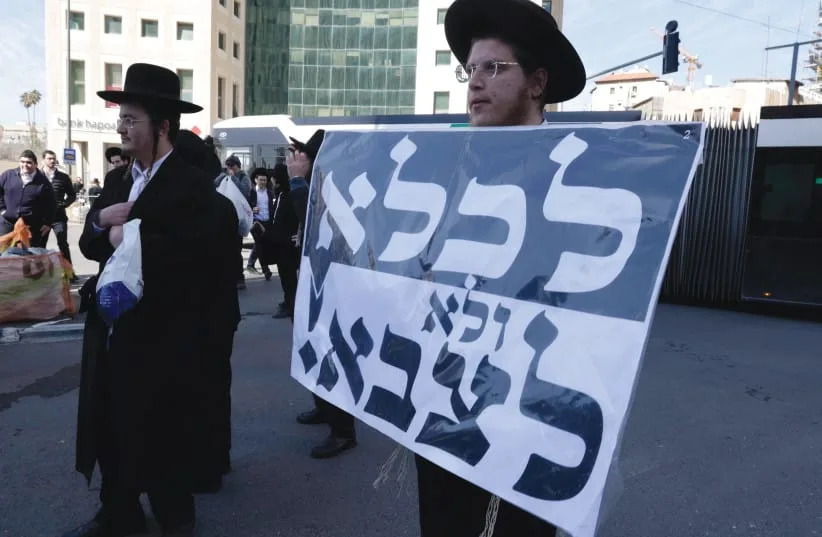
Haredi men are seen protesting the effort to draft ultra-Orthodox Israelis into the IDF. (credit: FLASH90)
Attorney Aner Hellman, for the Attorney-General's Office, supported stronger deference to legal advisers and warned that procedural norms are essential to preserving the rule of law: "These technical requirements are what make laws laws," he said.
Arguments From Petitioners And Respondents
Hagai Kalai of Israel Hofsheet, one of the petitioners, argued that the government ignored the criminal and enforcement aspects of the draft crisis and enacted a law intended to tie the hands of enforcement authorities.
The only oral defense of the statute came from attorney Natan Rosenblatt, representing the haredi group Emet L'Yaakov. Rosenblatt said a haredi man could not enlist because, in his view, "the Torah forbids him from doing so." Justice David Mintz responded with visible skepticism: "I simply cannot believe what I am hearing," and later noted, "Not all the great rabbis of Israel — you are speaking in sectoral terms."
Political Reactions
The government filed a short two-page statement saying it declined to hire private counsel because the case's outcome was "known in advance," and accused the court of overstepping the separation of powers. Petitioners and opposition leaders welcomed the court's interim pause.
Former prime minister Naftali Bennett pledged that, if elected, his next government would repeal laws critics say encourage draft evasion and said those who do not serve should not receive state benefits. Yisrael Beytenu leader Avigdor Liberman, who also petitioned the court, said: "No one can be above the law, and certainly not those who evade military service."
What Happens Next
The court said a full judgment will be issued soon. The interim suspension keeps enforcement measures on hold while judges consider constitutional precedent, equal-treatment concerns and procedural objections to how the law was enacted.
Photo: Haredi men protesting efforts to conscript ultra-Orthodox Israelis into the IDF. (credit: FLASH90)
Help us improve.