Daniela Grudsky Ekstein, Israel's chargé d'affaires in London, narrowly avoided a foiled knife attack at the embassy in April 2025 and says the episode exemplifies a growing security and cultural problem for Jewish people in Britain. She argues that, despite official safeguards, anti‑Semitic rhetoric and violent incidents have increased and that some media and public protests have normalised hostile slogans. After ten months as acting ambassador she is returning to Israel and urges the UK to confront incitement and restore constructive bilateral engagement.
Israel’s London Envoy: 'I'll Feel Safer Back Home' — Narrow Escape and a Warning on Rising Anti‑Semitism in Britain
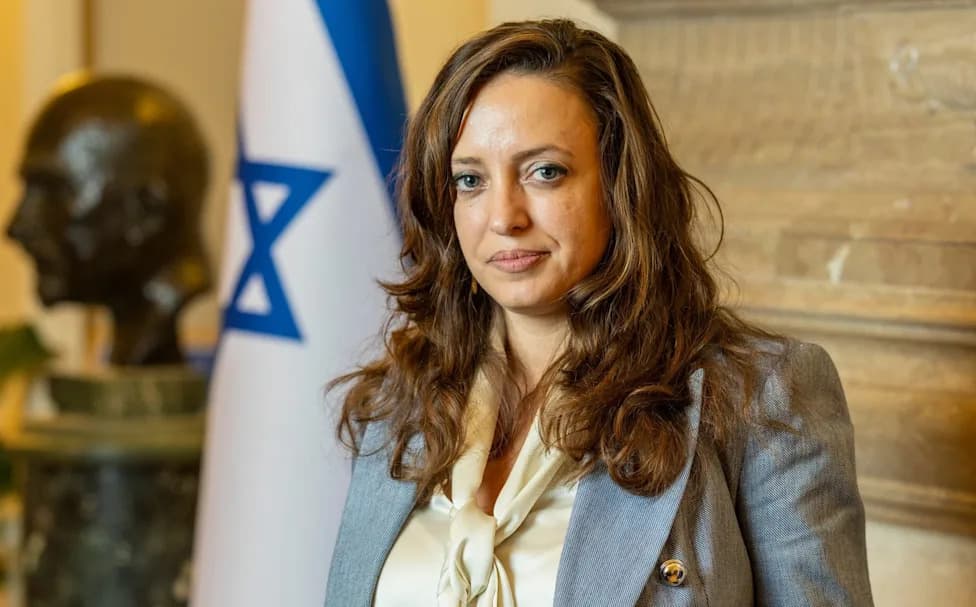
Daniela Grudsky Ekstein, photographed for The Telegraph at the Israeli embassy - Heathcliff O'Malley for The Telegraph
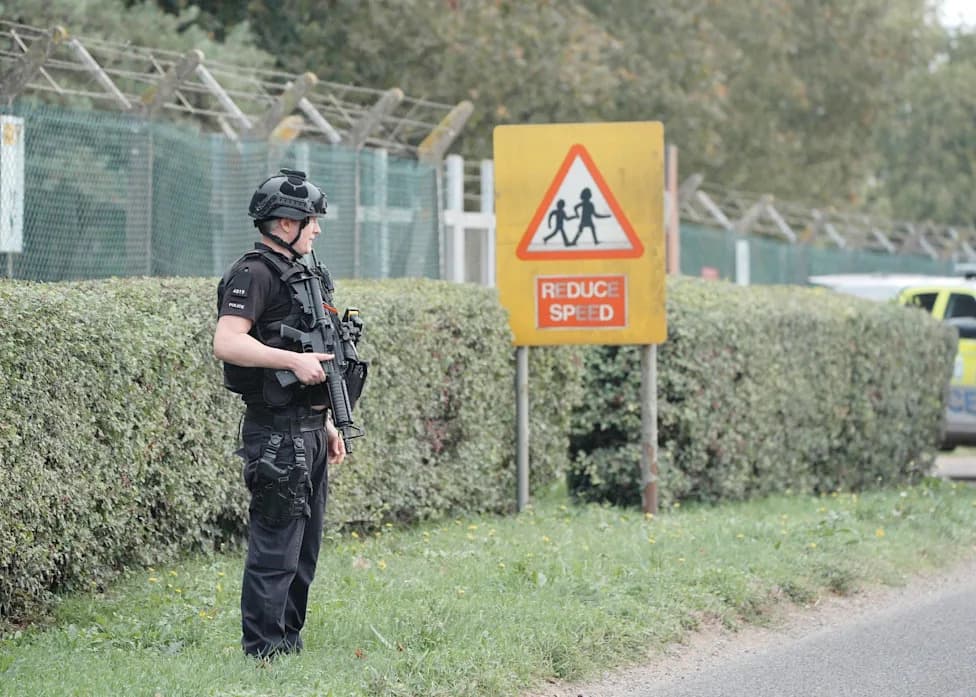
Daniela Grudsky Ekstein, the chargé d'affaires and acting head of Israel's embassy in London, narrowly escaped a knife attack at the embassy perimeter in April 2025. Speaking from the heavily fortified mission where the incident occurred, she describes passing within inches of the assailant as he climbed the fence. The attacker, identified as Abdullah Albadri, had recently arrived in the UK by small boat, told his mother he had 'chosen the path of martyrdom', and was later convicted at the Old Bailey of terror offences.
Close Call and Security Concerns
Grudsky Ekstein says the episode underlines a worrying gap in preventive security: while the embassy's physical defences act as a last line of protection, she wants threats detected and stopped long before anyone reaches the fence. She recalls being urged to leave the building at the end of the working day; within minutes an attacker began to scale the perimeter.
Rising Anti‑Semitism and Public Atmosphere
The envoy links the attack and other violent incidents to what she describes as a growing permissive environment for anti‑Semitic rhetoric in Britain. Despite official safeguards — a special envoy for post‑Holocaust issues, an independent adviser on anti‑Semitism, funding for Jewish security and early adoption of the IHRA definition of anti‑Semitism — Grudsky Ekstein says hostility toward Jews has increased. She cites recent violent episodes, including the Heaton Park synagogue murders and stabbings in Golders Green, as symptomatic of a deeper cultural problem.
"At the end of the day, anti‑Semitism is on the rise," she says. "I don't want the attacker to come climbing onto the fence and then being removed by security forces. I don't want him near my embassy."
Media, Protests and the October 7 Turning Point
Grudsky Ekstein blames some of the escalation on media coverage and public rallies. She says broadcast footage of anti‑Israel chants — including 'death to the IDF', which she first heard at Glastonbury 2025 — has helped normalize hostile slogans that now recur at protests. The immediate aftermath of the October 7, 2023 attacks, when the embassy became a focal point for large and sometimes violent demonstrations, marked for her a dramatic shift in public atmosphere. She recalls the day she learned a friend had been murdered in Kibbutz Kfar Aza and the subsequent demonstrations outside the London residence.
Bilateral Relations and Political Shifts
Grudsky Ekstein describes a 'golden era' in bilateral ties around 2021–2023, highlighted by the 2030 Roadmap that elevated UK‑Israel relations to a strategic partnership. She says the election of a Labour government in July 2024 brought a series of policy changes she views as unfriendly: restored funding to UNRWA, suspension of some arms licences, and upholding ICC arrest warrants for Israeli officials. In September 2025, she said, the government's unconditional recognition of a Palestinian state while hostages remained in Gaza further strained ties.
Personal Background and Why She Is Leaving
Born in Tashkent in 1984 and raised in Israel, Grudsky Ekstein combines a diplomatic career with family life; she is married with two daughters and divides her time between Jerusalem and Tel Aviv. After ten months serving as acting ambassador in London she is due to return to a new role at Israel's foreign ministry. She says she often feels personally safer in Israel — despite its security challenges — because of the confidence she places in domestic security agencies and in the proximate responsibilities of her own government.
What She Asks of Britain
Grudsky Ekstein calls for cultural change to reverse what she views as a tide of demonisation. She urges the UK to confront incitement and to consider the consequences of normalising hostile rhetoric. In parting she asks British interlocutors to 'put yourself in the shoes of Israel' and to remember that Israel is a democracy that also needs constructive engagement.
Context and Balance: The envoy's observations reflect her personal experience and perspective as an Israeli diplomat in London. Her comments about media, protests and government policy represent her assessment of causes and consequences; readers should consider them alongside other viewpoints and official UK responses when evaluating the broader debate about free speech, protest and public safety.
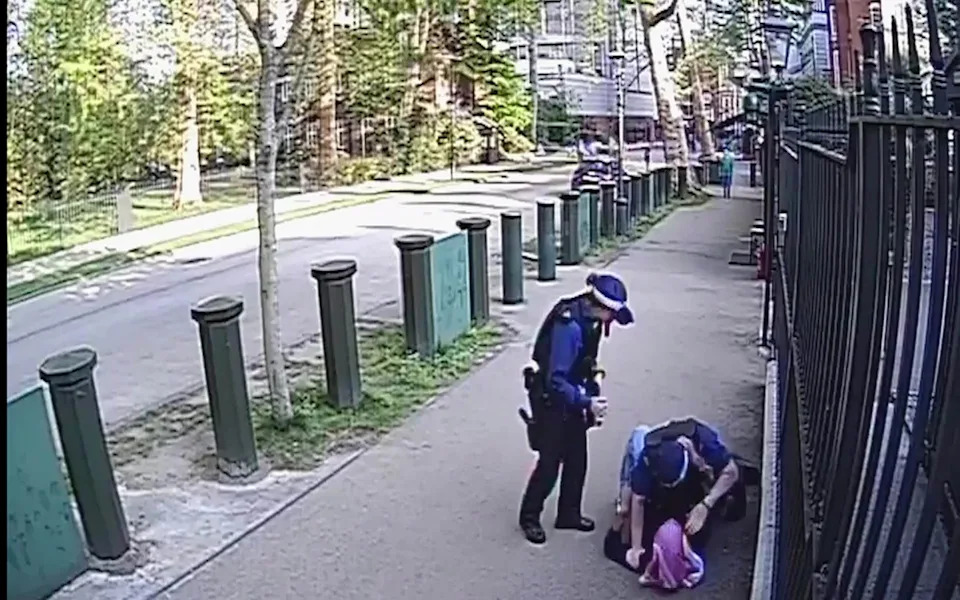
Abdullah Albadri being detained outside the Israeli embassy after his terror attack was foiled in April 2025 - Metropolitan Police

Grudsky Ekstein brushed past Albadri (pictured) as she left the embassy – he was found guilty of terror offences - Metropolitan Police

Two people died in a terror attack at Heaton Park synagogue in Manchester in 2025 - Peter Byrne

'I wasn't aware of the Death to the IDF chant before then': Bob Vylan performing at Glastonbury in front of a Palestinian flag

Grudsky Ekstein as a young girl; she was born in Tashkent, in Soviet-controlled Uzbekistan
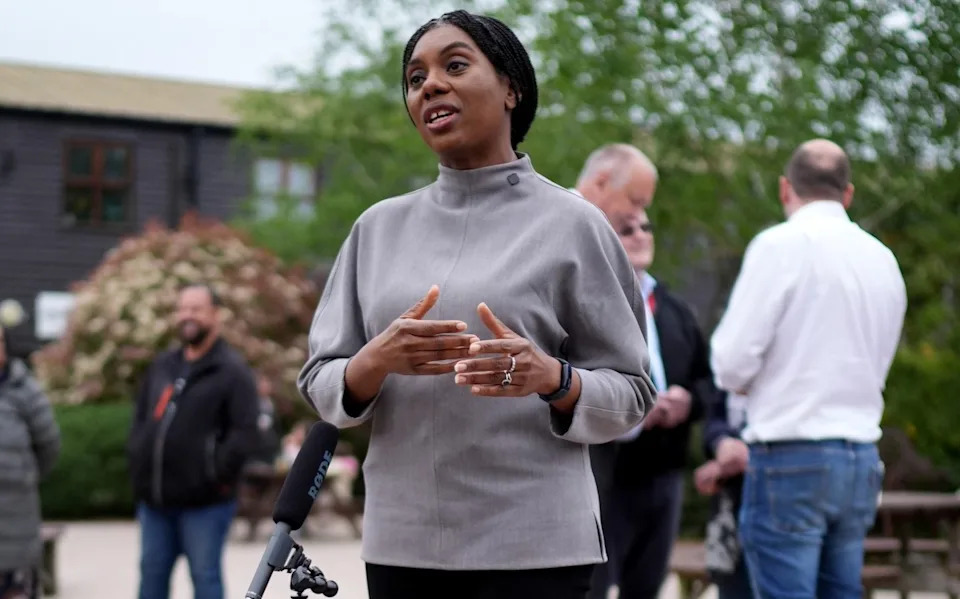
'I am very impressed by her': Grudsky Ekstein praises Tory leader Kemi Badenoch's positive stance on Israel - Gareth Fuller/PA
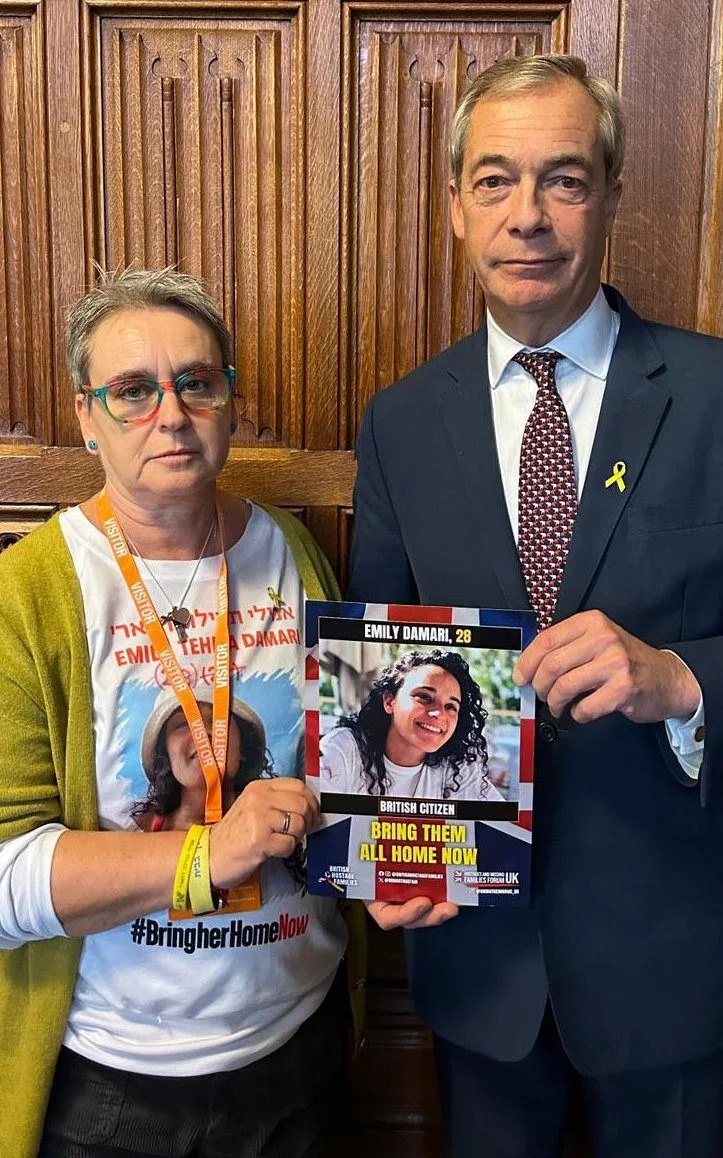
Nigel Farage with the mother of British-Israeli hostage Emily Damari, whose release he campaigned for

The Kibbutz Kfar Aza after the Hamas massacre on October 7 2023 - The Washington Post
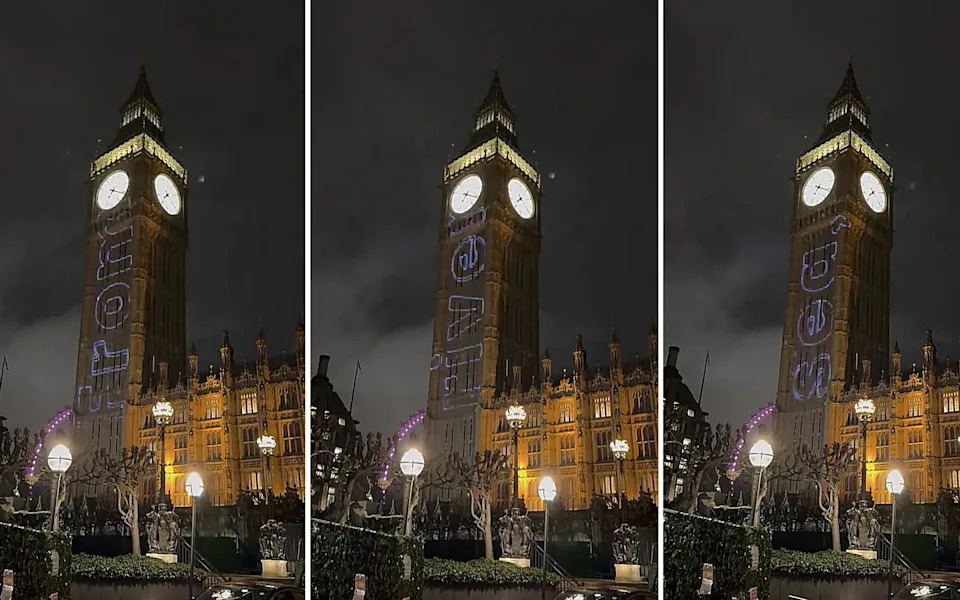
'It was then we realised the problem we have': The slogan 'From the river to the sea' was projected onto the Houses of Parliament in 2024 - Bella Wallersteiner
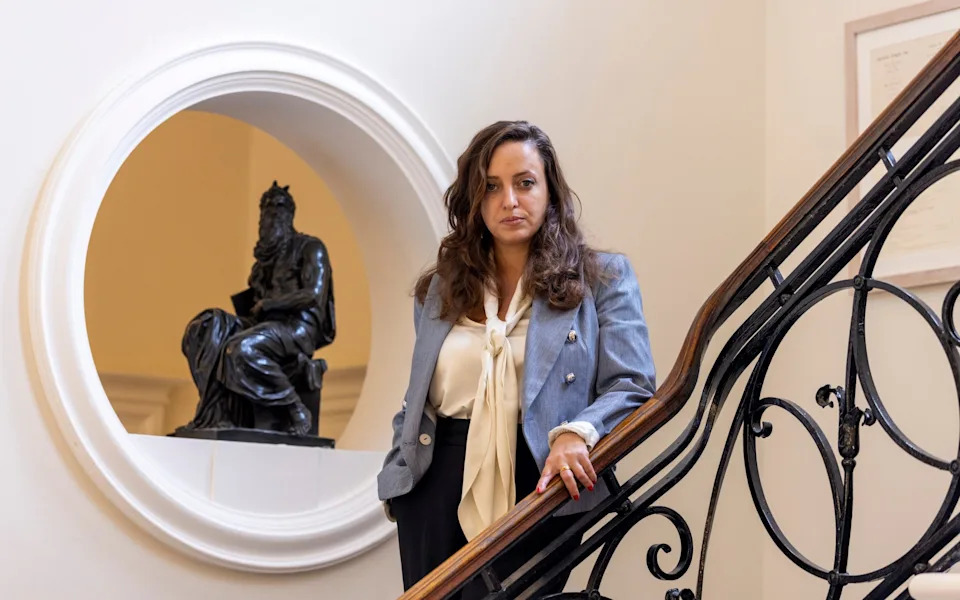
'There is a very deep problem [with anti-Semitism] in Britain,' says Grudsky Ekstein - Heathcliff O'Malley for The Telegraph
Help us improve.