Newly disclosed private Slack messages from several authors of the March 2020 Nature Medicine paper "The Proximal Origins of Covid" indicate some scientists privately acknowledged they could not rule out a laboratory origin for SARS-CoV-2. Key authors, including Prof. Kristian Andersen, expressed reduced confidence in the paper's categorical language and discussed concerns about Wuhan Institute of Virology research and a proposed furin cleavage site experiment. Estimates privately mentioned ranged from about 10–30% for a lab-origin scenario, prompting renewed calls for transparency and further investigation.
Private Slack Messages Show Proximal Origins Authors Couldn’t Fully Rule Out A Lab Leak
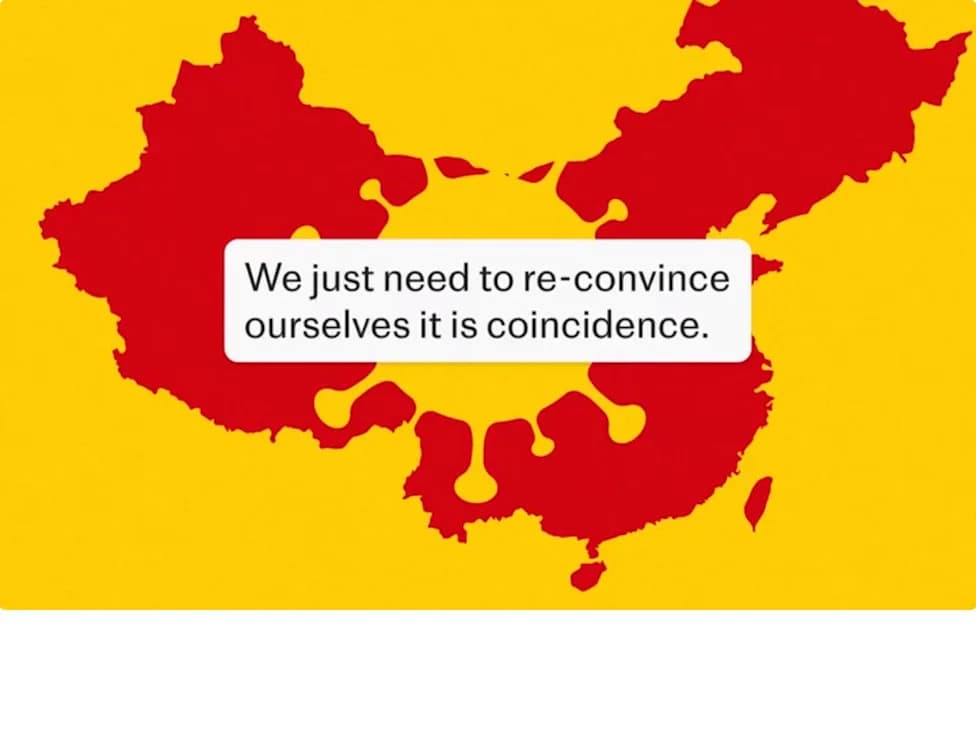
COVID TEXT LAB LEAK
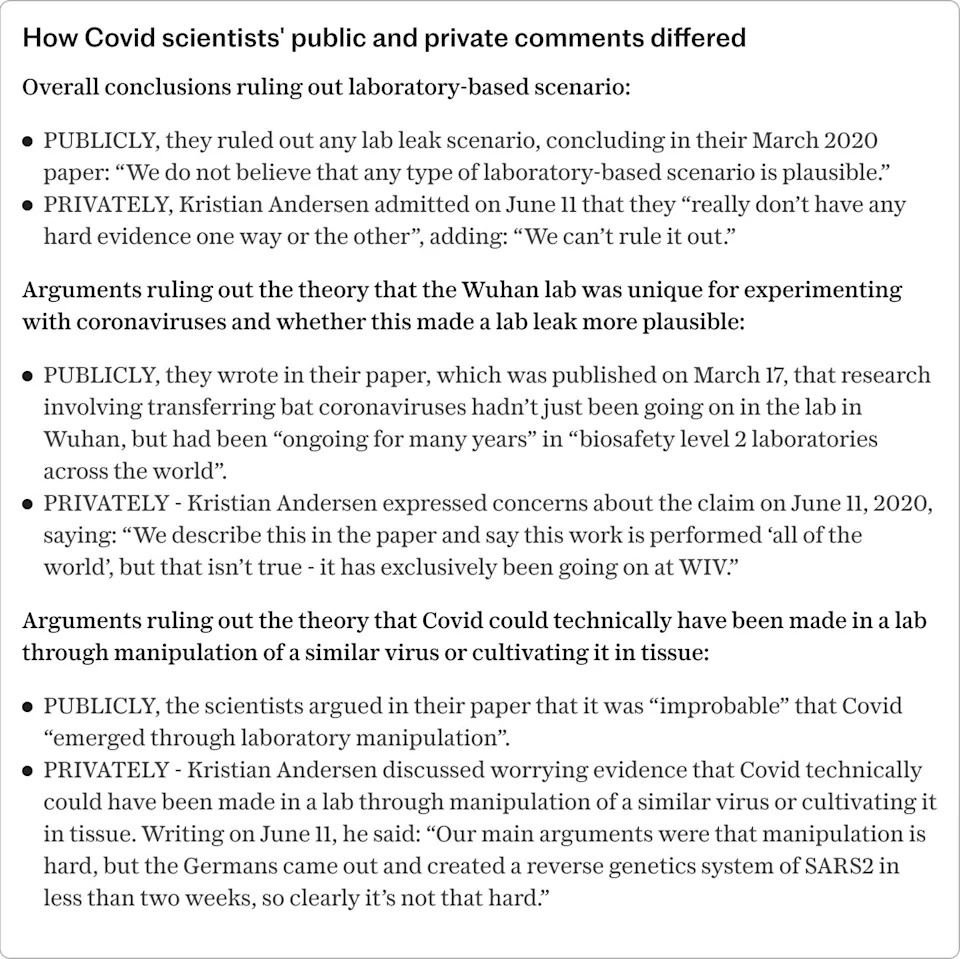
Newly released private messages from several co-authors of the March 2020 Nature Medicine article "The Proximal Origins of Covid" show that some scientists privately acknowledged they could not completely exclude a laboratory origin for SARS-CoV-2, despite the paper's public conclusion that a lab-based scenario was "not plausible." The messages were obtained and published by U.S. Senator Rand Paul.
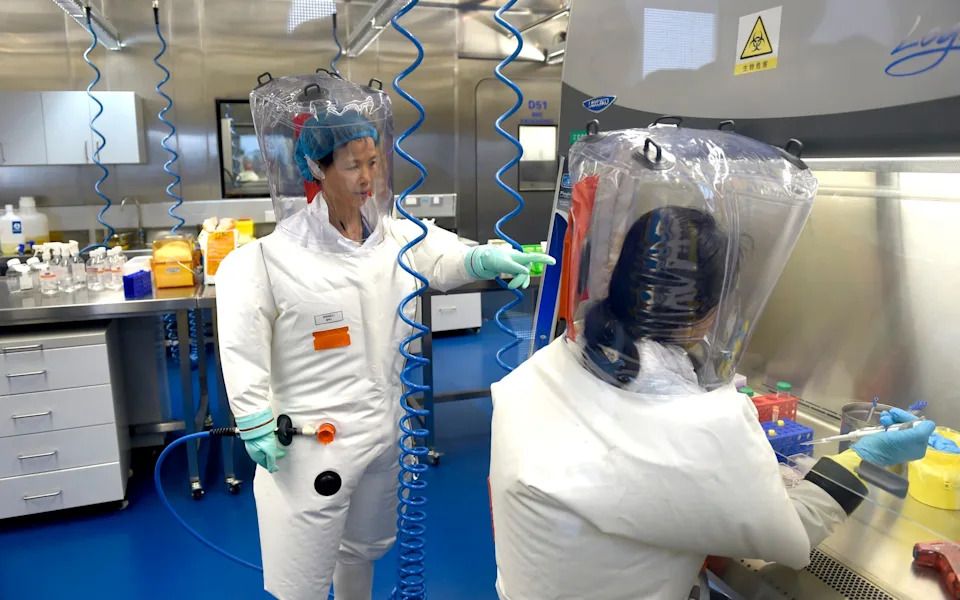
Virologists inside a laboratory in Wuhan, China, before the Covid-19 pandemic - Getty Images
What The Messages Reveal
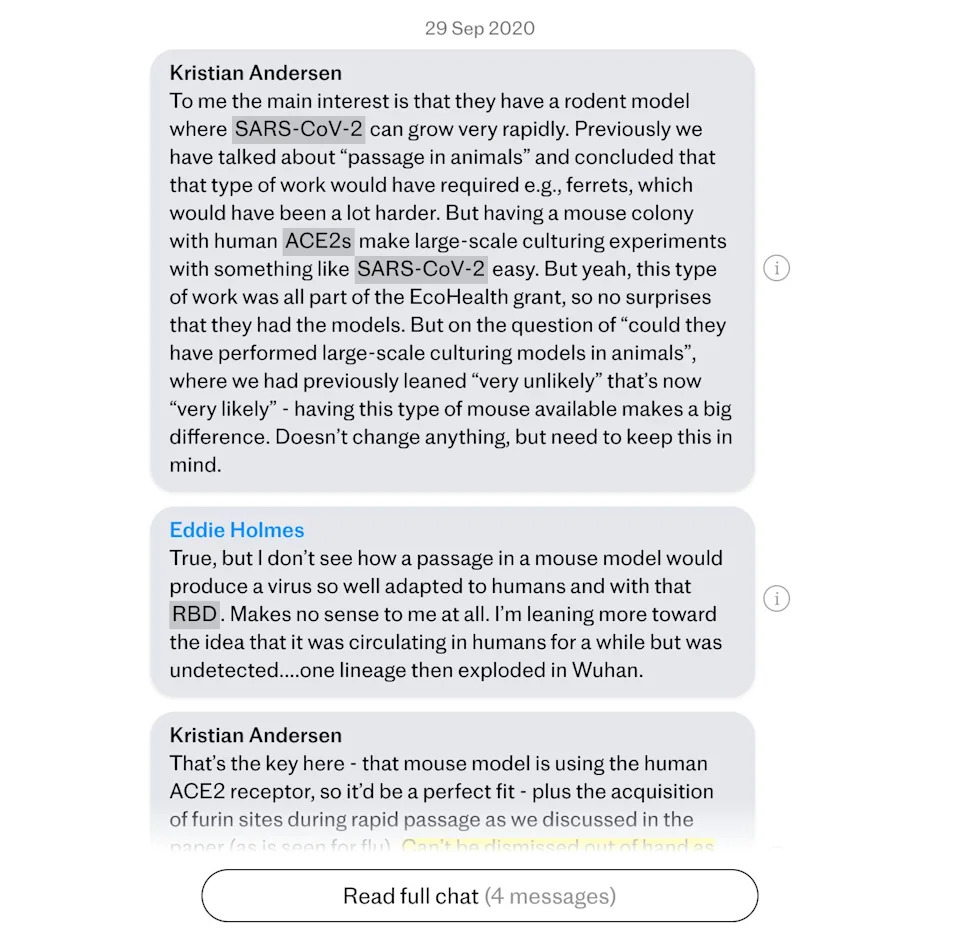
Three months after the Nature Medicine paper was published, Professor Kristian Andersen of the Scripps Research Institute wrote on Slack that investigators "really don't have any hard evidence one way or the other" and that, given subsequent information, "we also can't rule out that somebody actually put it in there." In private exchanges, Andersen described having "less confidence" in the paper's categorical language and estimated the probability of a lab-related origin at roughly 30%. Co-author Professor Eddie Holmes placed the chance at about 10–20%.
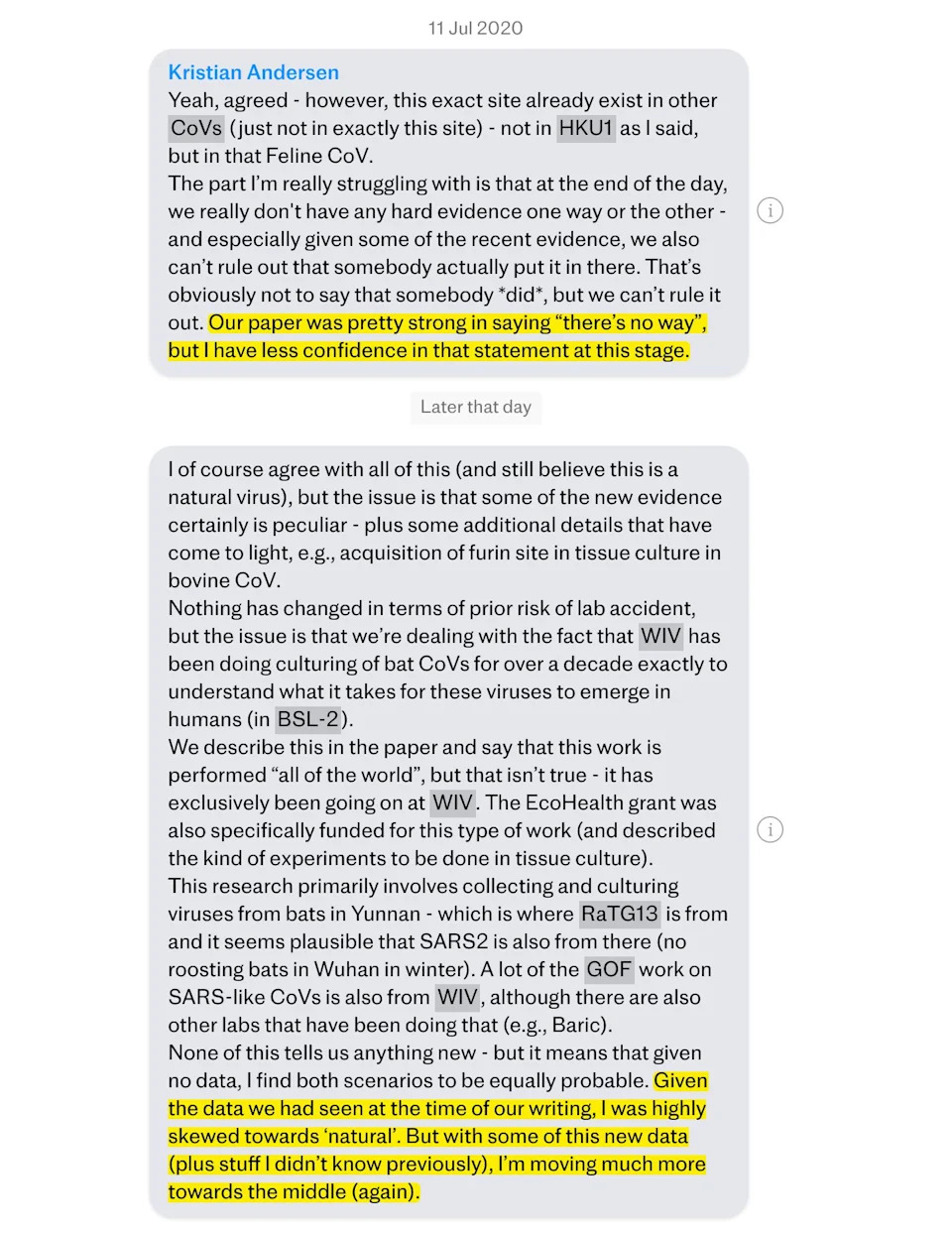
"At the end of the day, we really don't have any hard evidence one way or the other ... we also can't rule out that somebody actually put it in there." — Prof. Kristian Andersen (Slack message)
Authors debated whether certain public arguments — for example, that manipulation of bat coronaviruses was rare or that routine cell-culture evolution could not produce the observed features of SARS-CoV-2 — remained defensible in light of new information. Some private messages expressed concern about the Wuhan Institute of Virology (WIV), its biosafety practices, and planned experiments involving furin cleavage sites (FCS) in bat coronaviruses.
Timeline And Key Details
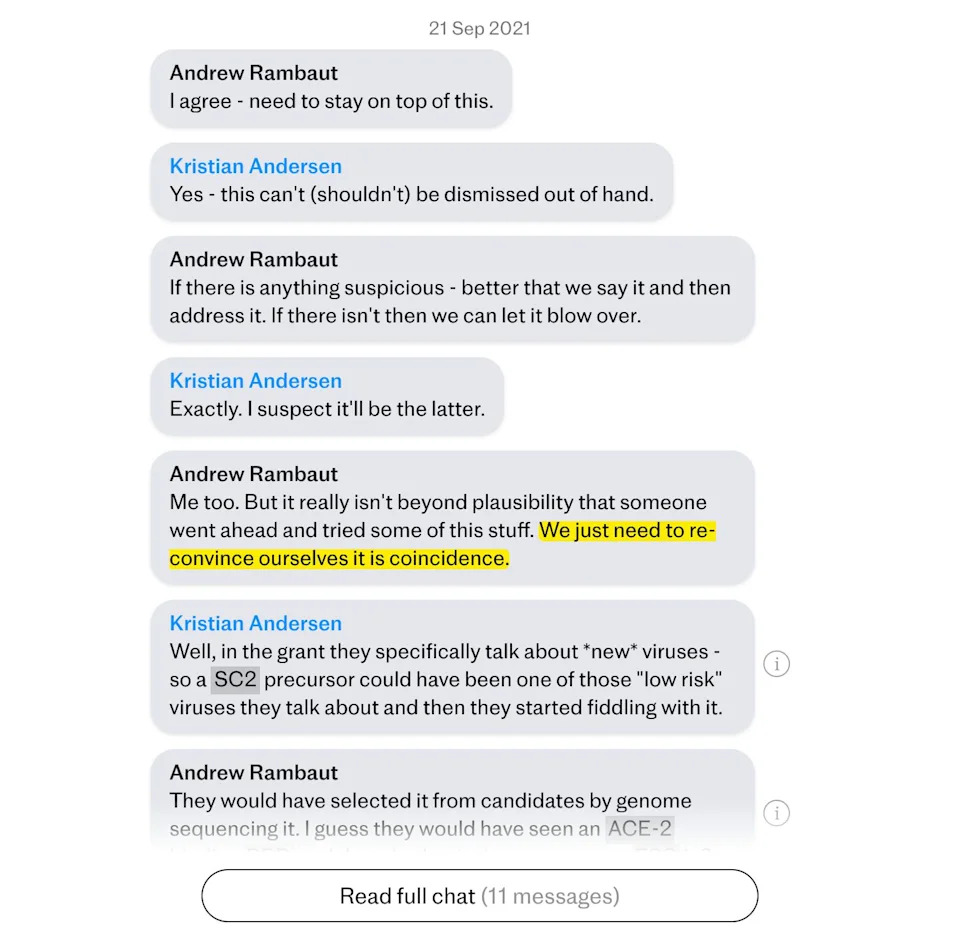
The original Nature Medicine article (March 2020) argued that a natural zoonotic spillover was the most likely origin. In September 2021, researchers at WIV reportedly applied for funding to study insertion of a furin cleavage site into bat coronaviruses; that proposal was reported to have been rejected by the U.S. Defense Advanced Research Projects Agency (DARPA) on safety grounds. Private Slack exchanges among scientists expressed worry the proposed work might nevertheless have been attempted and noted the coincidence of an FCS-bearing virus emerging in a city near WIV.
Communications And Conduct
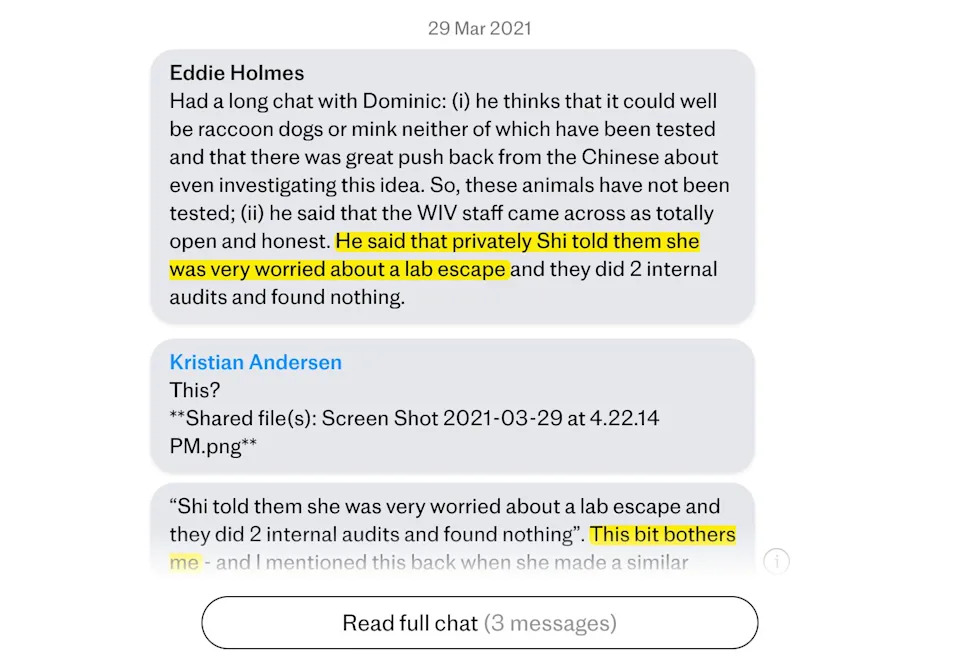
Messages also show authors discussing how to communicate about connections to collaborators such as EcoHealth Alliance and prominent researchers mentioned in public debate. Some exchanges included dismissive language about journalists, commentators, and political figures who supported a lab-origin hypothesis. Several authors advised caution in written communications, referencing concerns about Freedom of Information requests and email records.
Responses And Broader Context
Critics, including public figures and some scientists, say these private admissions indicate the public record understated uncertainty and call for fuller transparency and investigation. Defenders note that uncertainty about origins persists because of limited direct evidence and the inherent difficulty of proving either a natural spillover or an accidental laboratory release without new data.
Why This Matters
Determining the origin of SARS-CoV-2 has implications for public trust in scientific communication, biosafety practices, international laboratory collaborations, and future pandemic prevention. The newly released messages underscore scientific uncertainty and show that some leading researchers privately grappled with possibilities they had publicly downplayed.
Note: This article summarizes private communications made public by a third party and reported in media accounts. It aims to clarify what the messages say and why they have prompted renewed calls for transparency and investigation; it does not assert a definitive origin for SARS-CoV-2.
Help us improve.