The run-up to legislative elections in Pakistan-administered Kashmir has seen at least 40 deaths, most of them protesters, amid mass demonstrations against 12 assembly seats reserved for displaced Kashmiris. Authorities banned the protest alliance JAAC under anti-terror laws and launched a security crackdown, while a roughly 40-day mobile and internet blackout has compounded tensions. The UN has called for prompt, impartial investigations into the fatalities and raised concerns over restrictions on civil liberties as voting begins in three phases from 27 July.
Deadly Clashes Ahead Of Kashmir Vote: Protests, A Banned Alliance And A 40-Day Blackout
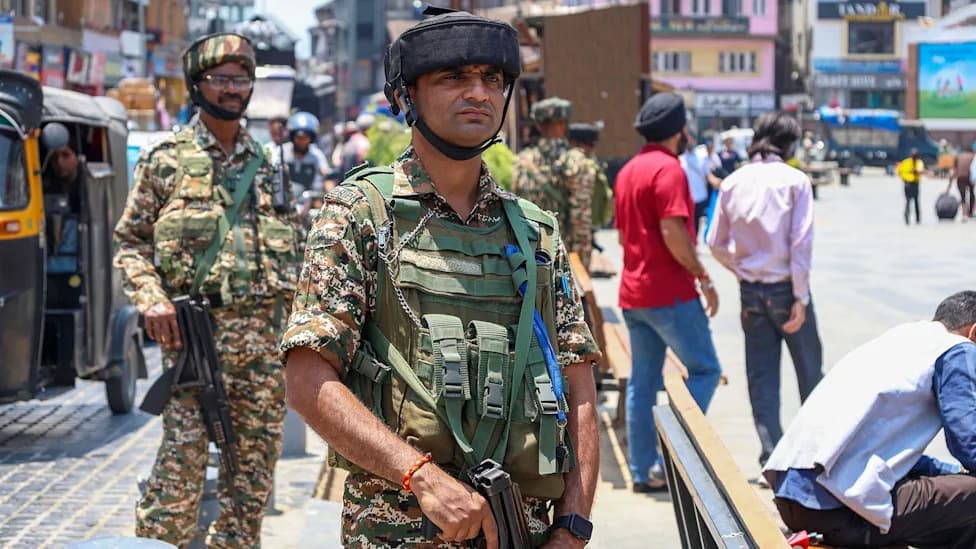
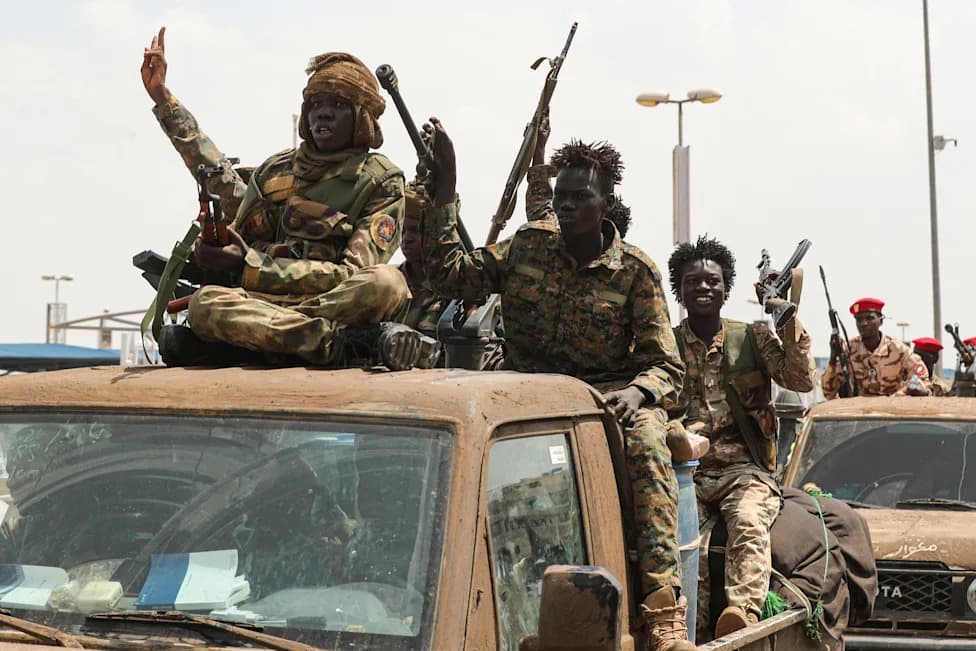
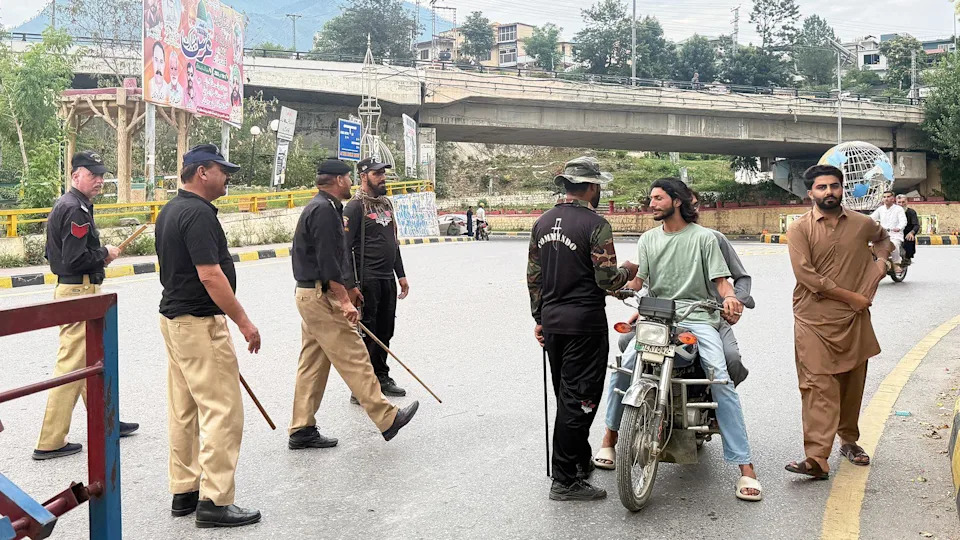
At least 40 people, most of them protesters, have been killed in the run-up to elections in Pakistan-administered Kashmir [Getty Images]
Naqash Zardad, a 30-year-old education department employee, was tending his buffalo farm in Rawalakot when clashes between police and demonstrators spilled into the area. With roads blocked, he could not reach home and, according to his uncle Altaf Hussain, was killed instantly by a stray bullet. Zardad is one of at least 40 people who have died in the run-up to legislative elections in Pakistan-administered Kashmir — 34 protesters and six members of police or paramilitary forces — with Rawalakot among the worst-hit towns.
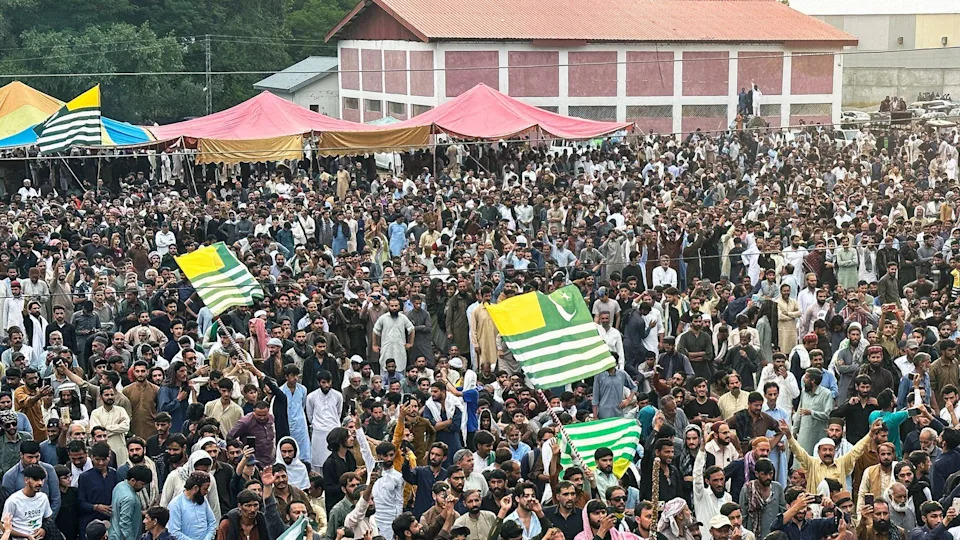
Large crowds have heeded activist calls for protests against the reservation of legislative seats for refugees [Getty Images]
What Sparked The Unrest
The violence followed mass protests organised by the Joint Awami Action Committee (JAAC), an alliance demanding the abolition of 12 assembly seats reserved for displaced Kashmiris who moved to Pakistan decades ago. Those 12 seats make up a significant portion of the 53-member assembly (33 directly elected, eight reserved for women and other categories). Opponents say the reserved seats exclude local residents because many of the displaced seat-holders no longer live in Pakistan-administered Kashmir.
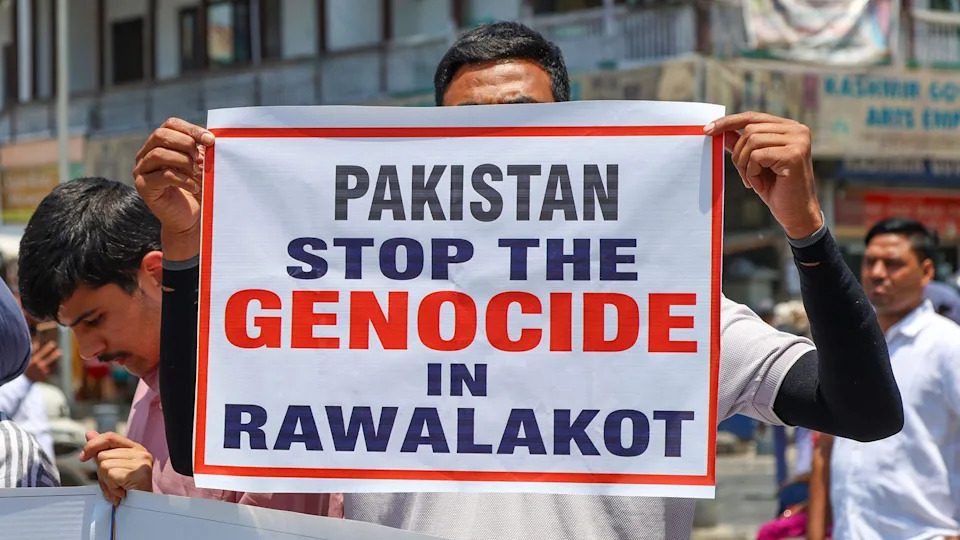
A poster in Indian-administered Kashmir reflects international concern at the way Pakistan is trying to suppress the protests [Getty Images]
Authorities' Response
The government responded by banning JAAC under anti-terrorism laws and mounting a security crackdown on demonstrations. Authorities say reservations are necessary and have insisted elections will proceed in three phases, with the first phase scheduled for 27 July. Critics and rights groups contend the ban and the crackdown have suppressed peaceful dissent and fuelled further unrest.
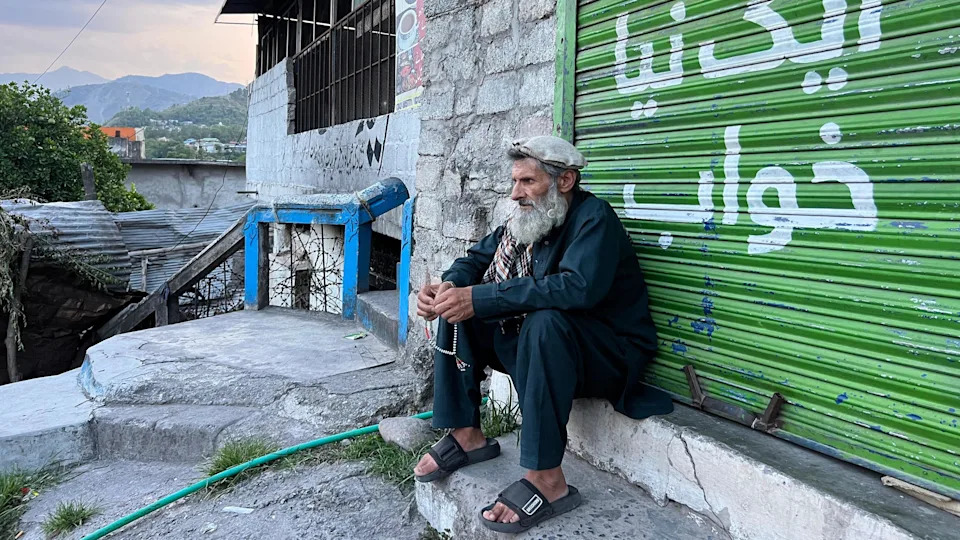
Tensions in the region are not new. Kashmir has been at the heart of a bitter dispute between India and Pakistan for decades [Naseer Chaudhry]
Local Atmosphere And Political Fallout
The BBC's reporting from Muzaffarabad found an atmosphere of fear and tension. Many residents were reluctant to talk openly: those seen supporting the polls risked being labelled 'facilitators' by JAAC, while JAAC sympathizers feared harassment from security and intelligence agencies. Violence has included attacks on candidates' vehicles and property, and some candidates say they have been assaulted. Campaigning has been muted, with rallies confined to private homes or small gatherings.
Campaigning has been muted. Fears of violence have prompted many candidates to hold political rallies in private [Getty Images]
Noreen Arif, the only female PML-N candidate in the race, said she moved campaign meetings into people's homes to avoid public rallies. Sardar Mukhtar Khan of the Pakistan People’s Party (PPP) described the JAAC protests as particularly popular among young people, compelling him to limit public campaigning.
Wider Context
The reserved seats trace back to legislation introduced in the 1970s intended to preserve representation for people from Indian-administered Kashmir who settled in Pakistan and hoped to return if the broader dispute were resolved. The Kashmir dispute between India and Pakistan remains unresolved and continues to shape politics in both countries. In the 2021 assembly election, Imran Khan's PTI won an outright majority before being removed in a 2022 no-confidence vote; national political instability has continued since.
International Concern And Calls For Investigation
'Prompt, thorough and impartial investigations' into all deaths are needed, said UN Human Rights chief Volker Türk, who also criticised the banning of JAAC and warned that criminalising civil society and restricting gatherings raise serious rights concerns.
India blamed the unrest on longstanding grievances and alleged denial of fundamental rights. PPP chairman Bilawal Bhutto urged a conciliatory approach, called for a truth and reconciliation commission, and criticised a region-wide communications shutdown that has left mobile and internet services suspended for around 40 days; he warned that prolonged outages risk being perceived as collective punishment.
What Happens Next
Despite the turmoil, officials have said voting will proceed. Observers say the conditions could undermine the credibility of the polls if tensions and restrictions continue. The situation remains fluid as the first phase of voting approaches on 27 July.
Additional reporting by Roohan Ahmed.
Help us improve.