Bangladesh President Mohammed Shahabuddin is expected to resign amid pressure after former prime minister Sheikh Hasina said she plans to return from exile despite facing a death sentence over the suppression of 2024 protests. Sources told BBC Bangla that ruling party leaders have urged Shahabuddin to step down and the Parliament Speaker is returning from Thailand to receive the resignation. If Shahabuddin quits, a presidential election must be held within 90 days.
Bangladesh President Expected to Resign as Ousted PM Sheikh Hasina Signals Return
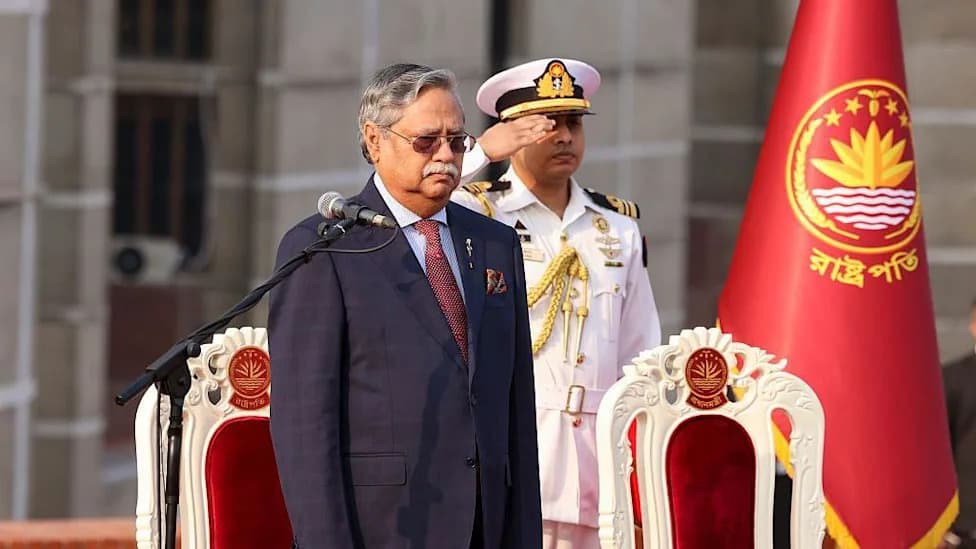
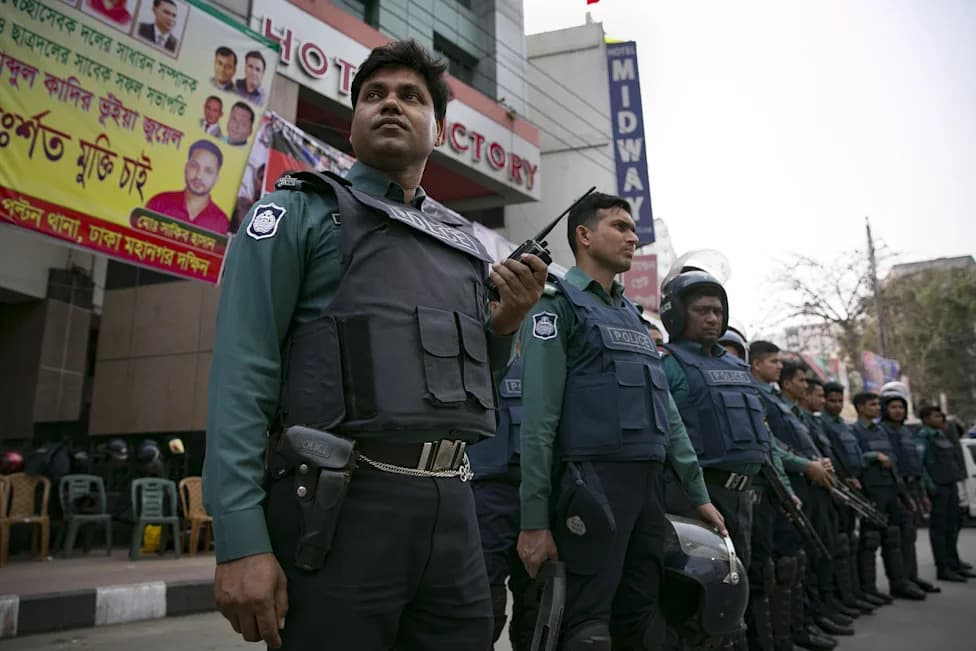
Mohammed Shahabuddin, who became president in 2023, is one of former leader Sheikh Hasina's only allies left in power [Getty Images]
Bangladesh President Mohammed Shahabuddin is widely expected to tender his resignation amid mounting pressure ahead of the planned return of former prime minister Sheikh Hasina, who faces a death sentence related to the suppression of 2024 protests.
Sources speaking to BBC Bangla say leaders of the ruling Bangladesh Nationalist Party (BNP) have urged Shahabuddin to step down. A senior official told BBC Bangla the president is likely to submit his resignation to Parliament Speaker Hafiz Uddin Ahmad, who has cut short a medical visit to Thailand and is due to return to Dhaka on Friday.
Shahabuddin's spokesperson also told Reuters the president, who has held office since 2023, is expected to quit on Friday. Other sources suggest Shahabuddin may cite illness as the reason for stepping down. Home Minister Salahuddin Ahmed, however, told reporters that the government had not instructed the president to resign and emphasized that the constitution allows the president to resign of his own accord.
Background
Sheikh Hasina told Reuters earlier this month that she intends to return from exile in India and face the courts in Bangladesh. Last year the International Crimes Tribunal found Hasina guilty in connection with the lethal suppression of student-led protests in 2024, a period of unrest that authorities say left about 1,400 people dead. The tribunal sentenced her to death in absentia.
Since Hasina's departure, her Awami League party has been banned from politics and many of its leaders have been jailed, according to reporting. Hasina has described severe repression of her party’s supporters and said in the Reuters interview: "If death comes, I want it to come on my own soil, where my parents are buried and where their blood was shed."
Political Implications
After the collapse of Hasina's government, many senior bureaucrats were removed, and an interim administration led by Nobel laureate Muhammad Yunus took charge. Shahabuddin — one of the few remaining figures from Hasina's circle to retain a national post — continued performing presidential duties through the transition. Although his term is due to end in 2028, Shahabuddin told Reuters in December he was eager to leave the presidency, saying he felt "humiliated" by certain actions of the interim government, including the removal of his portraits from Bangladeshi missions abroad. He said at the time he would remain until elections were held and allow the next government to decide his position.
Following a landslide general election victory by the Bangladesh Nationalist Party in February, Shahabuddin stayed on as president. If he resigns, Bangladeshi law requires that a new presidential election be held within 90 days — a development that could accelerate political realignments and shape how Hasina's planned return is handled by the state.
What to watch: Whether Shahabuddin cites illness or political pressure as his reason for resigning, and how the BNP-led government manages Sheikh Hasina's announced return and any resulting legal or security actions.
Help us improve.