The IPC warns that over two-thirds of Gaza's population could face acute hunger by December if humanitarian aid continues to decline. Mid-April to end-June estimates showed more than 1.2 million people (59%) in crisis, with roughly 212,000 in emergency conditions; the IPC projects this could rise to over 1.4 million (67%) by year-end. Nutritional improvements since the October 2025 ceasefire are fragile, and aid cuts—driven by funding shortfalls and access uncertainty—threaten to reverse those gains.
Global Food Monitor: Two-Thirds Of Gaza Could Face Acute Hunger By Year-End As Aid Falls
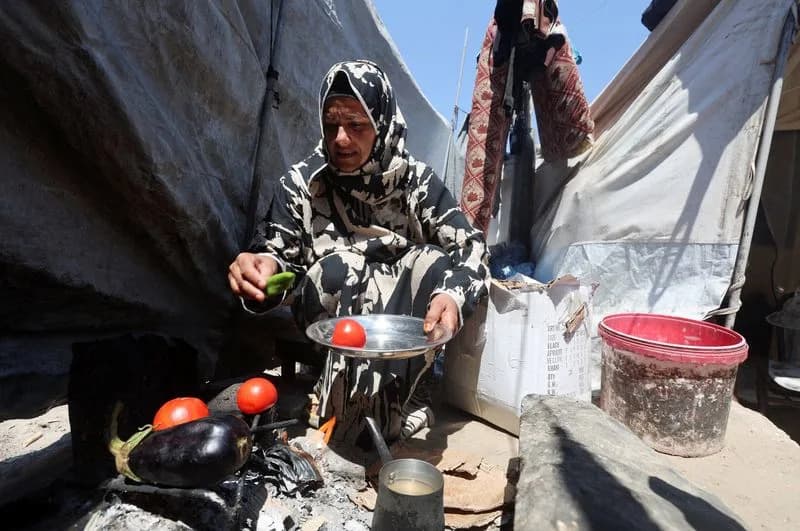
Displaced Palestinian woman Nisreen Abu Saada cook vegetables over a wood fire outside her tent, amid shortages of lighters and cooking gas, in Khan Younis, in the southern Gaza Strip, July 21, 2026. REUTERS/Ramadan Abed
The Integrated Food Security Phase Classification (IPC) warned on Wednesday that more than two-thirds of Gaza's population could face acute hunger by the end of the year as humanitarian assistance falls amid funding shortfalls and access uncertainty.
Key Findings From The IPC
The IPC's latest assessment found that acute malnutrition—especially among children—had fallen markedly after food deliveries and nutrition services increased following the October 2025 ceasefire between Israel and Hamas. However, those gains are fragile and risk being reversed if aid flows continue to contract.
Current And Projected Numbers
Between mid-April and the end of June, the IPC estimated that more than 1.2 million people, about 59% of Gaza's population, experienced acute hunger at crisis levels or worse. Of these, roughly 212,000 were classified in emergency conditions. The IPC projects this number could rise to more than 1.4 million people—about 67% of the population—by December if assistance continues to decline.
Drivers And Humanitarian Impact
Most households in Gaza remain dependent on external aid after two years of war, repeated displacement and strict limits on deliveries into the enclave. The report said household food consumption is inadequate for most families, with some resorting to begging or scavenging to survive.
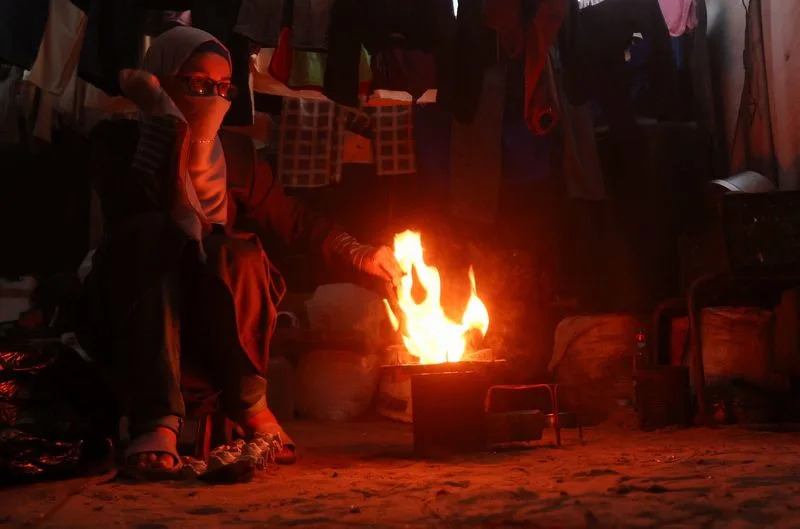
Displaced Palestinian woman Dunya Abu Taima lights a cooking fire amid shortages of lighters and cooking gas, in Khan Younis, in the southern Gaza Strip, July 21, 2026. REUTERS/Ramadan Abed
Nutrition interventions have already been scaled back: supplementary feeding programmes for pregnant and breastfeeding women served around 6,000 people between January and May—approximately half the previous caseload. Aid agencies warn further reductions are likely as funding and secure access to populations diminish.
Responses And Disputes
Israel's Ministry of Foreign Affairs said it does not block food entering Gaza and has facilitated the entry of more than 1.8 million tonnes of food into the enclave since October 2025. COGAT, the Israeli military body that oversees aid flows, dismissed the IPC report as biased, saying large quantities of food, water and medical supplies have entered Gaza and accusing Hamas of diverting and looting consignments.
Humanitarian organisations, meanwhile, have sounded the alarm over an unprecedented collapse of Gaza's water and sanitation systems, which would compound public-health risks if aid is reduced further.
Context
The latest IPC assessment comes against the backdrop of the wider conflict: Israeli authorities say Hamas-led fighters killed about 1,200 people in southern Israel and took 251 hostages in the initial attack, while Gaza health authorities report that Israel's subsequent offensive has killed more than 73,000 Palestinians, mostly civilians. These figures come from the respective reporting authorities.
Note: All figures are taken from the IPC assessment and statements from involved parties; numbers cited by Israeli and Gaza authorities reflect their respective tallies.
Help us improve.