The Church of England's General Synod voted to "hear" and encourage engagement with documents reflecting Palestinian Christian testimony, including the contested Kairos Palestine II. Chief Rabbi Ephraim Mirvis called the decision "shameful," saying the document presents a one-sided narrative that risks harming Jewish-Christian relations. Archbishop Sarah Mullally defended compassionate listening while acknowledging Jewish trauma and urging respectful, inclusive dialogue. Advocacy groups in the Just Peace Coalition welcomed the motion and called for serious engagement and prayer.
UK Chief Rabbi Calls Church Of England Vote ‘Shameful’ After Synod Agrees To 'Hear' Kairos II
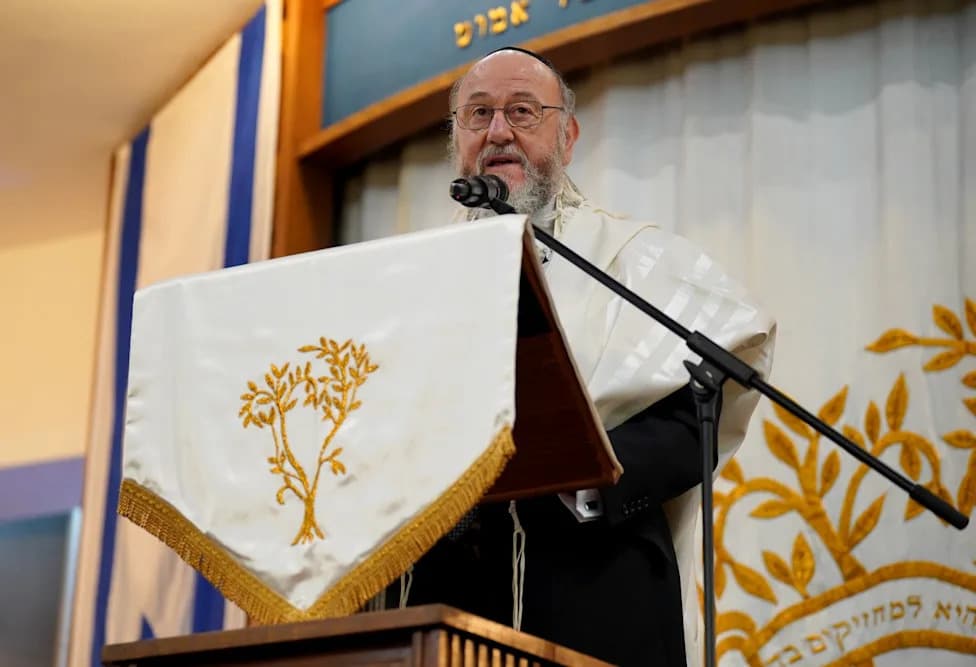
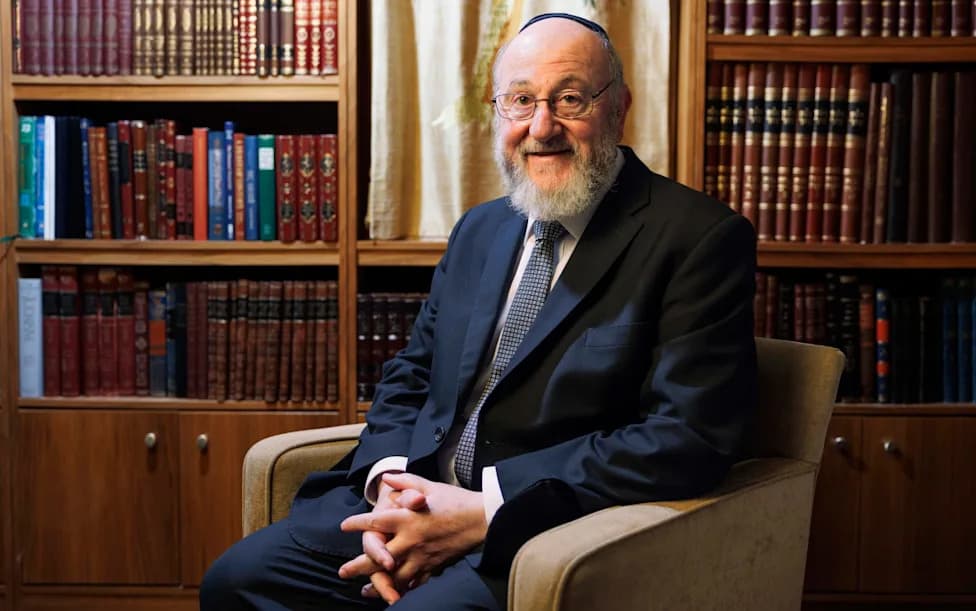
FILE PHOTO: Chief Rabbi Ephraim Mirvis speaks during an event at Finchley United Synagogue in central London for Israeli victims and hostages of Hamas attacks. (is associated with: «UK top rabbi: Church's Palestine motion sad for religious relations») Lucy North/PA Wire/dpa
Summary: The Church of England's General Synod voted to "hear" and encourage engagement with documents reflecting Palestinian Christian testimony, including the controversial Kairos Palestine II. Chief Rabbi Ephraim Mirvis condemned the move, warning it damages Jewish-Christian relations, while the Archbishop of Canterbury urged compassionate listening and inclusive dialogue.
What Happened
The General Synod — the Church of England's governing assembly — debated and passed a motion to "hear" a set of documents that describe the experiences of Palestinian Christians and to encourage church-level engagement with those texts. The wording of the motion was amended at the Synod meeting in York so that members would "hear" rather than formally "receive" the documents.
Why Kairos II Is Controversial
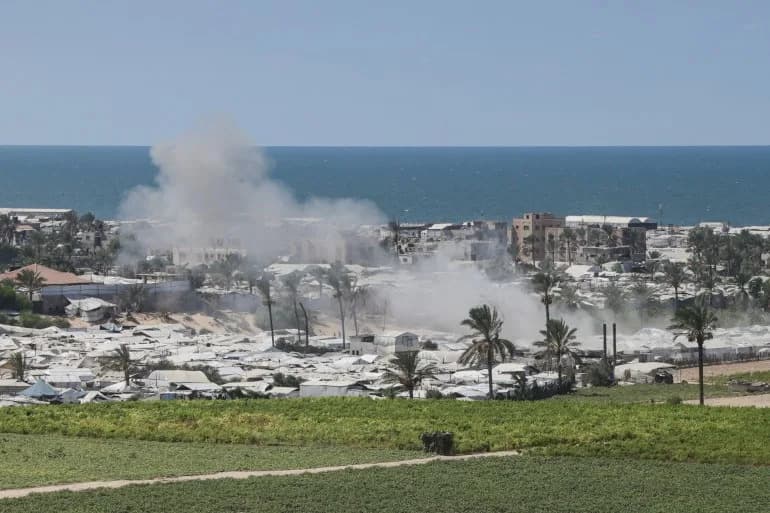
One of the texts discussed, Kairos Palestine II (A Moment of Truth: Faith in a Time of Genocide), uses stark language about the Israel-Palestine conflict. The document includes passages that describe what it calls "the genocidal war on Gaza" and accuses some Zionist policies of seeking to displace Palestinians and deny the right of return across Jerusalem, the West Bank, Gaza and the territories of 1948.
"The genocidal war on Gaza is the continuation of the Zionist project to seize all of Palestine, emptied of its Palestinian people." — Kairos Palestine II (excerpt)
Responses
Chief Rabbi Ephraim Mirvis strongly criticized the Synod's decision both before and after the vote, calling it "shameful". He said Kairos II "presents a one-sided account of a complex conflict, downplays the historical experiences and legitimate concerns of Jewish people, and offers little more than political activism dressed up as theology." He warned the document's rhetoric could undermine dialogue and harm prospects for peace.
Board of Deputies of British Jews and its president Phil Rosenberg urged Synod to reject Kairos II, calling it "highly problematic" and warning that parts of the document conflict with the Church's stated aim of tackling antisemitism.
Archbishop of Canterbury, Sarah Mullally, addressed Synod and defended listening to Palestinian Christian testimony while acknowledging Jewish pain from the 7 October attacks. She said hearing those accounts does not imply agreement with every claim but is an act of pastoral solidarity. Mullally, who visited the region in June (including Birzeit in the West Bank), warned that "Palestine is disappearing" and described widespread trauma across Gaza, the West Bank, southern Lebanon and northern Israel.
She emphasised the need for "critical and respectful dialogue" that includes Palestinian Christian voices alongside Jewish and Muslim perspectives, and reiterated that international humanitarian law must be upheld across the region.
Advocacy Groups such as Christian Aid, Embrace the Middle East and Sabeel-Kairos UK — members of the Just Peace Coalition — welcomed the motion and urged churches, dioceses and congregations to engage seriously with Palestinian Christian testimony, to pray for those affected, and to pursue justice, peace and reconciliation.
Implications
The Synod vote has highlighted tensions between calls for pastoral listening to Palestinian Christians and concerns from Jewish organisations that the language of some documents crosses into politicised, incendiary rhetoric. Church leaders and communal organisations are calling for continued dialogue aimed at fostering understanding while rejecting hatred and violence.
Key Quotes
"It is shameful that the Church of England General Synod has recommended engagement with Kairos II." — Chief Rabbi Ephraim Mirvis
"To hear the heartfelt expressions of the lived experiences of the Palestinian Christians does not mean we agree with everything in these documents, but it does mean that we listen with compassion." — Archbishop Sarah Mullally
Reporting note: The Synod debated the motion in York; the content reflects statements made in that debate by named officials and organisations.
Help us improve.