In December 2025, 18-year-old university student Henry Nowak was fatally stabbed while walking back to his halls in Southampton. The attacker, 23-year-old Vickrum Digwa, initially told officers at the scene that he had been the victim of a racially motivated assault. Video and bodycam footage later presented in court show Nowak bleeding on the pavement, telling officers he had been stabbed and saying,
"I can't breathe."
What Happened At The Scene
Court-admitted footage shows police accepting Digwa's account and handcuffing Nowak as he lay injured. An officer can be heard responding to Nowak's plea with, "I don't think you have, mate." Officers then released Nowak and arrested Digwa; Nowak died at the scene. A British court has since sentenced Digwa to life imprisonment with a minimum term of 21 years.
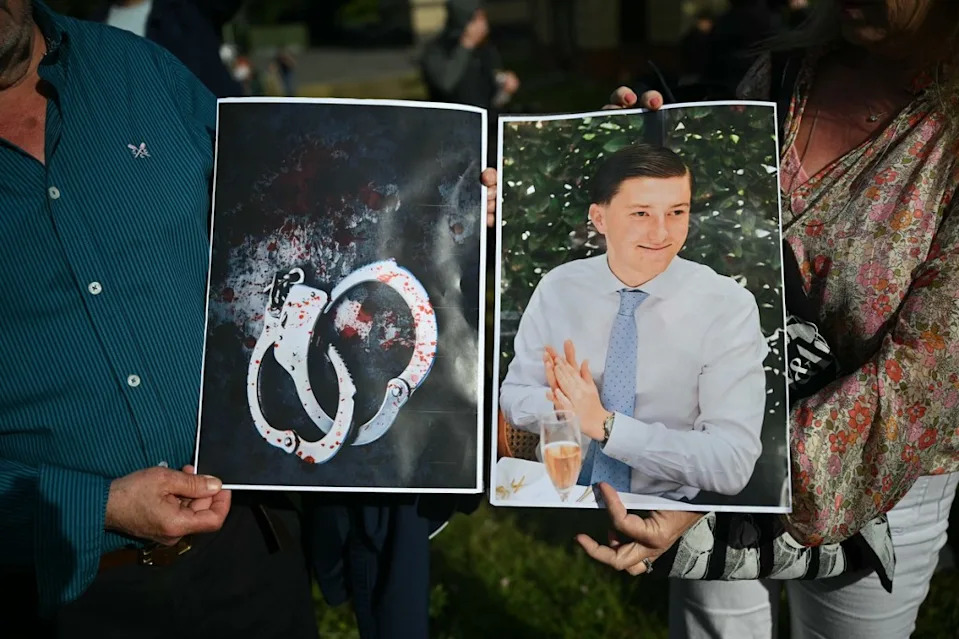
People hold images of victim Henry Nowak, and blood-covered handcuffs as they take part in a protest outside of Southampton Central Police Station in Southampton, England, on June 2, 2026, following the killing of Nowak by Vickrum Digwa.
Public Reaction And Unrest
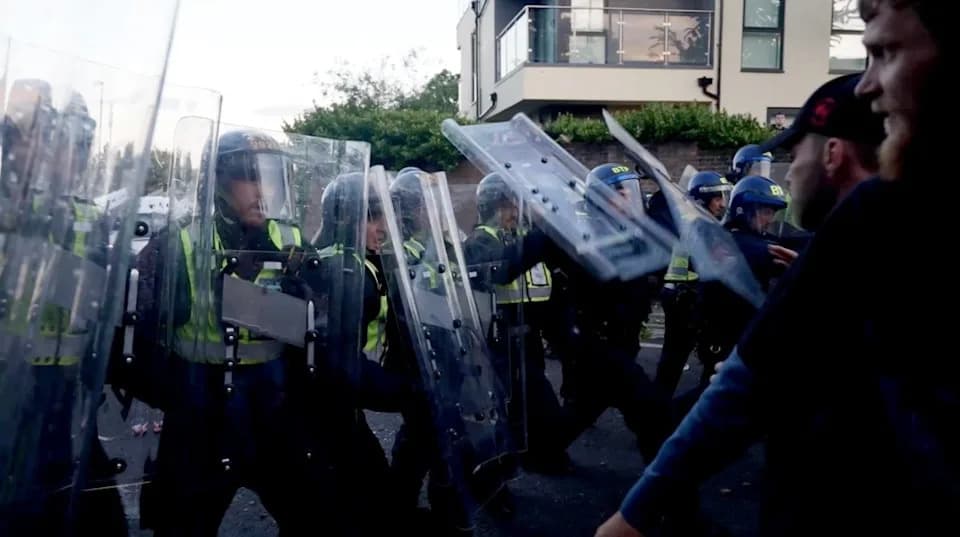
The footage and the police response have provoked national outrage in the U.K., sparking violent protests in Southampton where demonstrators clashed with police and officers were injured. Political leaders reacted strongly: Prime Minister Keir Starmer said he felt "sick" after viewing the video and said police faced "serious questions" about how allegations of racism influenced their decision-making.
Comparisons With George Floyd
Some commentators and far-right figures have likened Nowak's final words to those of George Floyd, the Black man who died after a Minneapolis officer knelt on his neck in 2020. Those comparisons have been criticized by experts and former senior officers who say the two incidents differ in important respects: Floyd's death resulted from a deliberate restraint by an officer, whereas experts have argued Nowak's plea reflected catastrophic internal injury and bleeding.
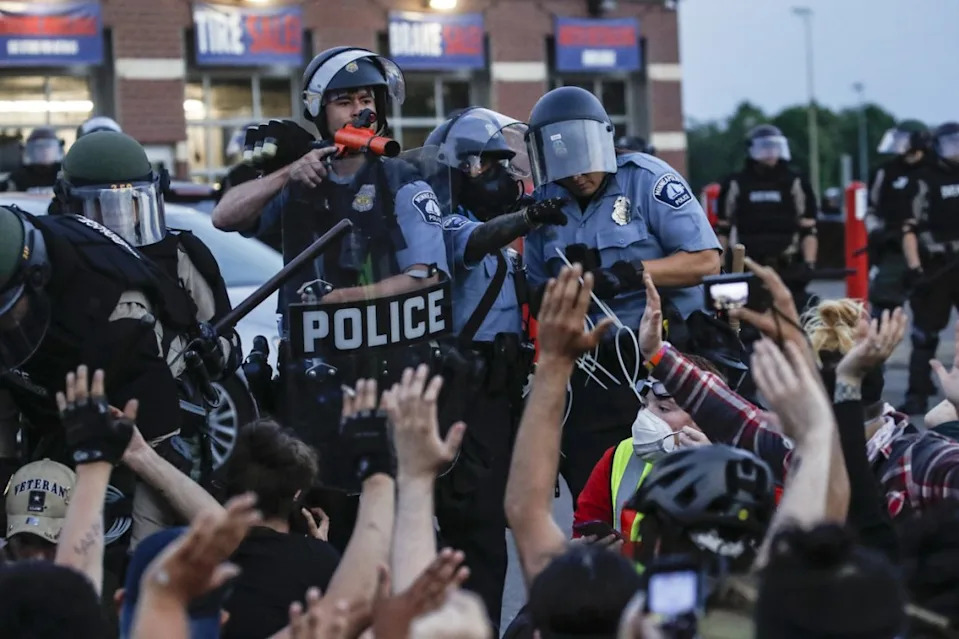
A police officer points a hand cannon at protesters who have been detained pending arrest on South Washington Street in Minneapolis, May 31, 2020, as protests continued following the death of George Floyd.
Officials, Experts And Families
The National Police Chiefs' Council (NPCC) guidance on an "anti-racism commitment" and how officers should consider people's backgrounds has come under scrutiny; the U.K. policing minister called the language of the pledge "wrong" and said it gave a misleading impression. Former senior officer Neil Basu described inflammatory political comments as "extremist," while academics such as Professor Tahir Abbas highlighted factual differences between the Nowak and Floyd cases.
Henry's father, Mark Nowak, described his son’s treatment as "inhumane and degrading" but urged that the tragedy not be used to inflame division. Digwa's family similarly appealed for the case not to provoke hostility toward any community.
Investigation And Next Steps
The local police force has apologized for handcuffing and arresting Nowak in the minutes before his death. Internal regulators have opened an investigation into officers' actions at the scene, and public debate continues about policing culture, decision-making under pressure, and how to balance anti-racism commitments with urgent medical and public-safety duties.
Key facts: video and bodycam evidence were central to the trial; Digwa received a life sentence with a 21-year minimum; protests and political debate have followed; and regulators are investigating police conduct.