The Epstein and Swalwell scandals captured headlines while federal enforcement tools protecting people from sexual harassment and assault have been weakened. The EEOC rescinded its April 2024 harassment guidance without replacing it and has dropped cases involving transgender and gender-nonconforming plaintiffs. The Education Department’s Office for Civil Rights lost roughly half its staff in 2025 and has opened far fewer sexual-violence investigations, and oversight tied to the Prison Rape Elimination Act and detention abuse investigations has been cut. These changes risk leaving vulnerable people without meaningful protections.
Epstein and Swalwell Made Headlines — But Federal Protections Against Sexual Misconduct Have Been Quietly Dismantled
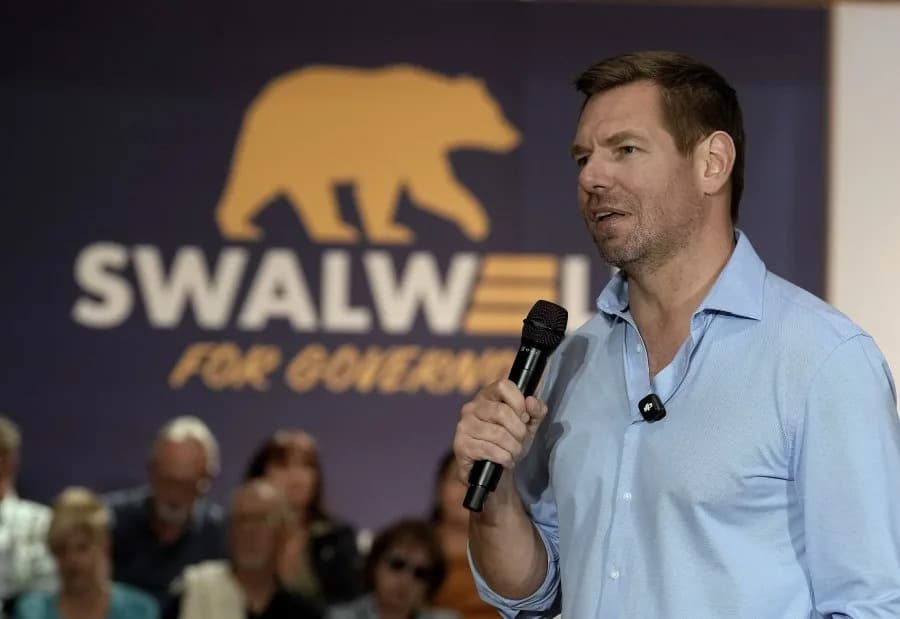
High-profile scandals involving Jeffrey Epstein and Rep. Eric Swalwell (D-Calif.) dominated headlines, but they have obscured a deeper and more dangerous trend: the gradual weakening of the federal systems meant to prevent and address sexual harassment and sexual violence.
The attention those cases received underscores two persistent truths: survivors face steep barriers to reporting abuse, and institutions often fail to deliver accountability. As one of the women whose reporting helped remove Swalwell told The Washington Post, “This is a post-Epstein world and a post-#MeToo world, so you’d think we should have learned.”
Eroding Workplace Protections
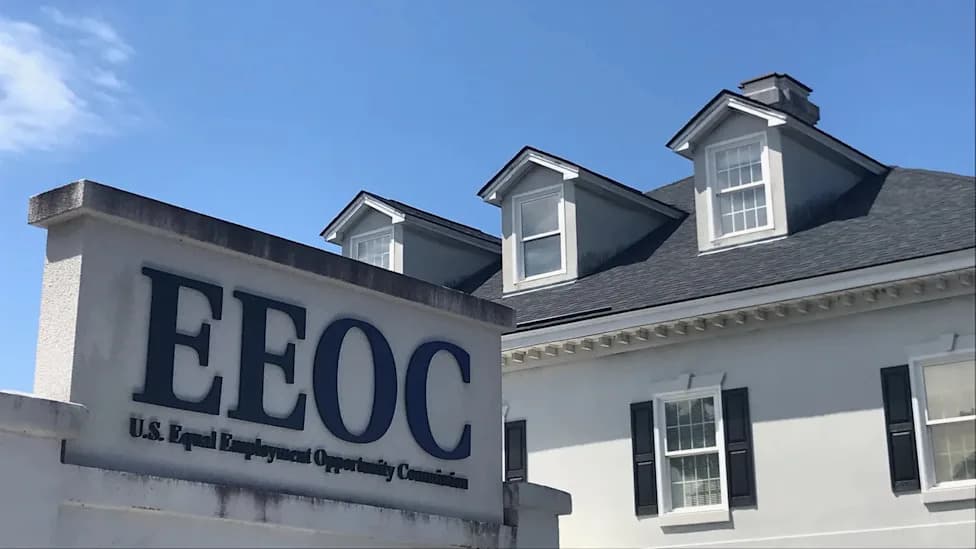
In January, the Equal Employment Opportunity Commission (EEOC) voted to rescind its Enforcement Guidance on Harassment in the Workplace, a comprehensive April 2024 document that clarified what constitutes illegal workplace harassment, how employers should prevent it, and what investigatory and accountability steps the commission expected. The guidance was removed without a replacement, leaving employers and workers with less clarity about their rights and duties.
At the same time, the agency abandoned multiple court cases it had been pursuing — including suits brought by transgender or gender-nonconforming plaintiffs — while pursuing other high-profile cases critics describe as unserious. Examples cited include litigation on behalf of men excluded from a women-only corporate retreat and a suit over diversity training that referenced the term “white supremacy.” These choices have prompted concern that the agency is prioritizing optics over systemic enforcement.
Cuts to Education and Campus Enforcement
The Department of Education’s Office for Civil Rights (OCR), which enforces Title IX protections against sexual harassment and assault in schools and universities, saw major staff reductions in 2025. The office laid off roughly half its workforce, and the effect has been immediate: since the staffing cuts, OCR has opened far fewer sexual-violence investigations and, according to publicly reported figures, has not resolved a significant number of K–12 complaints alleging sexual assault, sexual harassment, gender harassment, or pregnancy discrimination that it would historically have addressed.
Detention Facilities and Oversight Gaps
As immigration detention levels reached historic highs, oversight mechanisms designed to prevent sexual abuse behind detention walls were weakened. The Department of Justice cut all funding for the National Resource Center under the Prison Rape Elimination Act (PREA), which plays a central role in auditing facilities for compliance with federal standards. The Department of Homeland Security eliminated two offices charged with investigating sexual-abuse complaints by detained immigrants. Those changes have reduced independent scrutiny where it is most needed.
Consequences And Context
These shifts matter beyond administrative reorganization. Surveys and research show that retaliation after reporting workplace sexual harassment is common: more than 70% of complainants reported forms of retaliation such as firing, defamation suits, or being passed over for promotion, and among those who identified alleged perpetrators, 37% said the alleged harasser was not held accountable.
When enforcement mechanisms are weakened or defunded, statutory protections exist largely on paper. The pattern of dismantling institutional safeguards — in enforcement offices, audit bodies, and investigative units — sends a clear message that the harms suffered by the most vulnerable are deprioritized.
What Now? The public scrutiny generated by Epstein-era reporting and the Swalwell controversy should be leveraged to demand stronger enforcement, restored funding for oversight bodies, and clearer guidance for employers and schools. Without sustained political and public pressure, the burden of accountability will continue to fall on survivors rather than institutions.
Jason Solomon is director of the National Institute for Workers’ Rights.
Help us improve.