
Republican senators criticized reports of a Trump administration framework that would impose a 60-day ceasefire with Iran while nuclear talks continue. Key GOP figures — including Ted Cruz and Thom Tillis — warned that allowing Iran to retain nuclear material or influence over the Strait of Hormuz would be dangerous. Lindsey Graham and Roger Wicker also objected, though Graham said he might support the plan if it produced a major expansion of the Abraham Accords. The White House defended the negotiations and said the blockade of the Strait would remain in place pending a signed agreement.
GOP Pushback Over Reported Trump-Iran Framework: Senators Warn 60-Day Ceasefire Could Empower Tehran
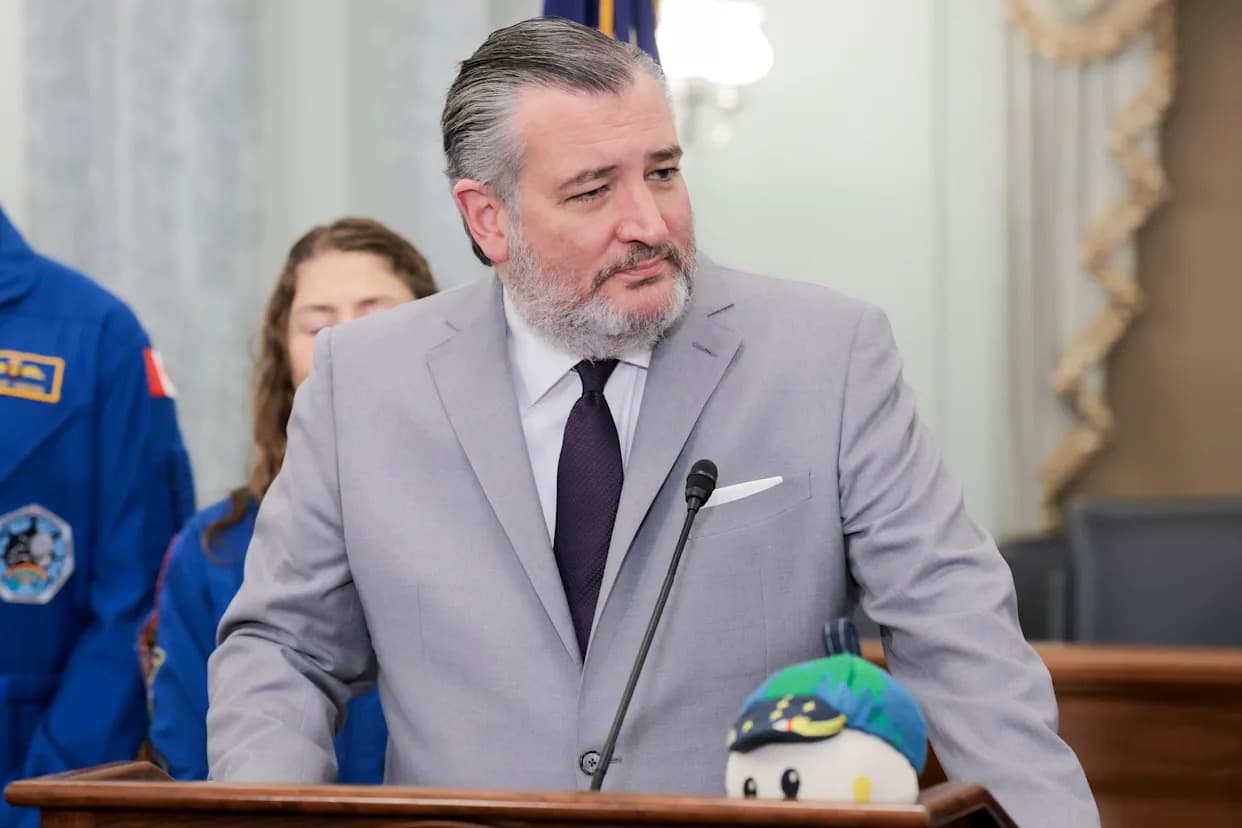
Texas Republican Sen. Ted Cruz speaks in the Russell Senate Office Building in Washington, D.C.(Anna Moneymaker via Getty Images)
President Donald Trump is facing sharp criticism from prominent Republicans after media reports described a proposed framework that would impose a 60-day ceasefire with Iran while negotiators continue talks over Tehran’s nuclear program. The draft outline reportedly would not require Iran to immediately surrender existing nuclear material, a key detail prompting bipartisan concern within the GOP ranks.
What The Reported Framework Would Do
According to multiple accounts, the framework would pause active hostilities for 60 days while diplomats negotiate limits on Iran’s nuclear activities. Critics say the temporary ceasefire and the decision not to demand immediate handover of nuclear material risk preserving Tehran's enrichment capacity and strategic leverage over the Strait of Hormuz.
Republican Reactions
Sen. Ted Cruz (R-Texas) wrote on X that he is "deeply concerned" by internal accounts and warned that if the deal leaves an Islamist-led Iranian regime "receiving billions of dollars, being able to enrich uranium & develop nuclear weapons, and having effective control over the Strait of Hormuz," the outcome would be "a disastrous mistake." Cruz also flagged Rob Malley — a key architect of the 2015 Iran agreement under the Obama administration — as a concerning presence in the negotiations.
Sen. Thom Tillis (R-N.C.) told CNN he could not support the deal as described and criticized Defense Department messaging. Tillis referenced earlier statements that U.S. forces had "obliterated Iran's defenses" and questioned why the administration would now accept Iran retaining nuclear material. He also argued that any agreement that bypasses Congressional review would likely fail.
Sens. Lindsey Graham (R-S.C.) and Roger Wicker (R-Miss.) also voiced alarm. Wicker warned that a 60-day ceasefire premised on Iran acting in good faith could undo gains from the reported U.S.-Israeli campaign dubbed Operation Epic Fury. Graham cautioned the move could shift the Middle East balance of power in Iran’s favor and become "a nightmare for Israel," though he later said he might support the framework if it produced a major expansion of the Abraham Accords to include key regional players.
Former Secretary of State Mike Pompeo compared the emerging outline to the 2015 nuclear deal, calling it "not remotely America First." The exchange escalated on social media when White House Communications Director Steven Cheung responded bluntly to Pompeo.
Administration Response
President Trump defended the negotiations on Truth Social, rejecting comparisons to the 2015 agreement and calling the current talks "the exact opposite." Trump said he instructed his negotiators not to rush and asserted the U.S. blockade of the Strait of Hormuz would remain in place "until an agreement is reached, certified, and signed." He also floated the possibility that Iran could eventually join an expanded Abraham Accords — a dramatic and unlikely diplomatic shift given Tehran’s longstanding enmity with Israel.
Secretary of State Marco Rubio pushed back against GOP critics, saying it is "absurd" to believe the president would agree to terms that strengthen Iran’s nuclear position. Rubio argued the administration’s posture is designed to prevent Iran from emerging stronger.
Key Questions Remain
Lawmakers across the aisle and national security analysts are likely to press for details about verification mechanisms, timelines for nuclear material inspections, the conditions for lifting the blockade of the Strait of Hormuz, and whether Congress will have a formal role in reviewing any final agreement. With details still emerging, the debate within the GOP highlights tensions over strategy, oversight and the balance between diplomacy and force.
Help us improve.





















