This article explains how bystander video has repeatedly challenged official accounts of deadly encounters involving immigration agents and protesters, and why such footage is essential to accountability. It summarizes how most federal appeals courts recognize a First Amendment right to record police in public, while also detailing how qualified immunity and uneven precedent limit remedies. The piece documents DHS rhetoric and alleged harassment that can chill civilian documentation, and argues that stronger, clearer protections are needed to preserve public oversight.
Filming Police Is a First Amendment Right — But Federal Agents Still Harass Those Who Do
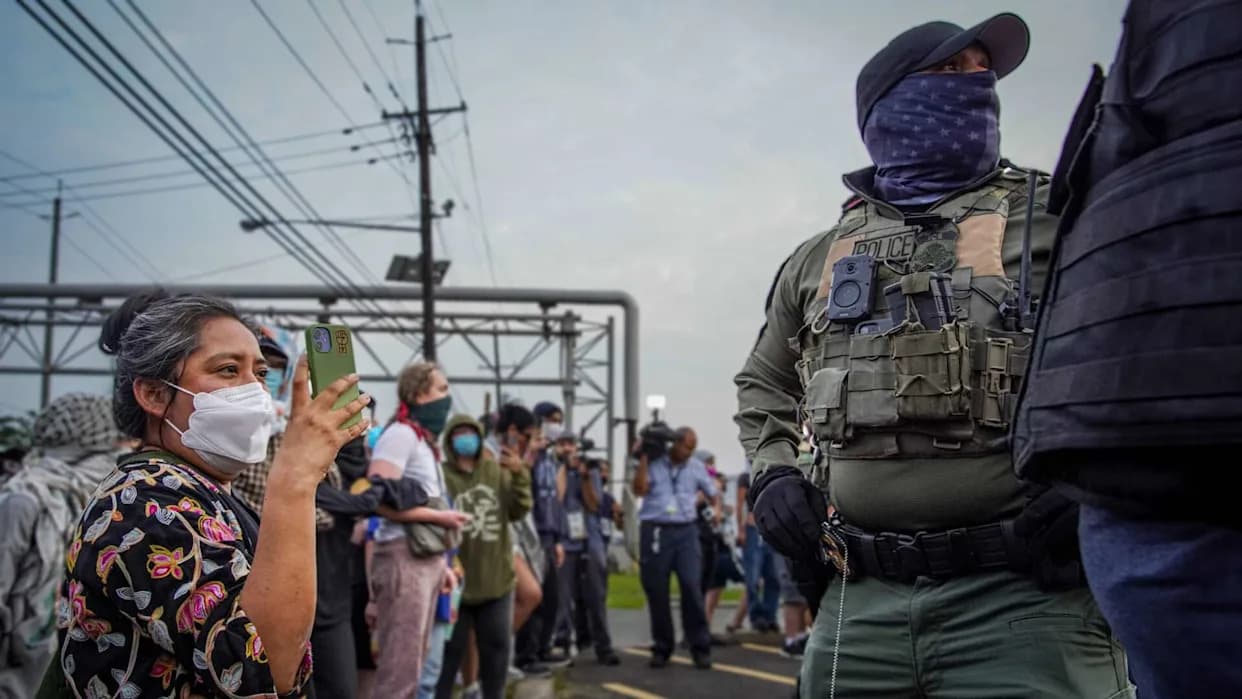
Filming Cops Is a First Amendment Right. The Feds Keep Harassing People for It Anyway.
Cellphone video has repeatedly undermined official accounts of deadly encounters between immigration agents and protesters, yet federal officers and some Department of Homeland Security (DHS) officials continue to treat recording as a threat rather than a constitutionally protected act. Footage of the encounters involving Renée Good and Alex Pretti in Minneapolis exposed claims by officials that were contradicted by on-the-ground recordings—and underscored why civilian documentation matters for accountability.
Why Bystander Video Matters
Video captured by eyewitnesses can confirm or disprove official narratives in real time. In the cases highlighted here, cellphone footage suggested neither Good nor Pretti behaved as DHS leaders initially described. In Good’s encounter with ICE agent Jonathan Ross, footage did not show her running over officers and suggested she was steering away when she was shot. In Pretti's case, recordings showed he did not attack officers or draw the licensed, holstered pistol officers later found.
What the Courts Have Said
Federal appeals courts have increasingly recognized that the First Amendment protects the right to record police performing public duties, subject to reasonable time, place, and manner limits. Key decisions include:
- Glik v. Cunniffe (1st Cir.): The court affirmed that recording police in public is protected speech.
- Smith v. City of Cumming (11th Cir.): The court recognized the right but found that, on the facts presented, the officers had not violated it—leaving some questions about the right’s contours.
- ACLU v. Alvarez (7th Cir.): The court struck down broad eavesdropping restrictions that would criminalize many lawful recordings.
- Turner v. Driver (5th Cir.), Fields v. Philadelphia (3rd Cir.), Askins v. DHS (9th Cir.), Irizarry v. Yehia (10th Cir.), Sharpe v. Winterville (4th Cir.): These decisions together show a growing consensus that recording is protected, while also highlighting how qualified immunity and uneven precedent limit remedies for victims.
Qualified Immunity and Inconsistent Protections
Even when appeals courts recognize a right to record, qualified immunity frequently shields officers unless the right was "clearly established" in the relevant circuit at the time of the incident. That doctrine has led courts to dismiss many civil claims, creating a patchwork of protections: citizens in some circuits can sue successfully for interference with their recordings, while others face de facto immunity for officers who seize phones, make arrests, or use force.
DHS Rhetoric and Field Conduct
Beyond litigation, agency statements and internal guidance sometimes characterize recording as "surveillance," "doxing," or a tactic that contributes to "unlawful civil unrest." Reports and lawsuits—such as the ACLU complaint regarding the Memphis Safe Task Force—describe tactics used to deter documentation: photographing activists and license plates, boxing observers in with vehicles, shining bright lights at cameras, unwarranted detentions, confiscating phones, and physical force. Video from protests and enforcement operations shows agents grabbing phones, shoving or tackling people holding cameras, and threatening force.
Why This Matters
Peaceful recording plays a vital role in public accountability. Without it, official accounts of encounters involving use of force are harder to verify. Harassment or the risk of arrest and violence chill bystander documentation, reducing transparency at the very moment civic oversight is most needed.
Conclusion
Most federal appeals courts that have squarely addressed the issue recognize a First Amendment right to record police in public, but qualified immunity and inconsistent precedent limit meaningful redress. Agency rhetoric that frames recording as "doxing" or violent surveillance, along with on-the-ground harassment described in lawsuits and captured on video, risks chilling the very civilian oversight that helps expose misconduct and preserve public trust.
"There’s an element of necessity here for accountability," said Will Creeley, legal director at the Foundation for Individual Rights and Expression. "If we didn't have video footage of what happened to Mr. Pretti yesterday, what would the government tell us?"
Help us improve.