After a prolonged, near‑total internet blackout linked to regional hostilities, Iran has introduced a paid "Pro Internet" tier that restores limited online access for select professionals. Critics say the program creates a two‑tier system that monetizes connectivity and deepens social inequality, while rollout appears uneven. Many potential users find the data allowances and prices unaffordable amid soaring inflation; officials blame security threats and promise full restoration once conditions improve.
Iran’s Paid “Pro Internet” Access After Long Blackout Sparks Public Backlash
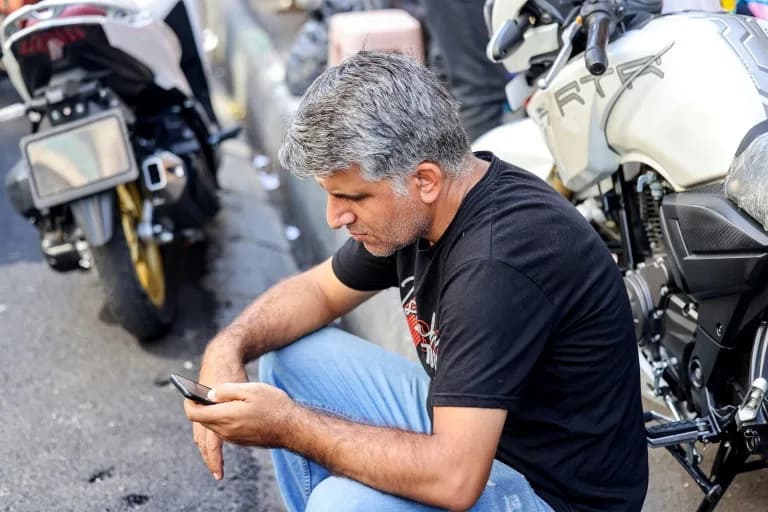
Millions have been unable to access the internet in Iran since the United States and Israel attacked Iran on February 28, punishing the pockets of online entrepreneurs and workers (ATTA KENARE)(ATTA KENARE/AFP/AFP)
After months of a near-total internet blackout tied to the Middle East conflict, some Iranians have been offered a paid, limited service called "Pro Internet" that restores partial connectivity for select professionals and business owners. The move has provoked sharp criticism from users, reformist media and digital-rights advocates who say the policy turns internet access into a purchasable privilege.
What Happened
Millions of Iranians were cut off from the global web after attacks on February 28. By April 5, internet monitor NetBlocks described the outage as "the longest nation-scale internet shutdown on record in any country." The blackout has left most people with access only to local websites, banking platforms and state-approved apps, while broader access has been restricted.
What "Pro Internet" Is
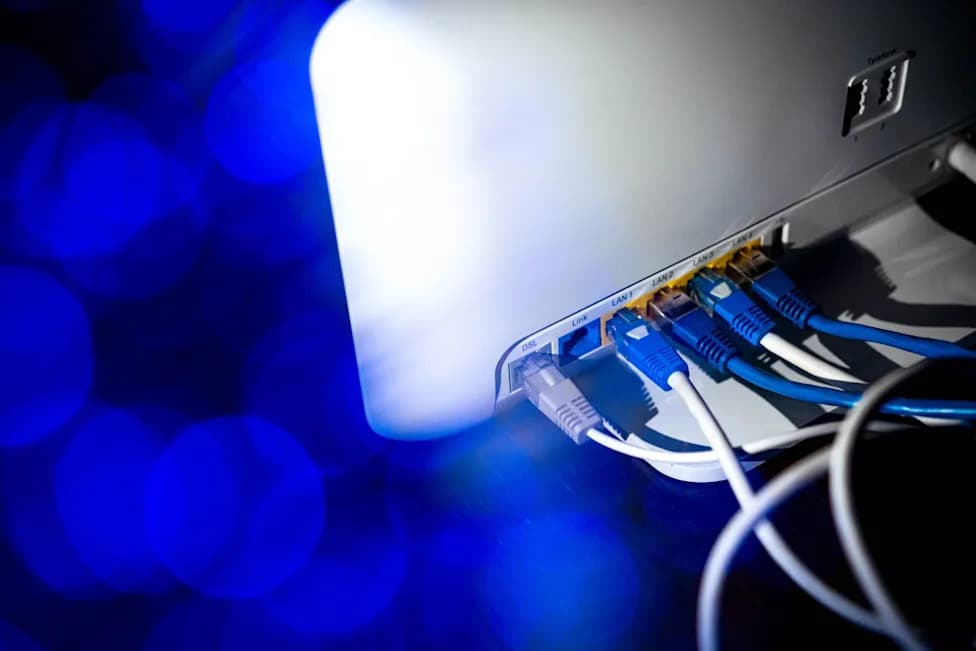
The government has offered a paid "Pro Internet" tier to certain professionals and business owners, allowing limited access to some messaging apps and domestic services. Recipients say the invitations were unevenly distributed. Some users report paying roughly $11 for an initial 50 GB package, but the service does not restore access to major platforms long blocked in Iran—such as Instagram, X and YouTube—without also using a VPN.
"It was out of necessity. I was forced to get internet so I could ensure the flow of my income," said Amir‑Hassan, a 39‑year‑old tech worker who purchased the package.
Public Reaction And Social Impact
Critics argue the policy creates a tiered model of internet access that monetizes connectivity and deepens inequality. Reformist outlets have labelled the change "tiered internet," saying it transforms a civic right into an allocable privilege. Some people who buy the service report social stigma and accusations of funding the very authorities who imposed the blackout.
Access levels reportedly vary among subscribers, and even some intended beneficiaries—such as university professors—say they did not receive offers. "As soon as you step out of the university, you will again become a third‑class citizen," one professor said, describing unequal rollout within professional groups.
Economic Pressure And Affordability
Many Iranians face growing financial strain as inflation surges above 50% and the rial has weakened sharply against the dollar. For some, the data allowances and prices are unaffordable. "The amount of data offered, in my view, is not economically worthwhile compared to the cost," said Mehdi, a 34‑year‑old graphic designer who nevertheless purchased the package for work.
Others declined the upgrade, saying they already pay separately for VPN services and will not buy what they call "a little amount of freedom" at many times the normal price.
Official Response
Government spokeswoman Fatemeh Mohajerani said connectivity would return to normal "once the shadow of war is gone," blaming "enemies"—a reference to Israel and the United States—for creating security conditions that forced the authorities to restrict the internet.
Why It Matters
The controversy highlights a wider debate about digital rights, state control and economic hardship in times of crisis. Observers warn that normalizing paid, selective internet access could set a precedent that undermines universal connectivity and exacerbates social divisions.
Reporting by AFP. Additional context from NetBlocks and local media coverage.
Help us improve.