ISS Cameras Captured Lightning Over Kansas: Sen SpaceTV-1 aboard the International Space Station recorded repeated bright flashes lighting storm tops near Wichita on May 5, 2026. From orbit, intense lightning often appears as pulses that illuminate entire storm systems rather than single ground strikes. Scientists use such imagery to study storm structure, lightning frequency and upper-atmosphere effects, improving weather models and helping protect communications and aviation.
Space-Station Camera Captures Dazzling Lightning Over Kansas Storms
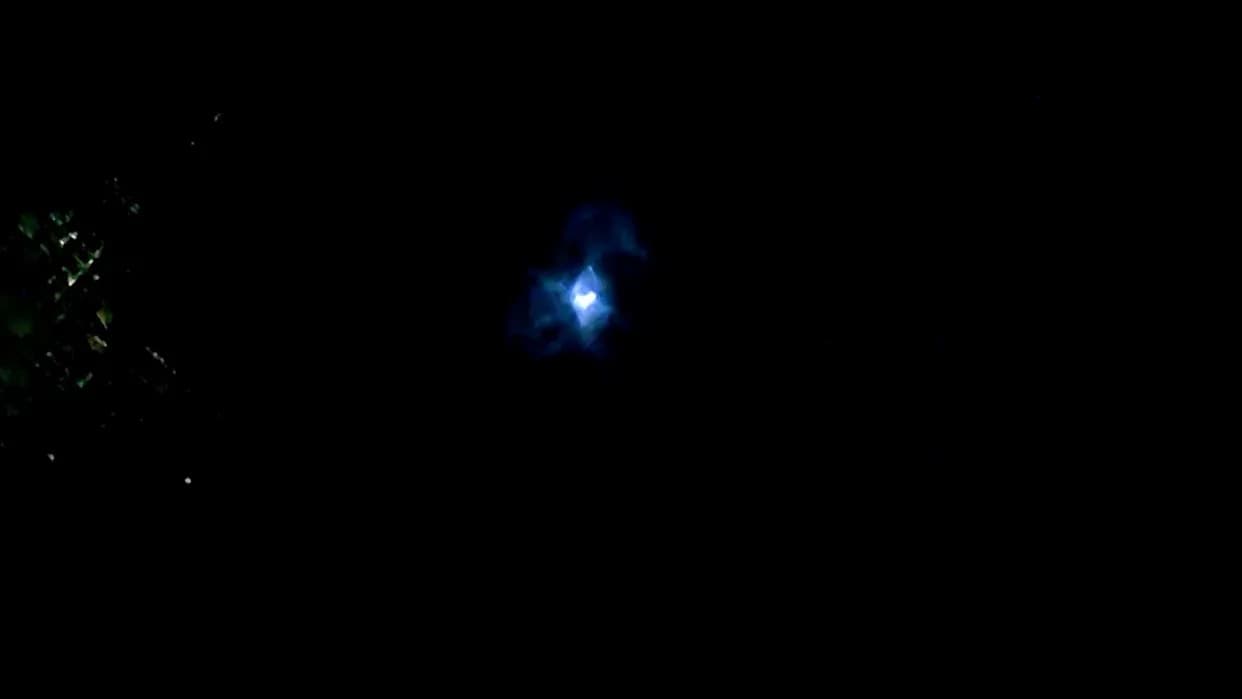
Lightning from Plains storms lights up Earth on space cam. See video
Powerful thunderstorms near Wichita, Kansas, produced repeated lightning that lit the night sky on May 5, 2026 — a display bright enough to be recorded from low Earth orbit. Video from the Sen SpaceTV-1 camera system aboard the International Space Station, distributed by Getty Images, shows rapid, bright pulses of lightning flashing across large storm tops as the station passed over the central United States.
What the Space View Shows
From orbit, lightning rarely looks like a single bolt striking the ground. Instead, intense flashes often appear as broad, bright pulses that illuminate entire storm complexes from within. The SpaceTV-1 cameras are configured to capture these high-energy atmospheric events, giving researchers an unusual vantage point on the structure and electrical activity of severe storms.
Why Scientists Care
Scientists analyze space-based imagery like this to improve understanding of storm structure, lightning frequency and how electrical energy propagates through large storm clusters. Observations from the International Space Station can also inform models of the upper atmosphere, helping to protect communication systems, satellites and aircraft during severe weather. NASA has highlighted the value of station-based images in documenting atmospheric phenomena and tracking how the planet changes over time.
Space station observations help scientists study Earths upper atmosphere and improve weather models and operational responses, NASA says.
How Lightning Forms and What We Can See From Orbit
Lightning forms when collisions among ice particles, water droplets and hail inside a thunderstorm separate electrical charges, typically concentrating positive charge near the cloud top and negative charge near the base. When the imbalance becomes large enough, a rapid electrical discharge occurs between regions of charge or between cloud and ground, according to the National Oceanic and Atmospheric Administration.
Most lightning strokes are extremely brief, but channels can extend for miles. Strong Plains thunderstorms often reach 8 to 12 miles high, pushing into the upper troposphere, and the largest organized systems can produce electrical activity visible from orbit. Visibility depends on cloud thickness, storm height, the timing of flashes, ambient light and the sensitivity of the observing instruments; flashes buried deep in clouds or too weak may not register from space.
Notable Records
The World Meteorological Organization documents a 2017 lightning megaflash that stretched 515 miles across the southern United States, an extreme example of how widespread electrical activity can become in very large storm systems.
Footage and Reporting
The Sen SpaceTV-1 video offers a complementary view to ground-based radar and lightning detection networks, helping researchers monitor severe weather and study atmospheric electricity on large scales. The footage was reported by Brandi D. Addison for USA TODAY and distributed via Getty Images.
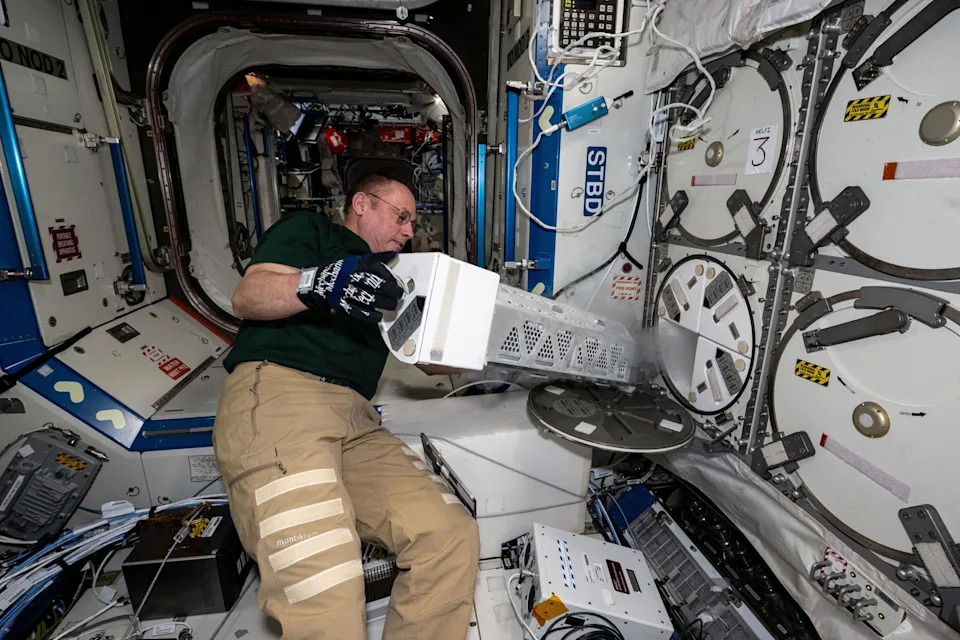
NASA astronaut Mike Fincke inserts a cryogenic storage unit containing research samples into a science freezer for preservation and later analysis on the International Space Station.
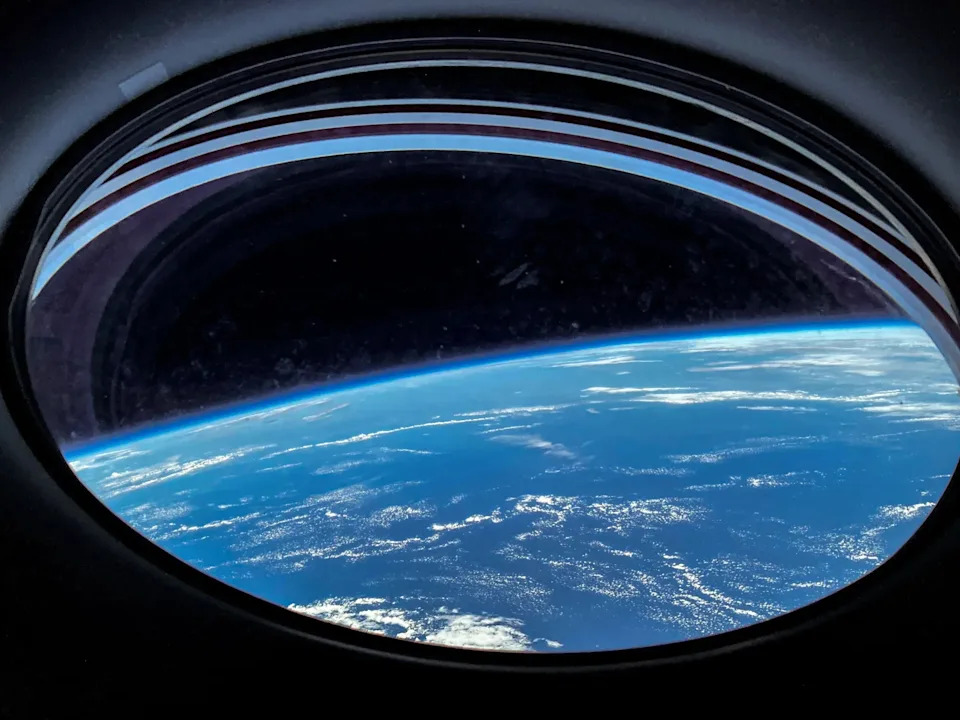
This view of Earth was captured from a window on a SpaceX Dragon spacecraft as it approached the International Space Station.
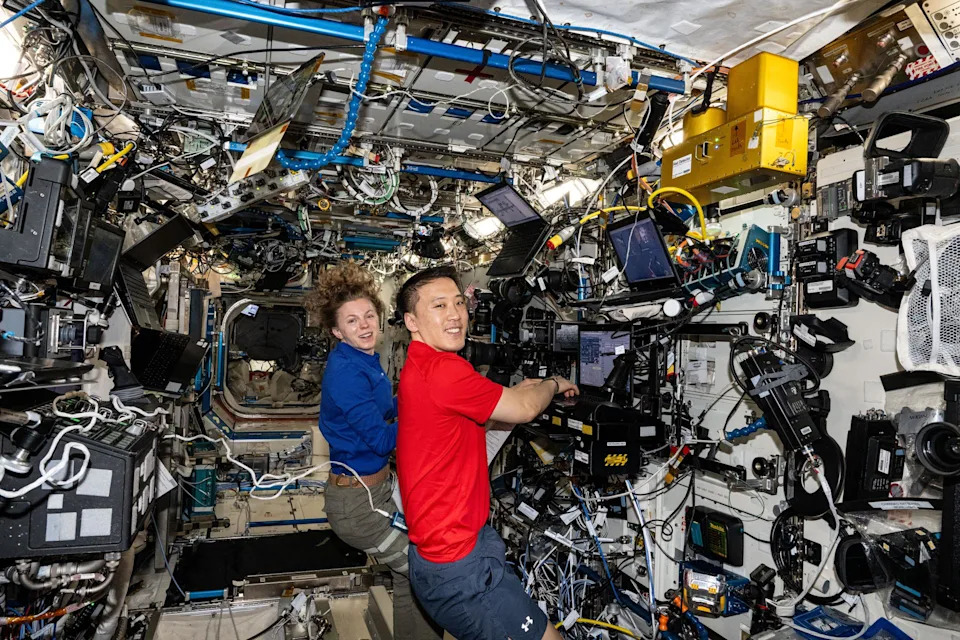
NASA astronauts Zena Cardman and Jonny Kim practice using a robotic arm on the Destiny laboratory module’s robotics workstation on the International Space Station. Kim used the device in September to capture Northrop Grumman’s Cygnus XL cargo craft as it arrived at the outpost.
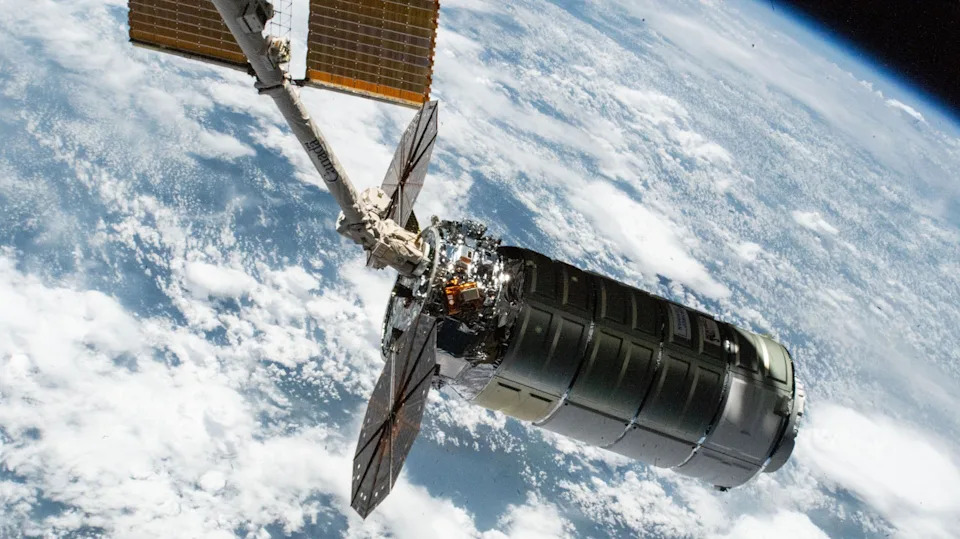
Northrop Grumman’s Cygnus XL cargo craft, carrying over 11,000 pounds of new science and supplies for the Expedition 73 crew, is pictured in the grips of the International Space Station’s Canadarm2 robotic arm following its capture.
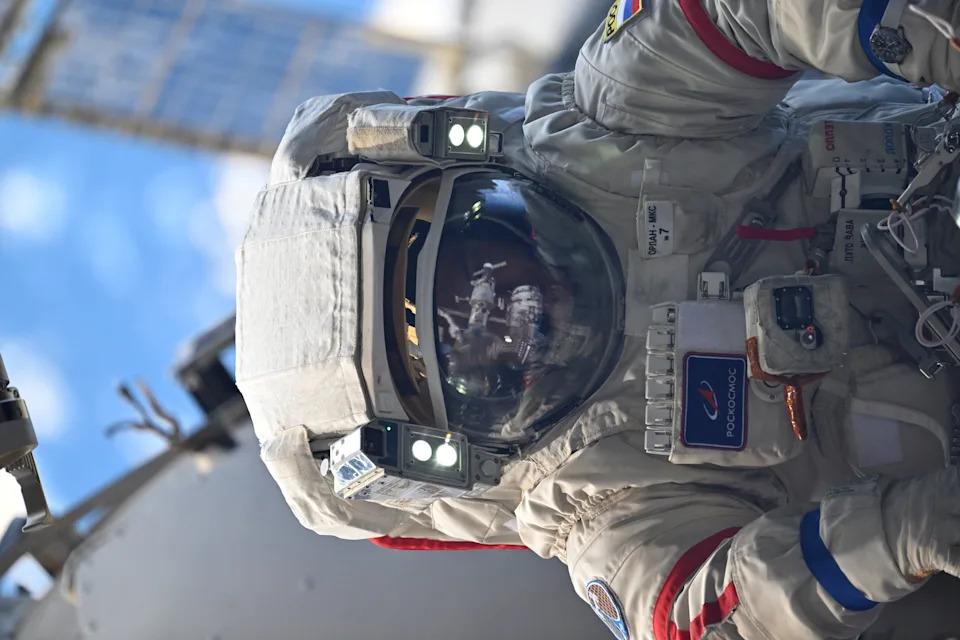
Roscosmos cosmonaut Sergey Ryzhikov conducts a spacewalk Oct. 16 outside the International Space Station.
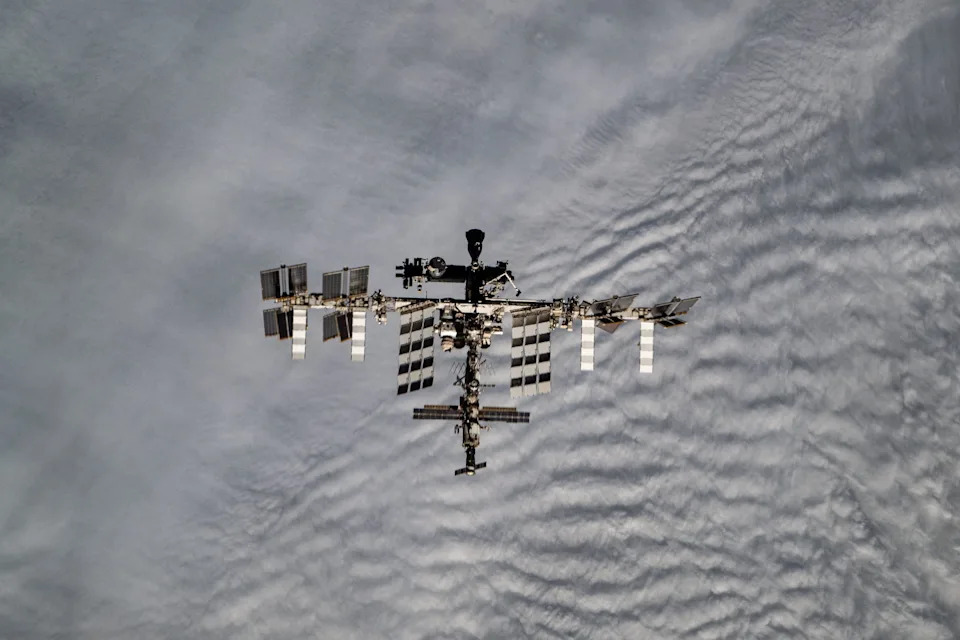
The International Space Station is seen from the Crew 8 SpaceX Dragon during undocking in October 2024.
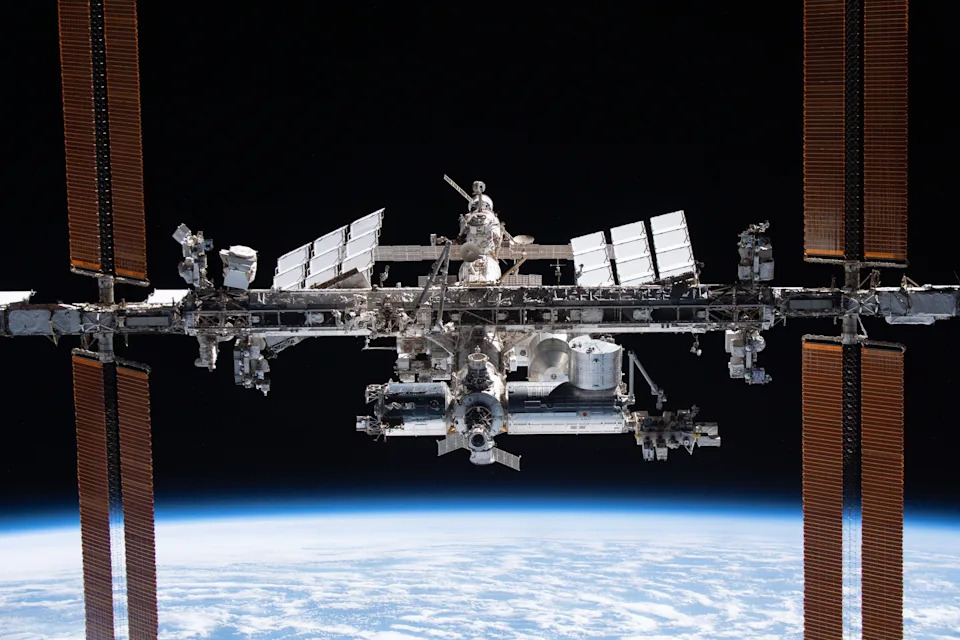
The International Space Station as seen in Nov. 2021 from astronauts aboard a SpaceX Dragon.
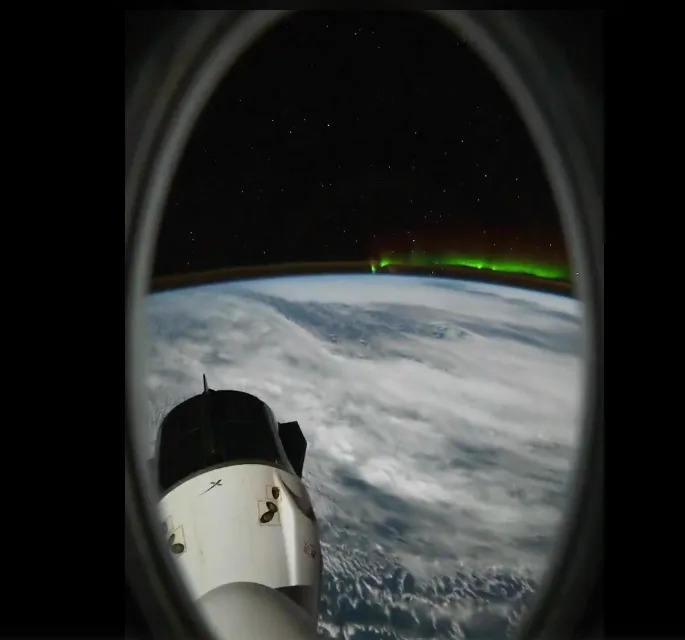
This still from a video captured by NASA astronaut Zena Cardman, a member of Crew-11, from the International Space Station shows auroras above the South Pacific Ocean. Cardman took the footage from a SpaceX Dragon capsule that was docked at the time.
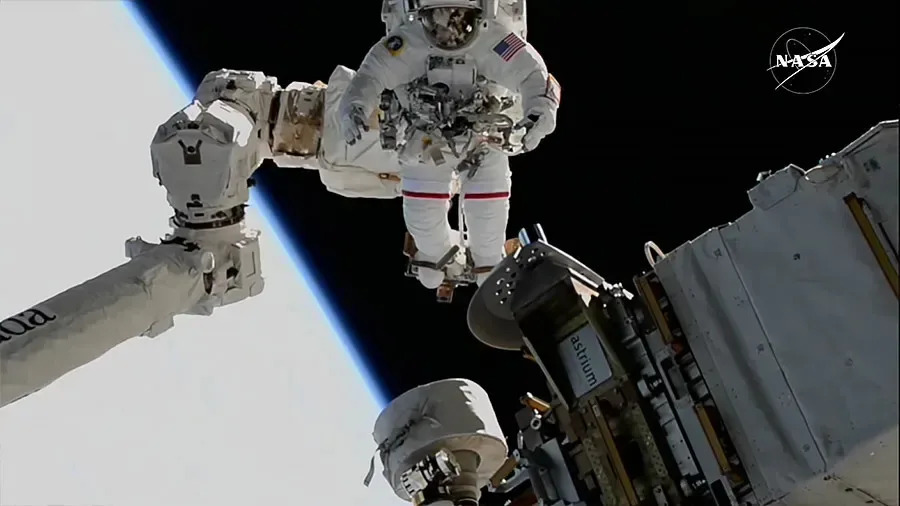
NASA astronaut and Expedition 72 Commander Suni Williams is pictured Thursday, Jan. 30 during her second spacewalk of the month. In this photo, Williams is attached to the tip of the Canadarm2 robotic arm as the International Space Station orbits 260 miles above Earth.
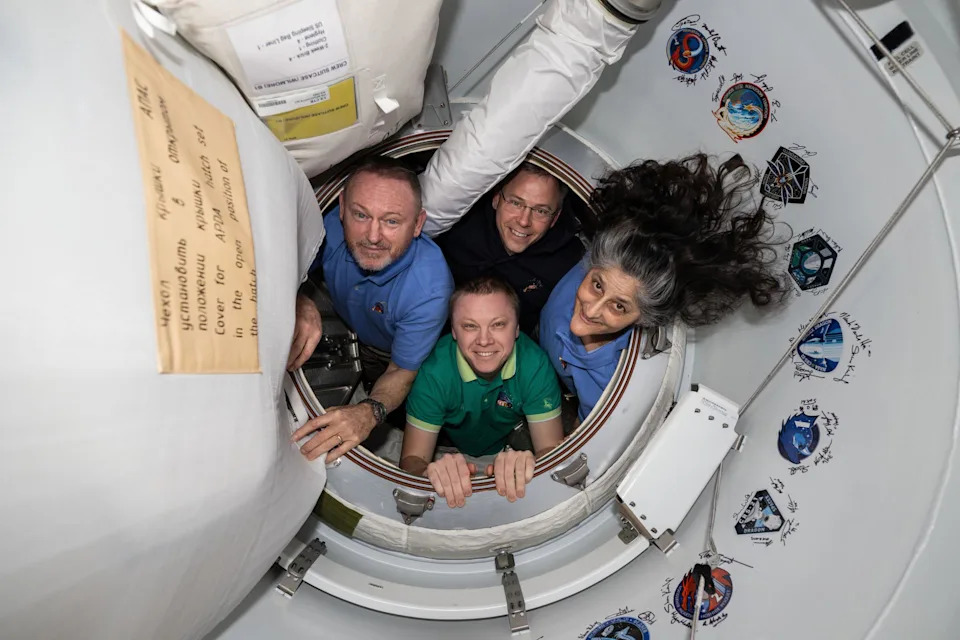
NASA’s SpaceX Crew-9 members pose together for a portrait inside the vestibule between the International Space Station and the SpaceX Dragon crew spacecraft. Clockwise from left, are NASA astronauts Butch Wilmore, Nick Hague, and Suni Williams, and Roscosmos cosmonaut Aleksandr Gorbunov.
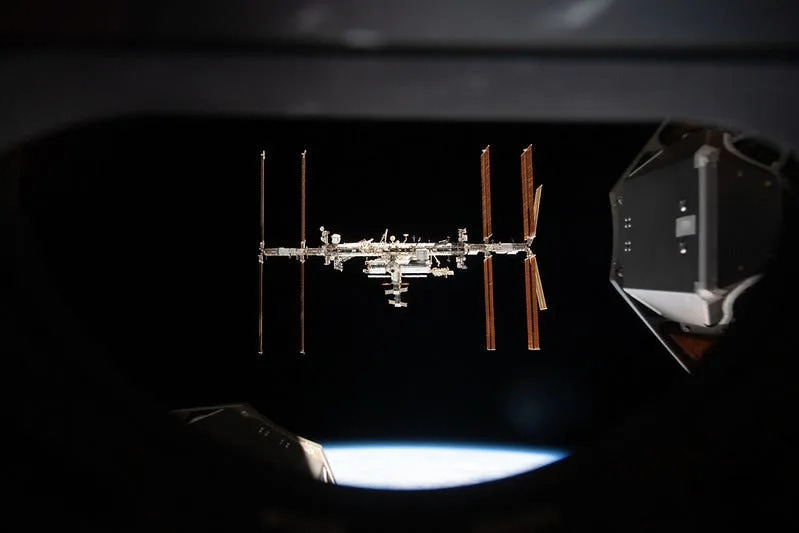
The International Space Station is pictured from inside a window aboard the SpaceX Crew Dragon Endeavour during a fly around of the orbiting lab that took place following its undocking from the Harmony module’s space-facing port on Nov. 8, 2021.
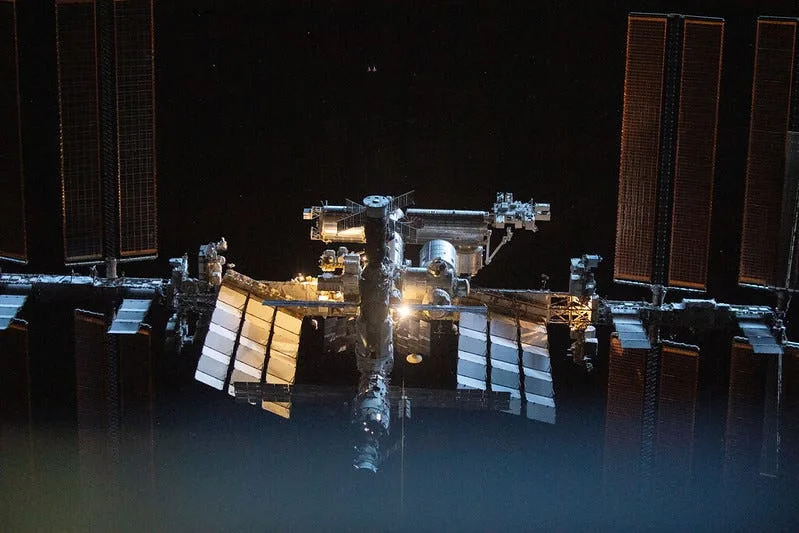
The International Space Station is pictured from the SpaceX Crew Dragon Endeavour during a fly around of the orbiting lab that took place following its undocking from the Harmony module’s space-facing port on Nov. 8, 2021.
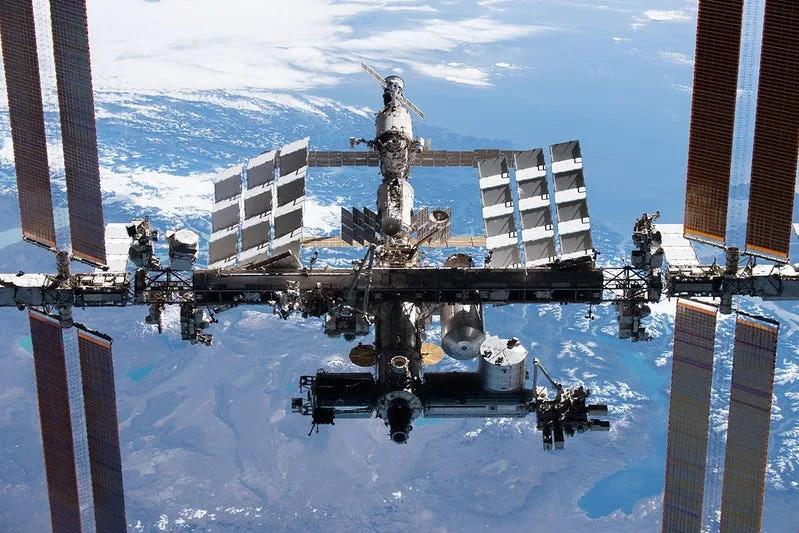
The International Space Station is pictured from the SpaceX Crew Dragon Endeavour during a fly around of the orbiting lab that took place following its undocking from the Harmony module’s space-facing port on Nov. 8, 2021.
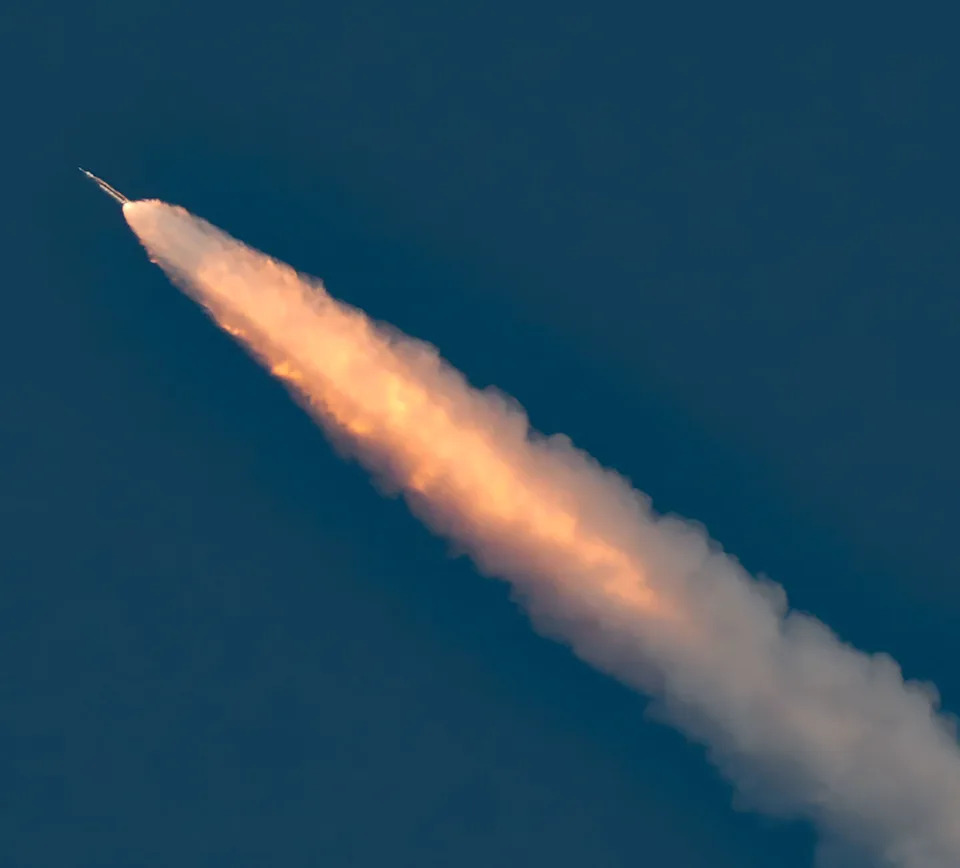
The Artemis II mission launches April 1 from the Kennedy Space Center in Cape Canaveral, Florida. The four-person crew aboard the Orion spacecraft hitched a ride to orbit atop NASA's giant 322-foot Space Launch System rocket. Launching atop 8.8 million pounds of thrust, the SLS is the most powerful rocket NASA ever launched, about 17% more powerful than the iconic Saturn V rocket used during the Apollo era.
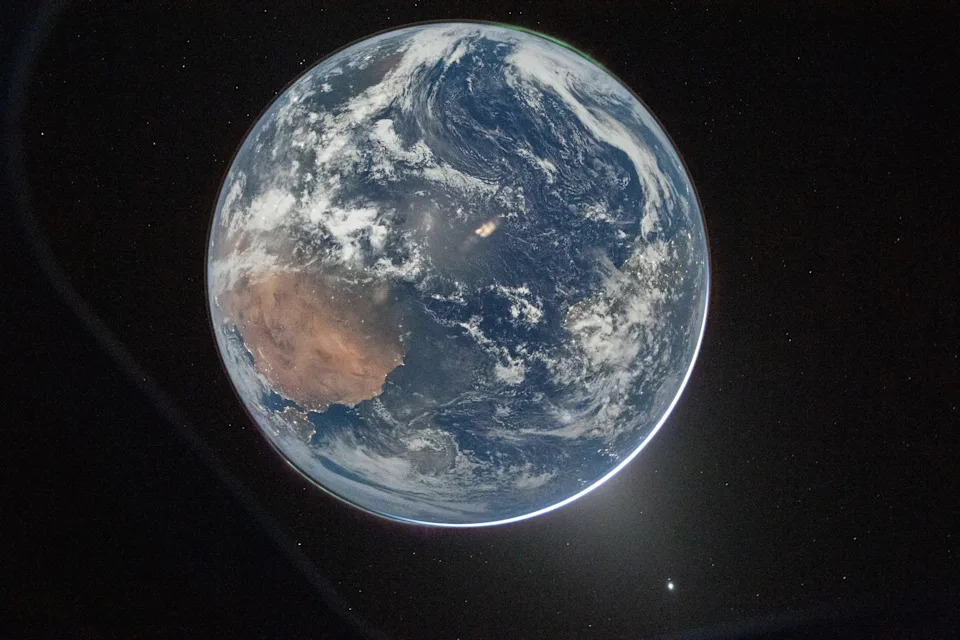
Artemis II Commander Reid Wiseman of NASA took this stunning photograph of Earth from the Orion spacecraft's window on April 2. The image is reminiscent of the iconic "blue marble" image captured during the Apollo 17 mission in 1972.
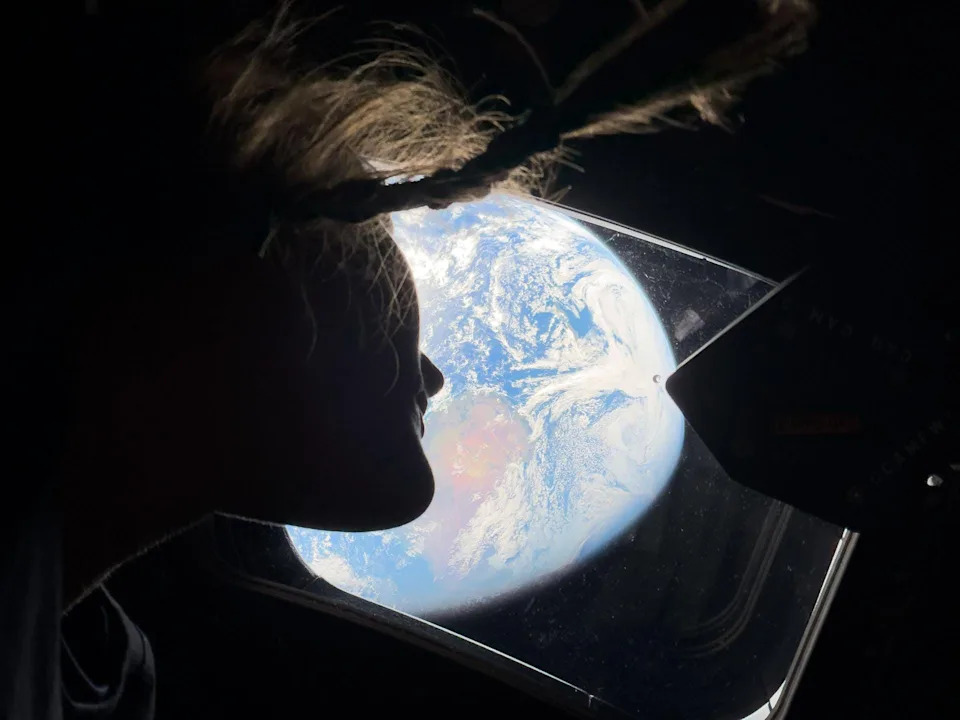
NASA astronaut Christina Koch, a mission specialist on Artemis II, gazes out the windows of the Orion vehicle back at Earth as she and the crew head toward the moon. Koch, who already holds several NASA records from her first spaceflight in 2019 to the International Space Station, became the first woman to fly on a lunar mission.
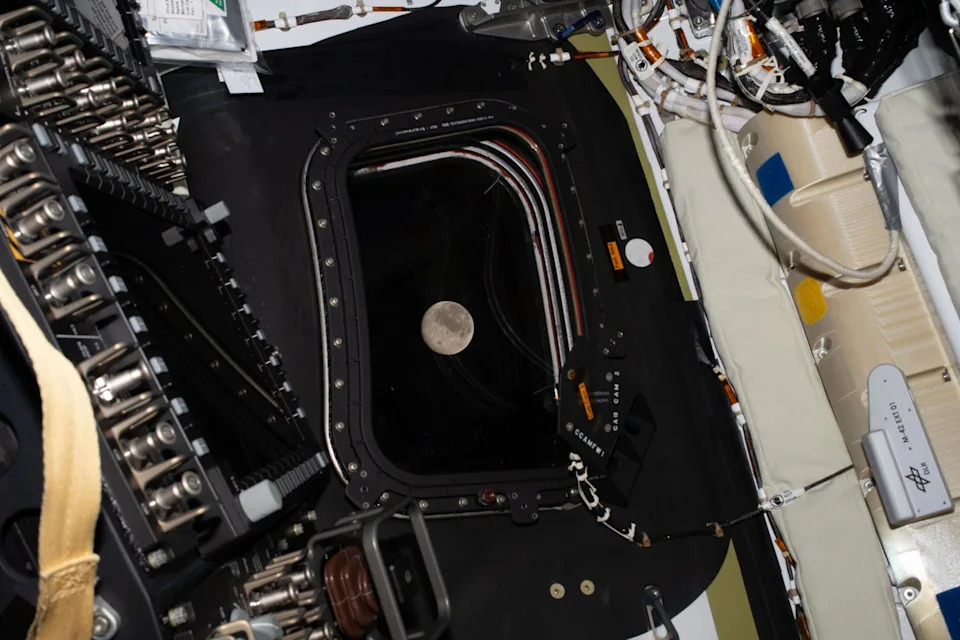
Before going to sleep April 5, the Artemis II crew snapped one more photo of the moon, as it drew close in the window of the Orion spacecraft. Shortly after, the astronauts entered the lunar sphere of influence, where the pull of the moon's gravity became stronger than Earth's.
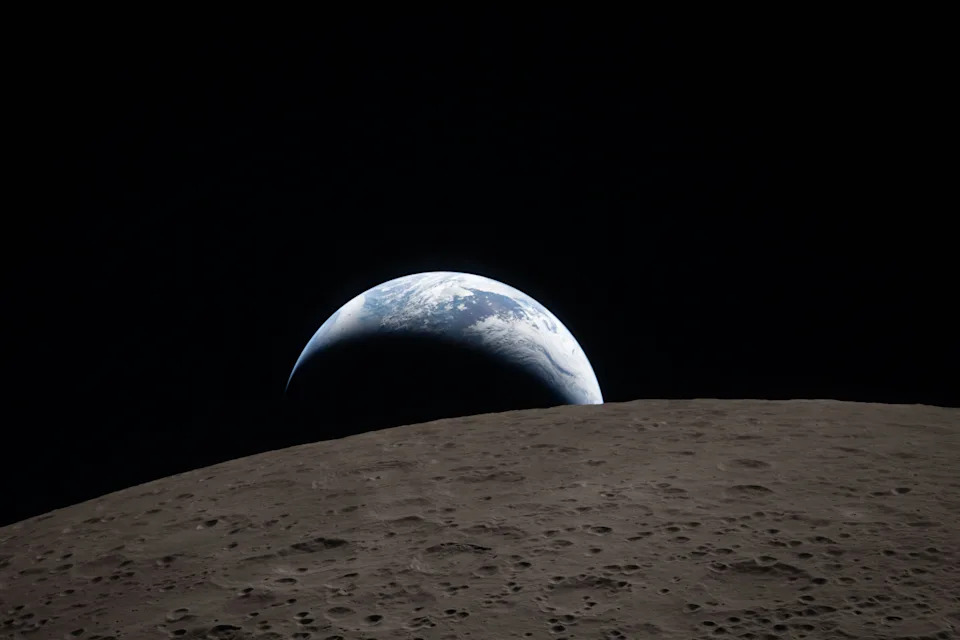
The crew of Artemis II captured a breathtaking image of a celestial event known as an "Earthset," in which the Earth dropped below the lunar horizon. The image is reminiscent of the iconic "Earthrise" photo that NASA astronaut Bill Anders captured in 1968 during the Apollo 8 mission that showed our planet rising on the lunar horizon.
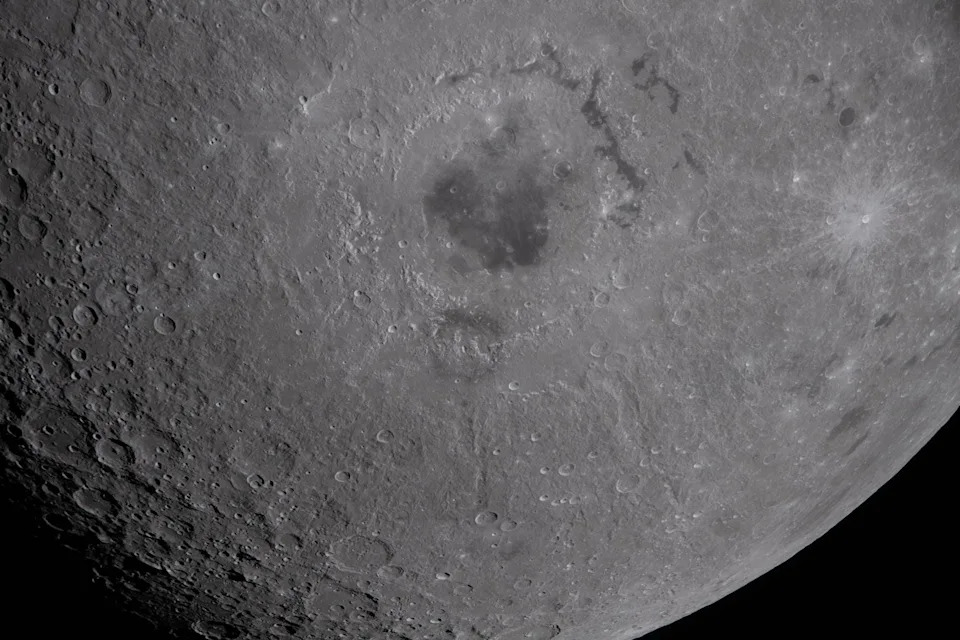
Of the impact craters, ancient lava flows and other lunar features the Artemis II astronauts observed during an April 6 flyby, a crater known as the Orientale basin was perhaps the most prominent. Spanning nearly 600 miles, the 3.8 billion year old crater (seen in the upper center of this photo) had never been seen with the naked eye prior to the mission.
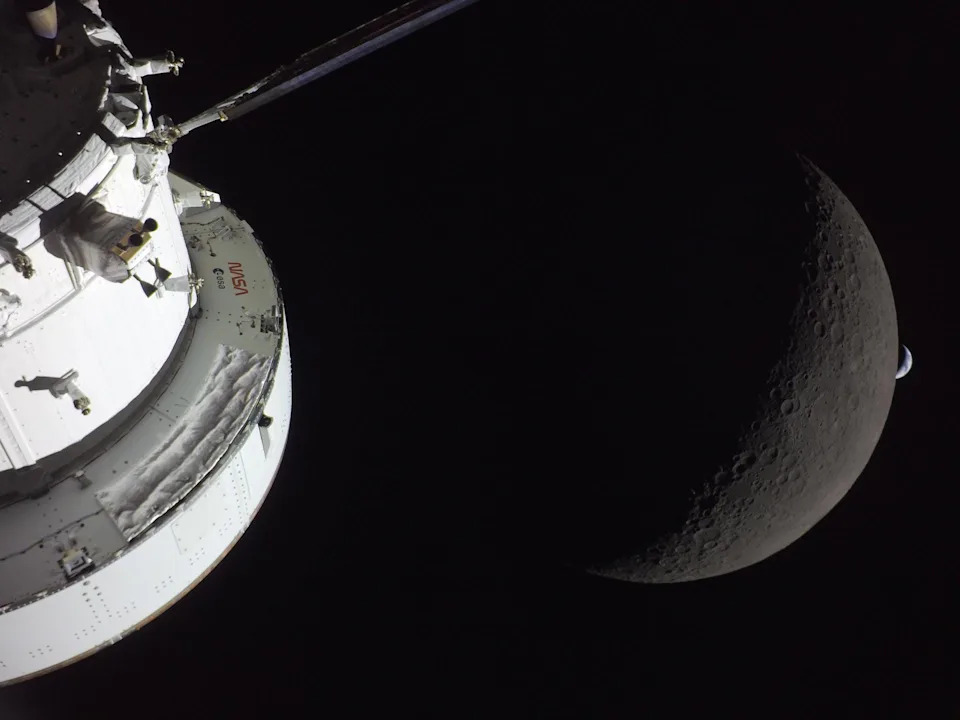
The Orion spacecraft the Artemis II astronauts were aboard is captured in the same frame as both the moon and Earth in this photo captured about four hours into the historic April 6 flyby.
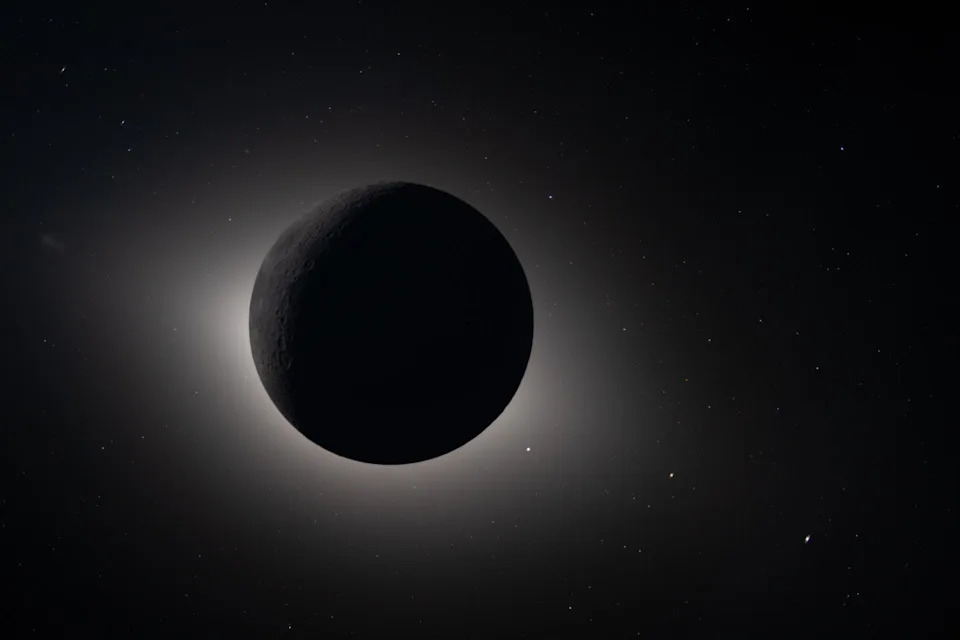
This image shows the moon fully eclipsing the sun from the vantage of the Orion spacecraft, not unlike what millions of people witnessed in April 2024 from Earth. From the crew’s perspective, the moon appeared large enough to completely block the sun, creating nearly 54 minutes of totality and revealing our star's elusive outermost layer, known as the corona.

The crew members of Artemis II embrace following the historic lunar flyby April 6, during which the astronauts flew farther from Earth than anyone in human history while seeing sights of the moon's far side never seen in person.
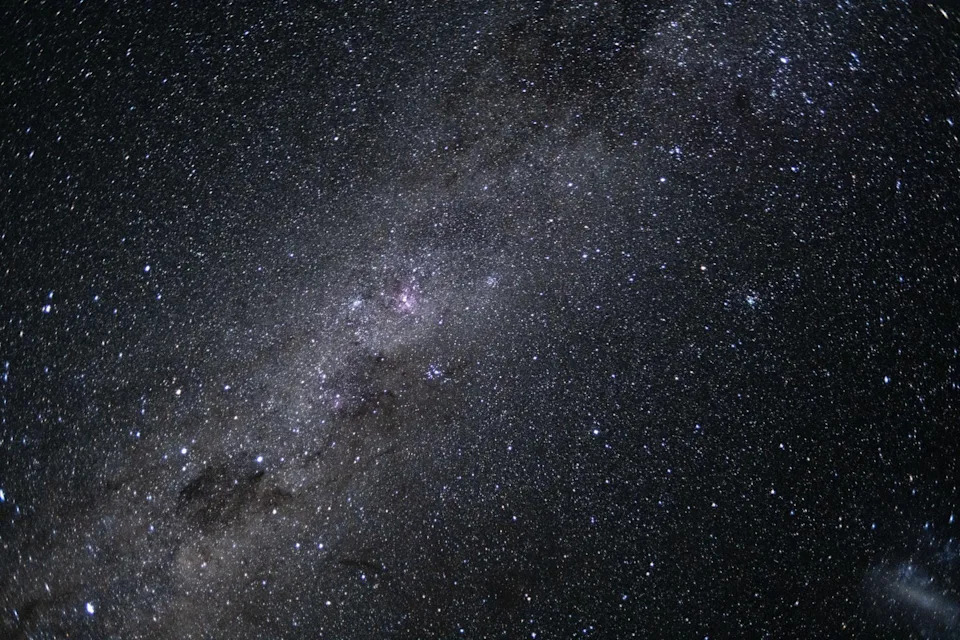
The Artemis II crew captured this breathtaking photo of our galaxy, the Milky Way. Spanning more than 100,000 light-years, Earth is located along one of the galaxy’s spiral arms, about halfway from the center.
Help us improve.