The Lebanese Health Ministry reports 51 people, including two medical workers, were killed in Israeli strikes in the last 24 hours, bringing the toll since March 2 to 2,846. The ministry says health points in Qalawiya and Tibnin were directly targeted, and the UN counts at least 103 medical workers killed and 230 injured in more than 130 strikes. Witnesses and aid workers describe constant danger for first responders and mass displacement of over 1.2 million people despite a US-brokered ceasefire.
51 Killed in Lebanon in 24 Hours — Medics Among Dead as Attacks Continue Despite Ceasefire
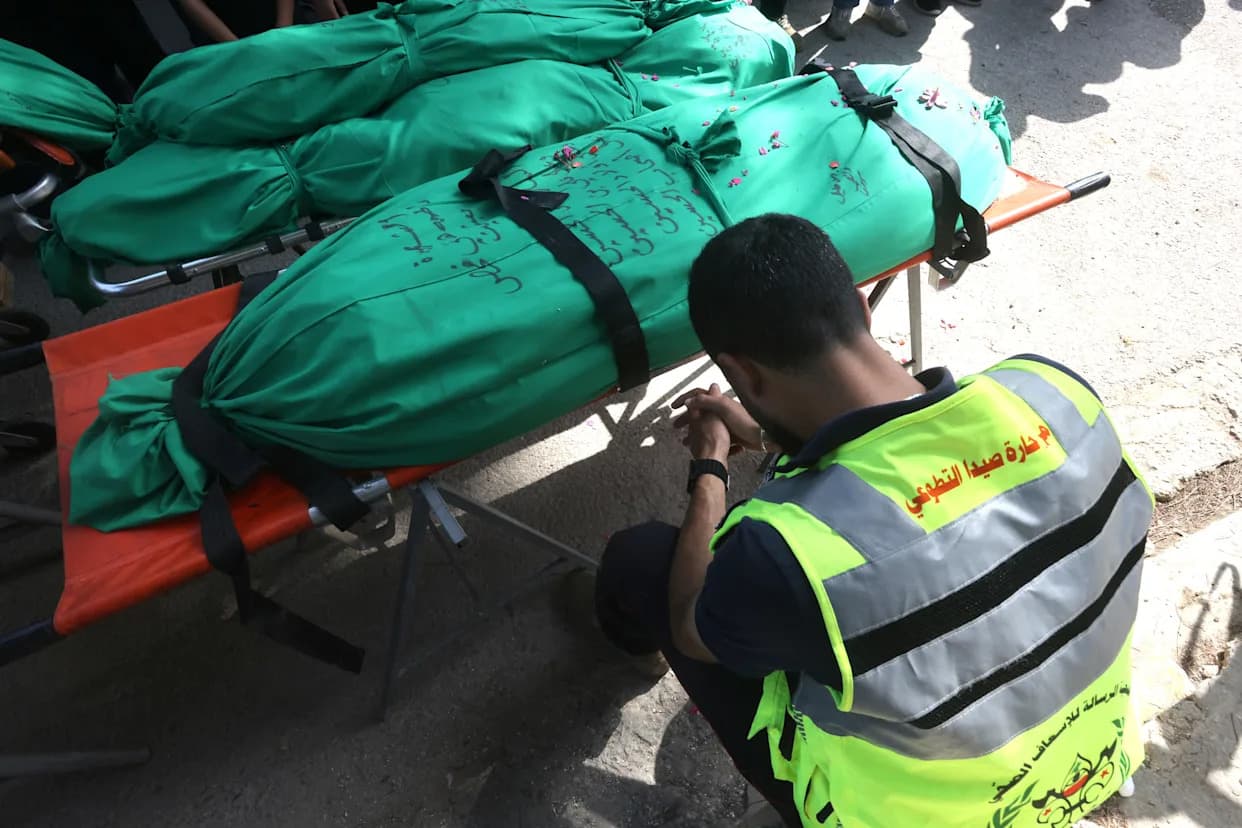
At least 103 Lebanese medical workers have been killed by Israeli forces since March 2 [AFP]
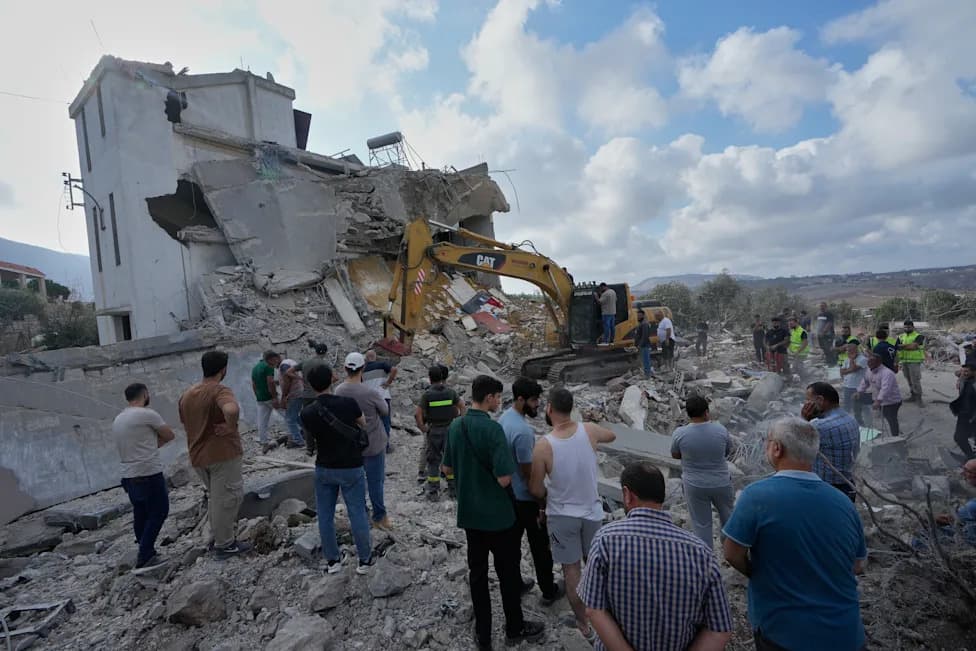
The Lebanese Health Ministry says Israeli strikes over the past 24 hours killed 51 people, including two medical workers, in attacks that the ministry says directly struck health facilities in southern Lebanon.
Locations hit: The ministry accused Israeli forces of targeting two Health Authority sites in Qalawiya and Tibnin, in the Bint Jbeil district, describing the incidents as violations of international humanitarian law.
The ministry reported that the overall death toll in Lebanon has reached 2,846 since March 2, when Israeli forces launched a new military operation. The United Nations says at least 103 Lebanese medical workers have been killed and 230 injured in more than 130 strikes since that date.
Voices From The Front Line
"We’re under threat every second, every day," Ali Safiuddin, head of the Lebanese Civil Defence in Tyre, told Al Jazeera. "We ask ourselves if we’re going to survive or if we’re going to die—we know we’ve already given up our lives by working here. We’ve lost so many people and it feels like we’re already gone as well."
Al Jazeera reporter Obaida Hitto noted that international humanitarian law explicitly protects medical personnel and first responders, but on this front line responders fear the next strike more than the next report: "The question isn’t whether another strike is coming. It’s how many people will be left to answer the calls for help."
Dr Tahir Mohammed, a war surgeon and humanitarian worker who has served in both Gaza and Lebanon, told Al Jazeera he saw consistent patterns in the attacks on healthcare workers: "I’ve had colleagues, nurses, medical students killed by Israeli weapons, and so to see the same policy of targeting healthcare workers in Lebanon … it’s consistent." He added that Israel appears intent on controlling southern Lebanon and that civilians and responders have paid the price.
More than 1.2 million Lebanese have been displaced since March 2. Although a United States-brokered ceasefire went into effect on April 16 and has entered its third week, strikes and deadly incidents have continued, according to local authorities and the Health Ministry.
Humanitarian concerns remain acute: Health workers, civil defence teams and hospitals face repeated danger while essential services and displacement needs grow. International agencies continue to call for protection of civilians and medical personnel and safe access for humanitarian assistance.
Help us improve.