Pro‑Palestinian activists in Brisbane used John Farnham's "Two Strong Hearts" as a protest anthem after Queensland passed a law banning slogans such as "From the river to the sea" and "Globalize the intifada" when used to menace, harass or offend. The law, enacted after a deadly Bondi Beach attack, has led to 25 arrests and prompted claims it chills political speech. Activists staged flash mobs, murals and merchandise in response and plan a High Court challenge arguing the ban infringes political communication protections.
Queensland Flash Mob Reclaims John Farnham Karaoke Hit After Slogan Ban
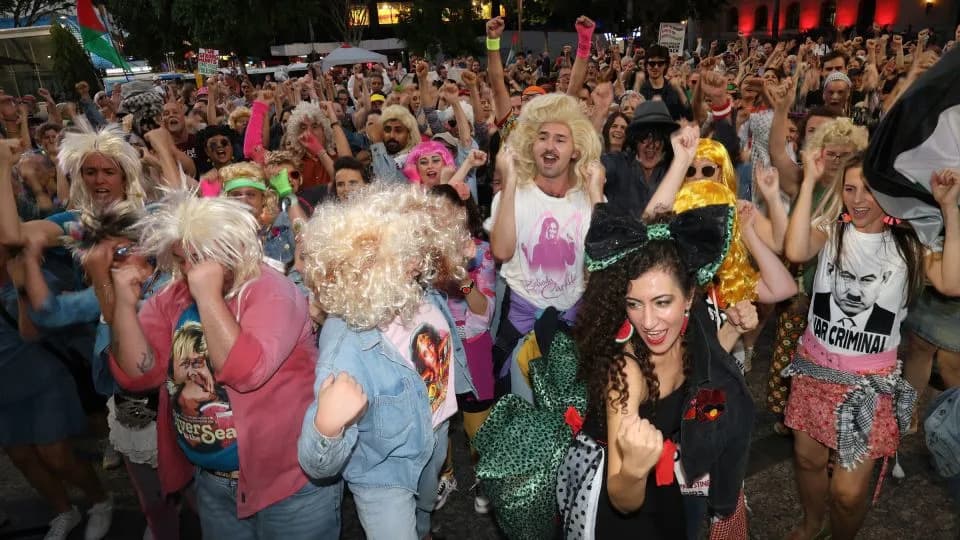
Protesters staged a flash mob in Brisbane on Friday, April 21, Brisbane, Queensland. - Alex Bainbridge
A flash mob filled Brisbane's King George Square in double denim and blond wigs, dancing and singing John Farnham's 1980s hit "Two Strong Hearts" after activists noticed a lyrical echo of a political slogan recently banned by Queensland's government.
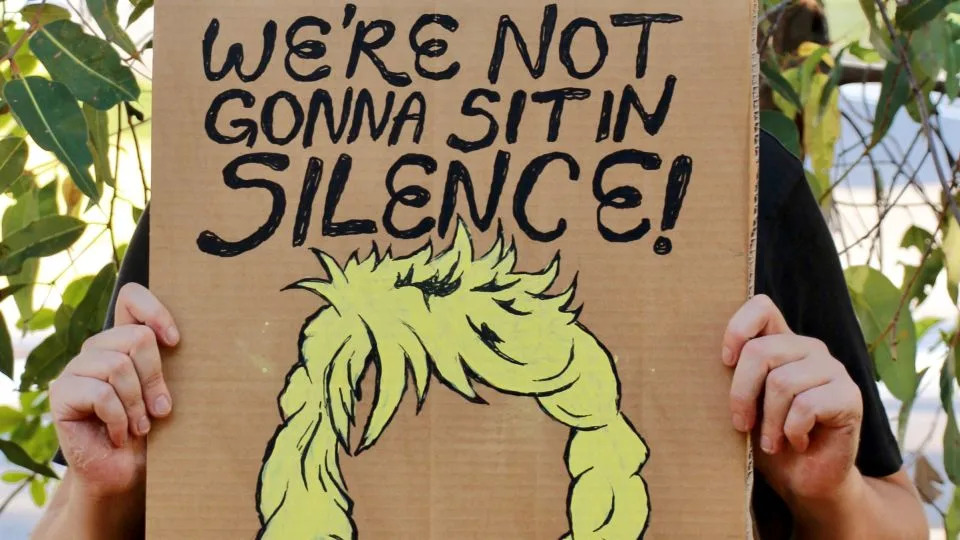
Artists James Hillier aka Nordacious got a call from Queensland Police over Farnsey images sold on his website. "We're not gonna sit in silence" references another Farnham song. - James Hillier
What Happened
Pro‑Palestinian demonstrators adopted the Farnham ballad as an unofficial anthem following the introduction of new state hate‑speech legislation that outlaws certain slogans — notably "From the river to the sea" and "Globalize the intifada" — when used to menace, harass or offend. So far, authorities have arrested 25 people under the law.
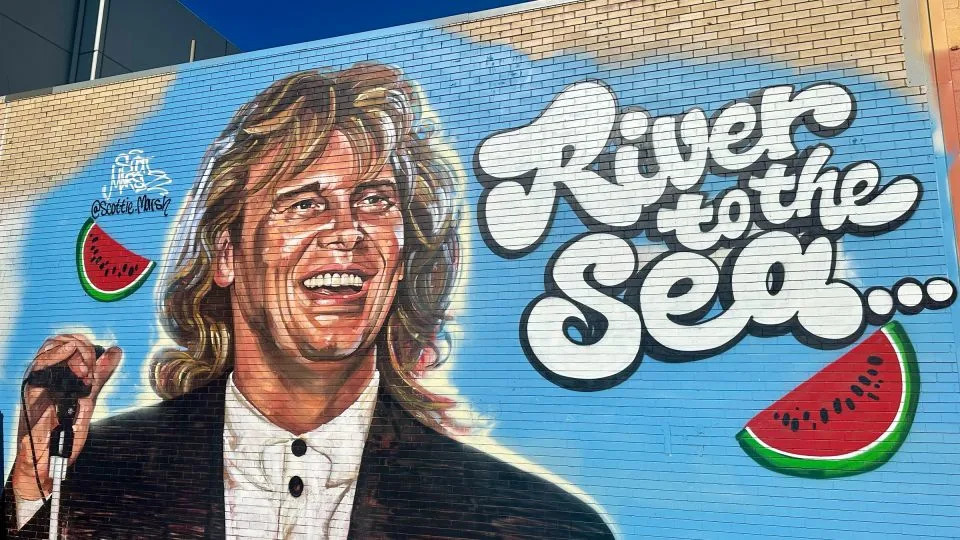
Artist Scott Marsh covered a wall in a Brisbane car park with John Farnham's image and the words "River to the Sea". - Scott Marsh
"We've got two strong hearts
Reaching out together like a river to the sea"
Organisers said the flash mob was intended as a joyful, nonviolent act of protest to highlight what they view as the law's chilling effect on political speech. No one was arrested at the musical demonstration, which organisers framed as protected artistic expression.
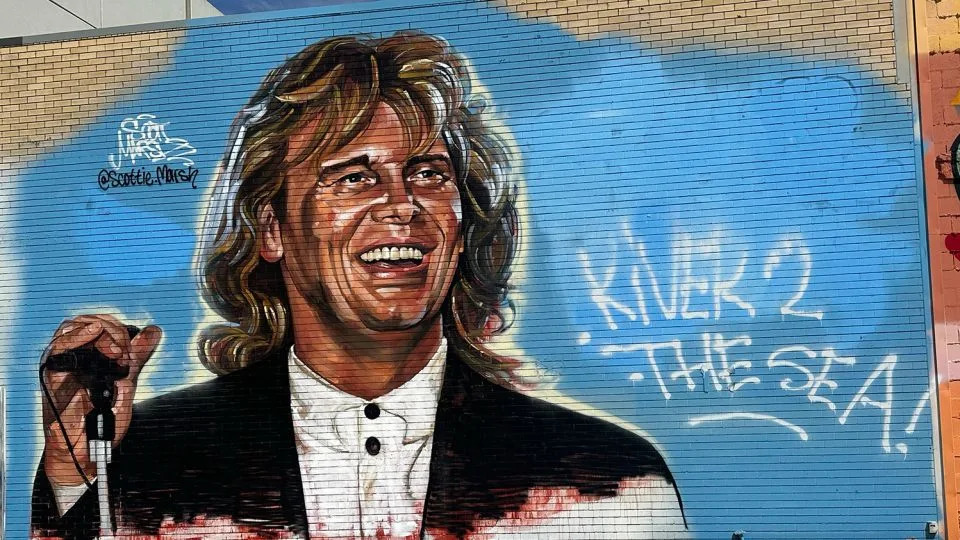
It was later defaced with blue paint to erase the Palestinian-related elements but the slogan was later repainted. - Scott Marsh
Legal And Political Context
The legislation was fast‑tracked in Queensland following a deadly shooting at a Jewish event in Bondi Beach, Sydney, that killed 15 people. The government described the measures as necessary to curb rising antisemitic violence and to protect communities. Critics — including protesters and some legal experts — argue the law could infringe Australia’s implied freedom of political communication and unfairly target one viewpoint.
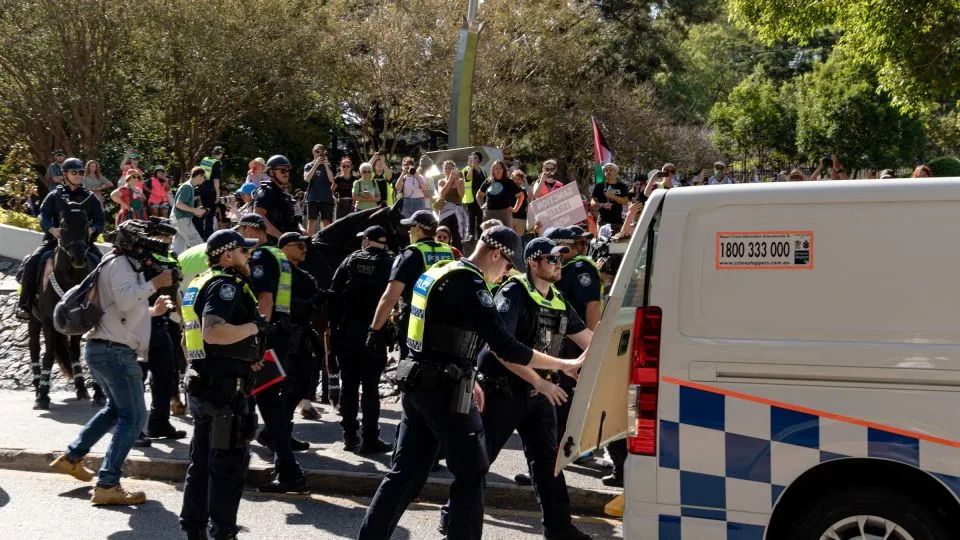
Police moved in to arrest people for saying the banned phrase at a protest on Saturday April 18 in Brisbane, Queensland. - Elias Boyle
Queensland’s law includes carve‑outs for "genuine artistic, religious, educational, historical, legal or law enforcement purpose(s)" and for conduct deemed to be in the public interest. Nonetheless, activists say the risk of prosecution has chilled protests and public displays of solidarity.
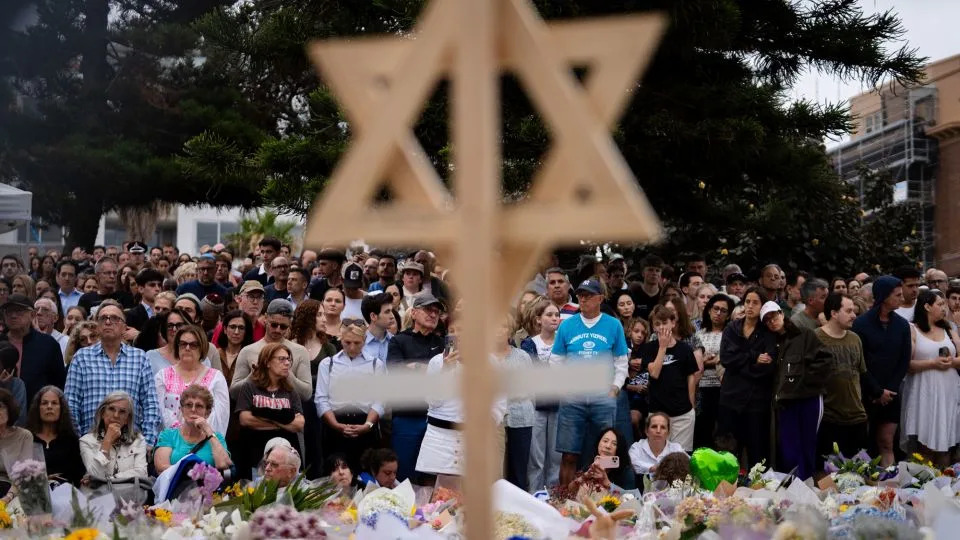
People participate in a candlelight vigil at Bondi Pavilion at Bondi Beach on December 16, 2025 in Sydney, Australia. - Audrey Richardson/Getty Images
Artists, Activists And Reactions
Local artists responded with murals, T‑shirts and public artworks riffing on Farnham's image and the contested phrase. Some merchandise was removed after police contact, and at least one mural was defaced and later reworked amid heated debate. Farnham's representatives told media that use of the original sound recording requires permission and appropriate licensing: "There are currently no such permissions or licenses in place for the use of this sound recording."
Next Steps
Protesters plan further demonstrations and have announced a High Court challenge arguing the law breaches constitutional protections for political communication. Legal scholars say there is a plausible argument that the ban may be struck down or narrowed on constitutional grounds, though courts will ultimately decide how the legislation is applied.
The dispute in Queensland has also influenced discussions in other Australian states, where officials are weighing whether similar measures are appropriate amid a broader international debate over the boundaries between hate speech and political expression.
Help us improve.