
The atomic bombings of Hiroshima and Nagasaki created an acute, high‑dose radiation event, yet shoots and grasses began reappearing within months and some trees—known as hibakujumoku—survived. A new review argues that survival reflected "constitutive resilience": preexisting genetic, biochemical and structural defenses rather than multigenerational adaptation. Species such as Ginkgo biloba, willows and hackberry resprouted from protected tissues and rhizomes. The authors recommend genomic and epigenetic studies to uncover mechanisms of extreme radio‑tolerance and inform resilience science.
How 'A‑Bombed' Trees Survived Hiroshima and Nagasaki: The Science Behind Rapid Regrowth
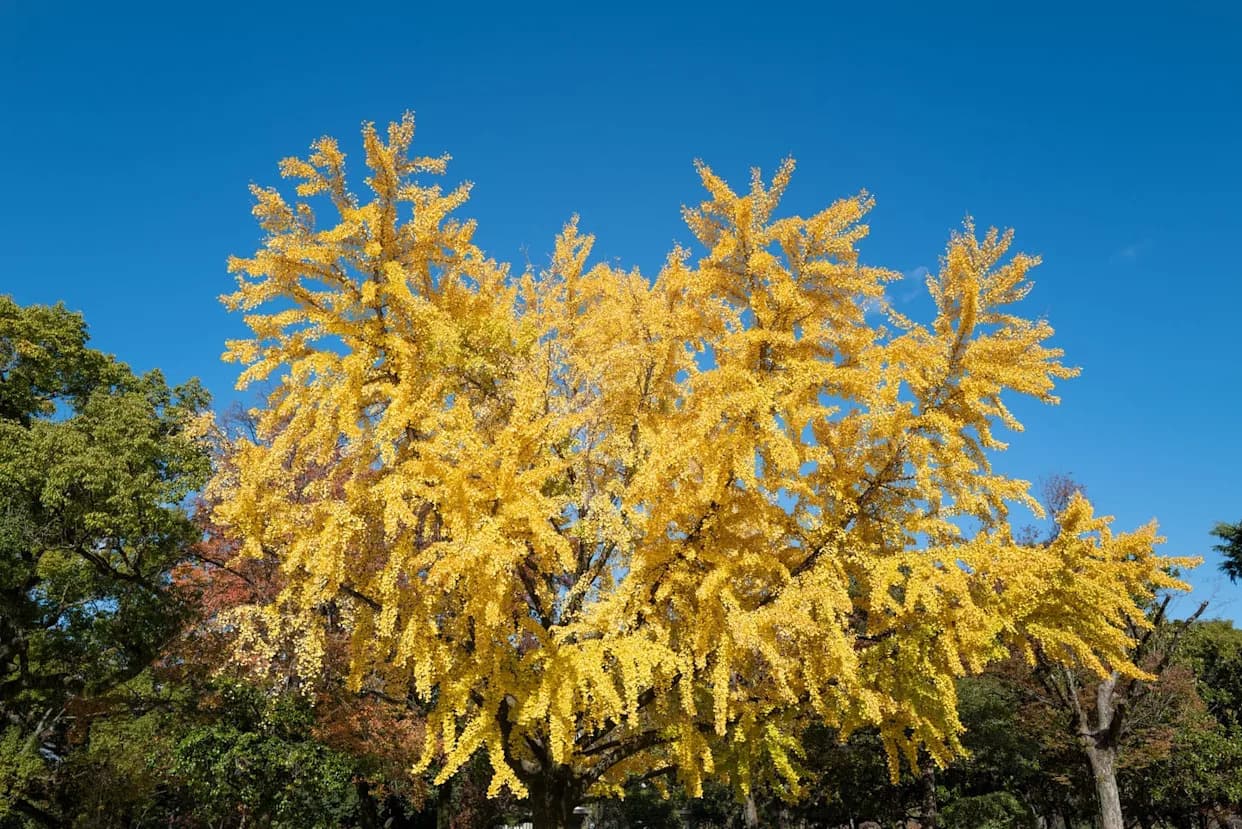
Taking a Closer Look at the Flora of HiroshimaFarzan Bilimoria - Getty Images
After the atomic detonations over Hiroshima and Nagasaki in August 1945, many observers expected vegetation around the blast sites to remain devastated for decades. Contrary to those expectations, shoots, grasses and even some trees began to reappear within months. A recent review in Progress in Biophysics and Molecular Biology examines why certain plants survived and how they regreened these cities so quickly.
Acute Radiation, Rapid Recovery
The review emphasizes a key distinction: the bombs produced an acute, high‑dose pulse of ionizing radiation followed by rapidly declining contamination, unlike the chronic low‑dose exposures seen at Chernobyl and Fukushima. At 8:15 a.m. on August 6, 1945, a US aircraft dropped "Little Boy" on Hiroshima (yield ~15 kilotons). Within seconds the heat near the hypocenter likely reached thousands of degrees Celsius and radiation in the most exposed zones measured on the order of hundreds of grays (Gy)—far above lethal human doses, which can begin around 5 Gy. Yet, despite these catastrophic local effects, some trees and plants endured.
Hibakujumoku: Living Symbols and Biological Archives
In central Hiroshima, the hibakujumoku—literally "A‑bombed trees"—stand as both historical symbols and biological case studies. The review suggests these survivors were not the product of rapid evolutionary change but rather of what the authors call constitutive resilience: preexisting biological traits and landscape protections that allowed individual plants to withstand an intense, short‑term insult.
"These trees are not merely historical relics; they are biological archives holding potential information on extreme radio‑tolerance," the authors write. "They represent a small fraction of the preexisting population that—because of fortunate position, genetic predisposition, or protective microenvironments—survived the catastrophe."
Mechanisms of Survival
Species such as Ginkgo biloba, weeping willow and Japanese hackberry resprouted from buds or seeds shielded by bark or soil. Grasses like Japanese silver grass recovered from rhizomes protected beneath the surface. The review highlights several likely mechanisms behind this resilience: robust DNA repair pathways, efficient antioxidant systems, and morphological or positional protections (for example, shaded trunks, deep roots, or soil cover) that reduced immediate damage.
Why This Matters
Because the atomic blasts delivered an intense but brief dose, survivors depended on existing, individual‑level defenses rather than on multigenerational adaptation seen in chronic exposure zones. The authors call for genomic, transcriptomic and epigenetic studies of hibakujumoku and other surviving plants to move from plausible hypotheses to mechanistic explanations. Understanding these systems could inform broader resilience science relevant to fires, pollution events and climate extremes.
Looking Ahead: Targeted molecular studies of these living survivors could reveal genetic and biochemical foundations of extreme stress tolerance—knowledge that may help conservationists and urban planners predict and foster resilience in contemporary ecosystems.
Help us improve.





















