Rights groups warn Iran may escalate repression after the national police chief threatened to treat protesters as "enemies" and open fire on those deemed aligned with foreign adversaries. The threat comes amid a war that reportedly began with an air strike killing Supreme Leader Ali Khamenei and other senior officials, following mass unrest in January that monitors say left thousands dead and tens of thousands detained. Norway-based Iran Human Rights and other organizations report ongoing arrests — including of activist Ghorban Abbasi — and warn the judiciary could impose harsher punishments, including executions.
New Crackdown Feared After Iran Police Chief Vows To Treat Protesters As 'Enemies'
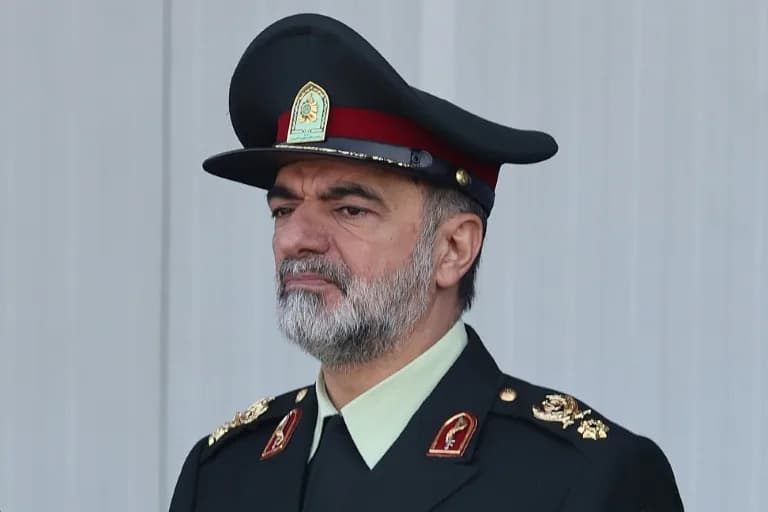
Iranian police chief Ahmad-Reza Radan implied that security forces would shoot on protesters (ATTA KENARE)(ATTA KENARE/AFP/AFP)
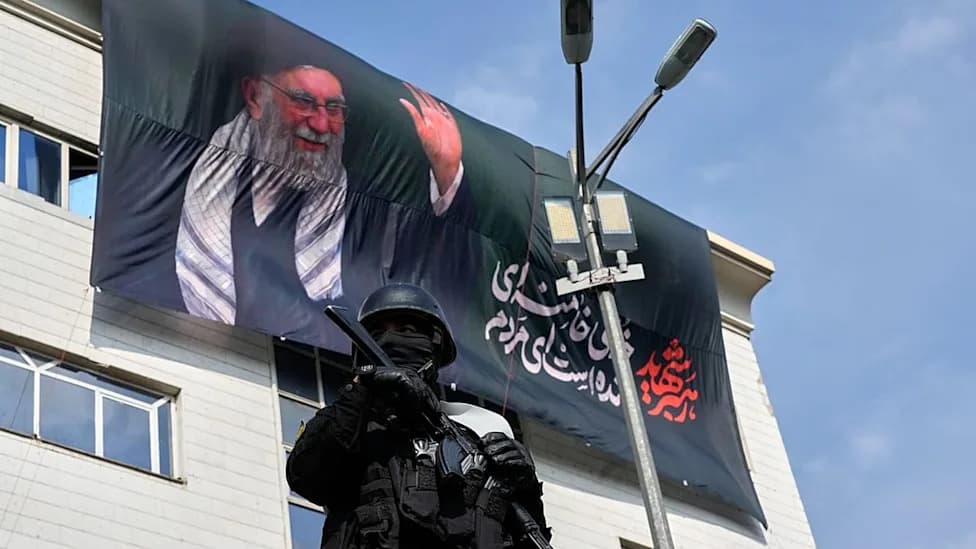
Campaigners and rights groups warn Iranian authorities may launch a fresh, brutal crackdown on dissent after the national police chief publicly threatened to treat protesters as "enemies" and to open fire on those who act "in line with the wishes of the enemy." The comments come amid an intense wartime environment that followed an air strike that reportedly killed Supreme Leader Ali Khamenei and other senior security officials.
Context And Recent Violence
Mass protests against Iran's clerical establishment peaked in January and, according to rights monitors, were met with a violent suppression that left thousands dead and tens of thousands arrested. The US-based Human Rights Activists News Agency (HRANA) has recorded more than 7,000 killings during that crackdown, while multiple groups report over 50,000 arrests.
Threats From Security Officials
National police chief Ahmad-Reza Radan told state television IRIB:
"If anyone comes forward in line with the wishes of the enemy, we will no longer see them as merely a protester, we will see them as an enemy... All our forces are also ready, with their hands on the trigger, prepared to defend their revolution."Radan — a prominent official who had earlier been mistakenly reported killed in an Israeli strike — is among several senior figures who have survived the opening phase of the current conflict.
Ongoing Repression During Wartime
Norway-based Iran Human Rights (IHR) reported continued arrests of civil society activists despite wartime conditions. It said sociologist and activist Ghorban Abbasi was detained in Naghadeh, West Azarbaijan province, and taken to an undisclosed location. IHR director Mahmood Amiry-Moghaddam warned that the authorities treat the domestic political opposition as the regime's "real existential threat."
Judiciary Response And Execution Risk
The judiciary, led by Gholamhossein Mohseni Ejei, has vowed harsh punishments for those arrested in the January unrest, including capital sentences. According to IHR, Iran carried out more than 1,500 executions in 2025, making it one of the world's most prolific executioners after China. Rights advocates fear that if the regime survives the war, it may respond with even harsher repression — mass arrests, intensified crackdowns and further executions of political detainees and protesters.
Voices And Public Reaction
Nobel laureate Shirin Ebadi condemned the police chief's remarks, saying the comment signalled a readiness to kill citizens rather than protect them. In Tehran, AFP-verified footage showed people chanting against Mojtaba Khamenei after he was named supreme leader; in exile, Reza Pahlavi urged supporters to stay home and await further instructions. State television circulated warnings aimed at deterring fresh unrest.
What To Watch
Observers will be monitoring detention reports, the scale of any renewed crackdowns on protests, and judicial sentences against political detainees. Rights groups and international monitors say continued arrests during wartime are a sign that the security apparatus retains the capacity and intent to suppress dissent even amid external conflict.
Note: This report consolidates accounts from human rights groups, media footage verified by AFP and statements broadcast by Iranian state media. Figures and claims from NGOs are cited as reported.
Help us improve.