The Trump administration is divided over how forcefully to warn the public about Iran-linked domestic threats after two violent incidents raised fresh concern. Some officials favor more transparent, frequent alerts; others urge caution to avoid provoking public panic while law enforcement investigates. Reports that an interagency intelligence draft was held up added to the dispute, but White House and FBI spokespeople say no information was blocked. President Trump has downplayed immediate danger while stressing monitoring efforts and the need for DHS funding.
A Lack of Consistency: Inside the White House Debate Over Iran-Linked Domestic Threat Warnings
As two violent incidents this month heightened concerns about domestic security, the Trump administration is engaged in an internal debate over how to warn the public about potential homegrown threats tied to the war with Iran.
What Officials Say
The administration has circulated law-enforcement bulletins warning of possible "lone‑wolf" attacks and cyber-enabled threats as the conflict with Iran continues. But multiple people with direct knowledge told Semafor there is a sharp disagreement inside the White House over how bluntly to communicate risks to the American public.
"There's just a lack of consistency," one administration official told Semafor. "Some things need to actually be addressed rather than the normal strategy of just calling everything fake outrage."
When asked to explain the administration's public messaging, that official sent a photo of the sinking Titanic — a metaphor they said reflected a gap between law enforcement's assessment and the White House's external communications.
Recent Incidents And Intelligence
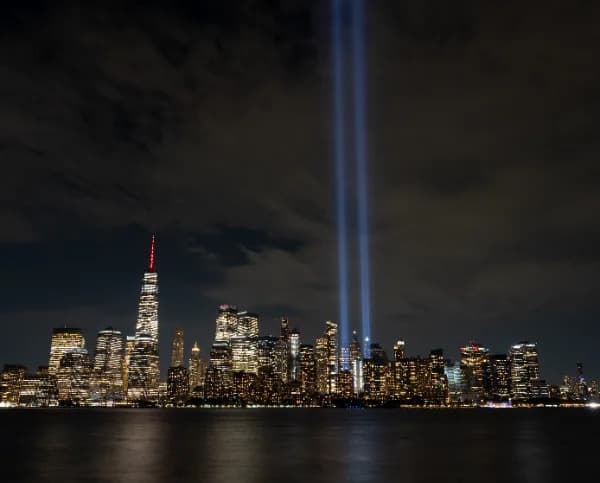
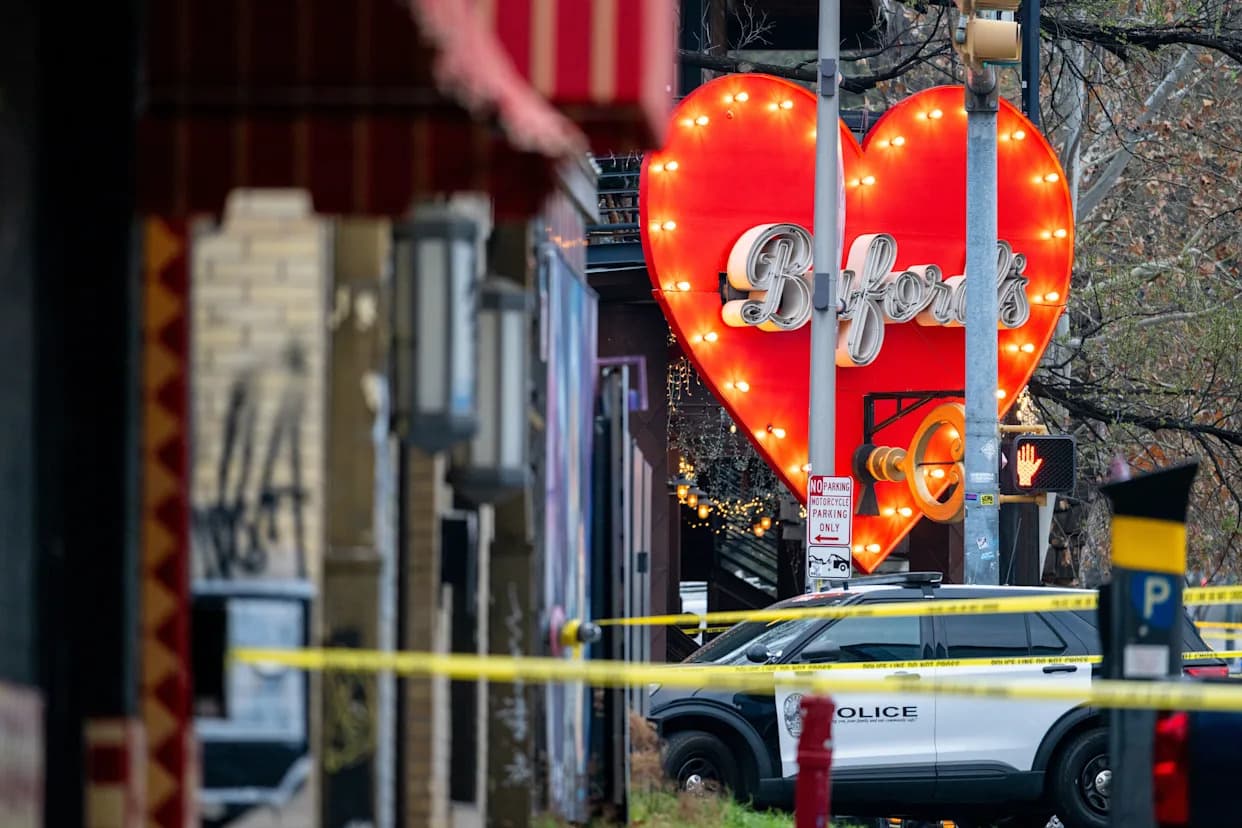
The debate follows a deadly shooting in Texas earlier this month and a separate incident in New York City described by police as an "ISIS-inspired" attack. The FBI is investigating the Texas shooting for possible terrorism ties; reports say the shooter was wearing a shirt bearing an Iranian-flag design.
U.S. agencies also intercepted communications this week believed to have originated in Iran that, according to reporting, could "trigger" sleeper cells. That intercept reportedly prompted requests for increased monitoring of suspicious radio-frequency activity.
The Memo Controversy
Reports that the White House blocked release of a draft interagency intelligence memo — compiled by the FBI, the Department of Homeland Security (DHS), and the National Counterterrorism Center (NCTC) — intensified the internal debate. Critics said withholding the memo limited state and local authorities' awareness of an elevated threat level; administration officials disputed that characterization.
A third official told Semafor the memo was a draft and underwent a standard interagency review. The official also said the draft "noted that there was no identified specific threat to the general public."
White House spokeswoman Abigail Jackson said "nothing was blocked" and that the president's aides are coordinating closely to ensure information is accurate and properly vetted. An FBI spokesperson likewise said draft law-enforcement memos are routinely coordinated with partners and that timing can change to allow for interagency input, adding that no one has "blocked" anything.
Balancing Transparency And Public Calm
At the heart of the dispute is a familiar tension: officials who favor rapid, open updates versus those who caution that real-time disclosures could spur needless panic while law enforcement investigates and takes protective actions.
"There are those who would much prefer to provide raw, real-time updates on everything that is happening in the moment — and then there's those who, understandably, do not want to encourage an unjustified panic as law enforcement does their jobs," a senior official said.
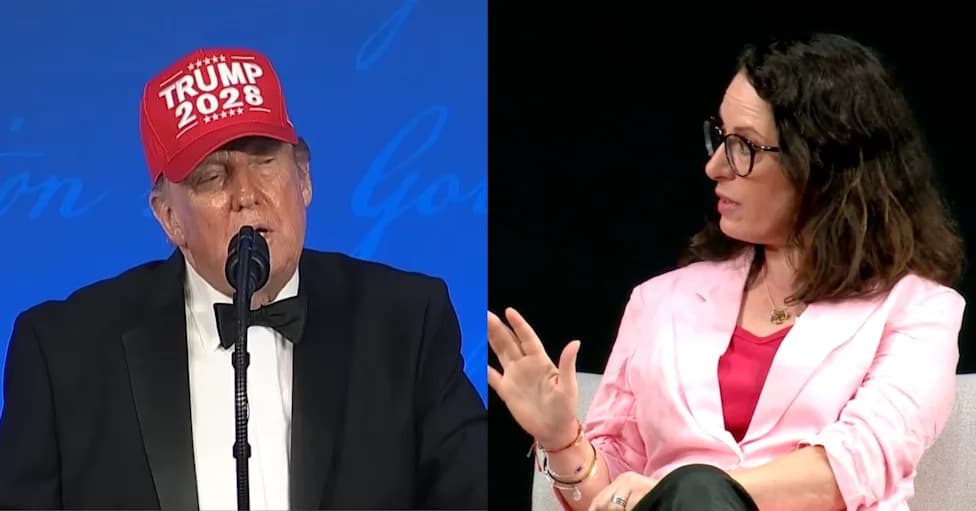
President Trump has publicly sought to tamp down fears. He told the Daily Wire earlier this month that Americans should not be overly worried about a rise in homeland terrorist threats and called the Texas shooter "just a whack job." On Monday, he said the administration is "very much on top of" reports of activated sleeper cells and emphasized the need to pass DHS funding for the remainder of the fiscal year.
Authorities also said that one of the two Pennsylvania men charged in the New York attack told investigators he wanted to cause damage "even bigger than the Boston Marathon bombing," the NYPD commissioner told CBS.
As debate continues inside the administration, officials say they are trying to strike a balance between timely information-sharing with partners and avoiding alarm that could hinder investigations or public order.
Help us improve.