On day nine, Israel reportedly escalated operations by striking Iranian oil and fuel sites, while attacks and interceptions continued across the Persian Gulf. Conflicting messages from Iranian officials suggest possible fractures in Tehran’s leadership amid reports that a new supreme leader may be chosen after the reported death of Ayatollah Ali Khamenei. The conflict has expanded regionally — including deadly raids in Lebanon, a strike in central Beirut, drone attacks across Gulf states, and drones downed over Erbil — and President Trump said US ground troops could be deployed only for a "very good reason."
Day Nine: Israel Shifts to Striking Iran’s Energy Sites as Regional Attacks Persist
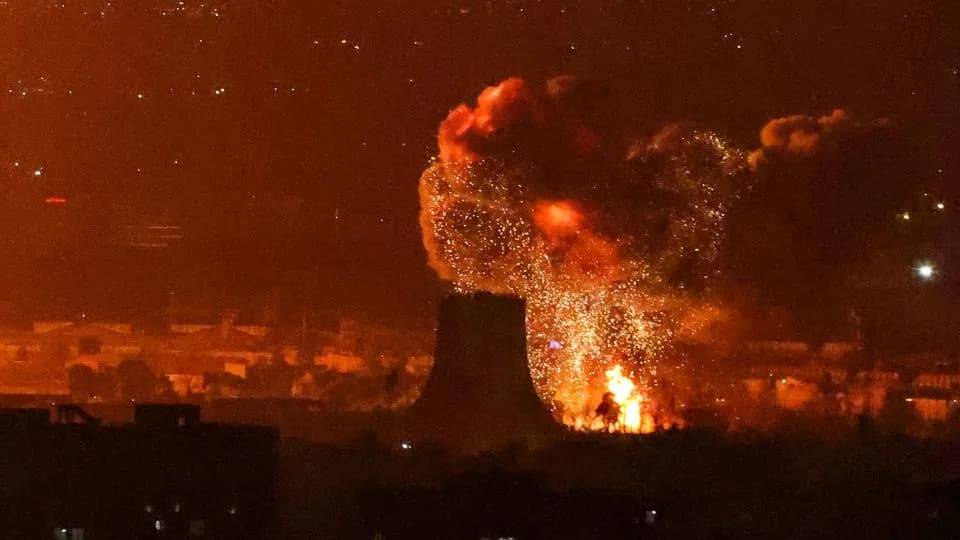
An explosion erupts following strikes near Azadi Tower close to Mehrabad International Airport in Tehran on March 7, 2026. - Atta Kenare/AFP/Getty Images
On the ninth day of the conflict, Israel’s campaign has reportedly moved into a new phase, with strikes now targeting Iranian energy infrastructure. The fighting and cross-border attacks have spread across the Middle East, prompting mixed messages from Tehran and warnings from Washington about possible further escalation.
Energy Infrastructure Targeted
An Israeli source told CNN that Israel has begun striking oil storage and fuel distribution facilities inside Iran. The Israeli military said it struck fuel sites in Tehran that distribute fuel “to various consumers, including military entities in Iran.” These strikes mark a shift in focus toward facilities that can affect Iran’s logistics and military supply chains.
Gulf States Under Continued Attack
Countries across the Persian Gulf reported drone and missile incidents into early Sunday, including interceptions and damage at key infrastructure sites. Kuwait’s army said a “wave of hostile drones” targeted fuel storage at the country’s international airport, while Saudi authorities reported multiple drone attacks. Debris from intercepted projectiles damaged the facade of a Dubai Marina high-rise, prompting evacuations — including CNN staff working in the city.
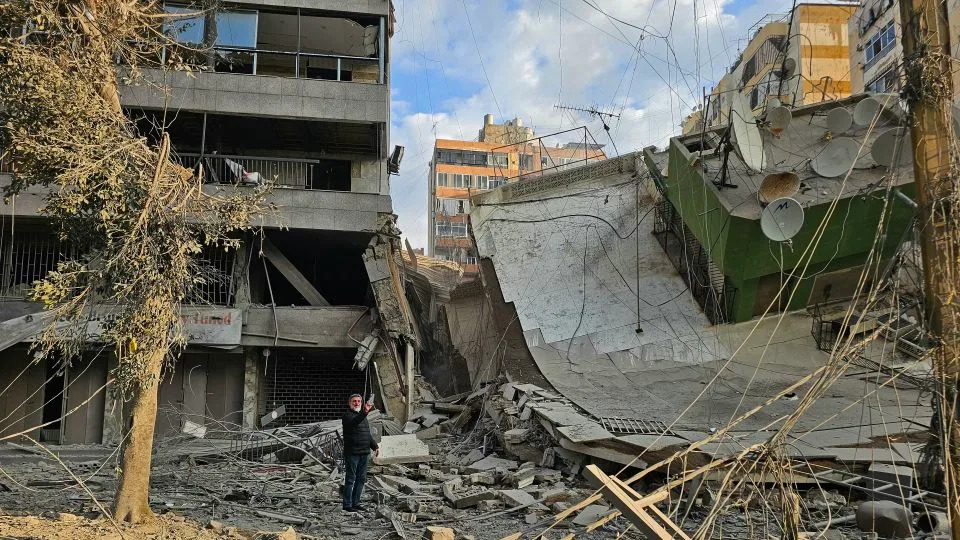
A man inspects the debris of destroyed buildings at the site of an Israeli airstrike that targeted Haret Hreik neighbourhood in Beirut's southern suburbs on March 7, 2026. - AFP/Getty Images
Leadership Turmoil in Tehran
Conflicting public statements from Iranian officials point to possible divisions within the ruling establishment. President Masoud Pezeshkian publicly apologized to Gulf states for recent strikes and indicated they would stop unless Iran was attacked, but his office later issued statements vowing to continue striking US targets in the region. Separate remarks from senior officials and state media have fueled reports that Tehran could select a new supreme leader within 24 hours following reports that Ayatollah Ali Khamenei was killed in the opening salvo of the war — a claim being treated as significant but still reported with caution by international outlets.
US Response and Possible Escalation
President Donald Trump said American ground troops could “possibly” be sent into Iran but insisted such a deployment would require a “very good reason.” He also said the US does not want Iranian Kurdish groups drawn into the fighting, contradicting earlier reporting about covert efforts to arm Kurdish forces.
“We’re not looking to the Kurds going in… we don’t want to make the war any more complex than it already is,” Trump said.
Regional Incidents and Casualties
Lebanese authorities reported that dozens of people were killed when Israeli commandos conducted a border raid searching for the remains of a missing airman. Reuters cited Lebanon’s health ministry reporting that at least four people were killed and 10 wounded after an Israeli strike hit a hotel in central Beirut — a strike Israel described as a “precise” attack on senior commanders of the Islamic Revolutionary Guard Corps’ Quds Force.
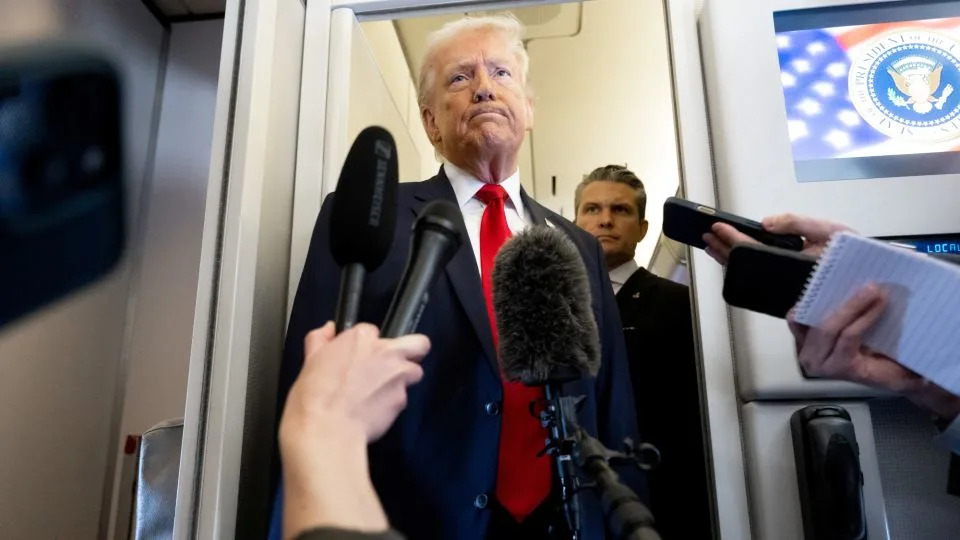
US President Donald Trump speaks with the media as Defense Secretary Pete Hegseth looks on aboard Air Force One during a flight from Dover, Delaware, to Miami, Florida, on March 7, 2026. - Saul Loeb/AFP/Getty Images
A security source told CNN that two explosive-laden drones were shot down over the Iraqi Kurdish city of Erbil at about 11 p.m., the same time local teams reported loud explosions and air defenses firing. Across the region, authorities reported multiple interceptions of drones and missiles, underscoring the conflict’s widening footprint.
Attribution Disputes
Tensions over responsibility for civilian casualties have intensified. The president blamed Tehran for a strike on an Iranian elementary school that reportedly killed at least 168 children and 14 teachers; meanwhile, some independent analysis and outside experts have suggested the available evidence points to other possible causes, including US military action. These competing narratives have further complicated international reactions and public perceptions.
What Comes Next
With strikes now focused on energy targets, ongoing attacks across the Gulf, and unclear signals from Tehran’s leadership, the situation remains volatile. Key questions include whether the Iranian leadership will unify around a successor, how Gulf states will respond to continued strikes, and whether the US will expand its role on the ground. International observers continue to warn of rapid escalation and the potential for broader regional fallout.
Help us improve.