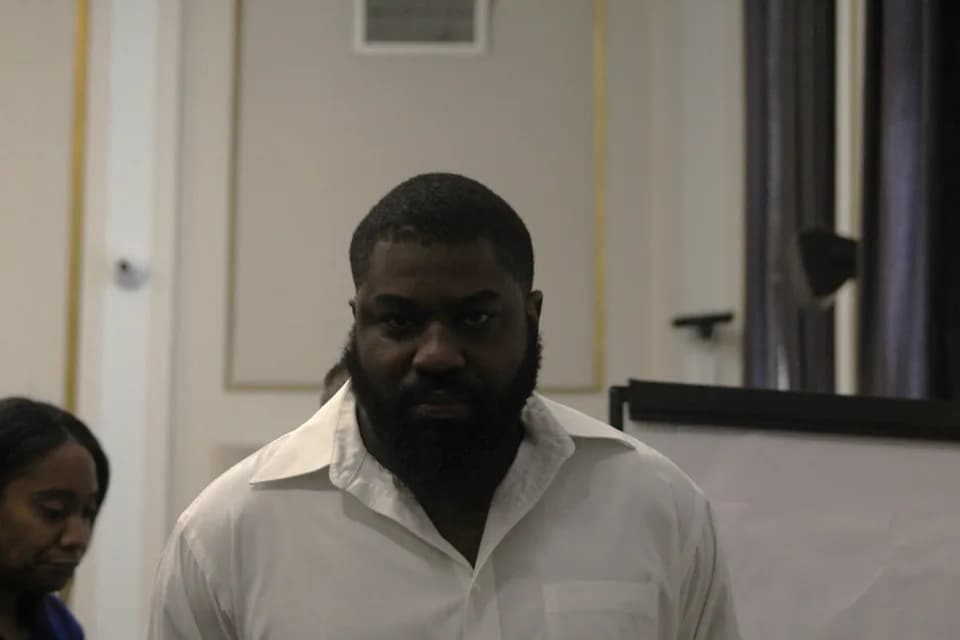
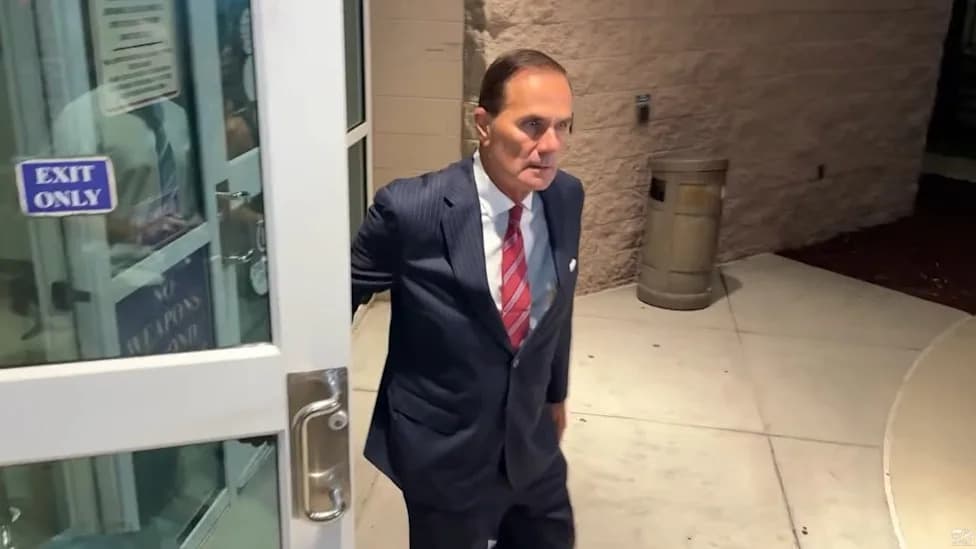
The Georgia jury convicted Colin Gray of multiple crimes after his 14-year-old son, Colt, used an AR-15 to kill two students and two teachers and wound nine others at Apalachee High School on Sept. 4, 2024. The ruling — only the second of its kind — underscores a growing legal effort to hold parents criminally accountable when they supply weapons to minors or repeatedly ignore warning signs. Critics warn that expanding parental liability risks distracting from broader reforms such as gun-safety laws and mental-health services, while supporters say such prosecutions are a necessary deterrent and accountability measure.
Father Convicted After Giving 14-Year-Old an AR-15 in Deadly School Shooting — A Landmark Ruling

A Georgia jury on Tuesday found Colin Gray guilty of second-degree murder, manslaughter, cruelty to children and reckless conduct for supplying an AR-15 to his 14-year-old son, Colt Gray. The charges arise from a Sept. 4, 2024 shooting at Apalachee High School in Winder, Georgia, in which Colt killed two students and two teachers and wounded nine others.
Prosecutors’ Case and Key Evidence
Prosecutors presented evidence that Colt arrived at school with an AR-15 concealed in a backpack, asked a first-period teacher how the school would respond to an active shooter, and then opened fire. Investigators say Colt left written plans and diagrams, notes about potential body counts and a poster of the Parkland shooter in his bedroom. Just before the attack, Colt texted his father: “I’m sorry, it’s not ur fault” and “ur not to blame for any of it.”
Why the Verdict Matters
The jury’s verdict makes Colin Gray only the second parent in U.S. history to be criminally convicted in connection with a child’s school shooting. Supporters of the prosecution say the ruling sends a strong message: parents who supply powerful firearms to minors and ignore clear warning signs can face criminal consequences when those weapons are used to kill.
Vicarious Liability and the Debate Over Parental Responsibility
The Gray conviction draws on the controversial idea — sometimes described as a form of vicarious liability — that adults who enable access to weapons or repeatedly ignore obvious danger signs can be held criminally responsible for another person’s lethal acts. Legal scholars and civil-rights advocates are divided. Critics argue criminal responsibility should be personal and warn that expanding liability risks unfairly broadening the criminal law. Supporters say prosecutions target clear cases of enablement and neglect that contributed directly to tragedy.
“Parents are not expected to be psychic,” said Judge Cheryl Matthews at the Crumbley sentencing. “These convictions confirm repeated acts or lack of acts that could have halted an oncoming runaway train.”
Context: Recent Related Cases
The Gray verdict follows other recent prosecutions that signal prosecutors’ willingness to pursue parental accountability. In 2021, Jennifer and James Crumbley were convicted of involuntary manslaughter after their son, Ethan, murdered four students; the Crumbleys were each sentenced to 10–15 years. In 2023 a father pleaded guilty to misdemeanors after his son killed seven people in a Highland Park, Illinois, Independence Day attack; prosecutors said the plea was intended as a warning to other parents. States have also brought charges in other cases, including Wisconsin’s prosecution of Jeffrey Rupnow and a 2025 Texas case in which a woman was charged for buying tactical gear and ammunition for her 13-year-old son before a planned attack.
Policy Questions and Prevention
Advocates of parental prosecutions say the measures can be one tool among many to reduce school shootings, alongside stronger firearm safeguards and expanded mental-health services. Critics — including some legal scholars — argue criminal prosecutions of parents risk distracting from systemic reforms like gun policy and mental-health investment and may raise fairness concerns about penalizing adults for another person’s acts.
The larger policy challenge remains clear: school shootings continue at alarming rates, and prevention likely requires a combination of better gun storage and access laws, earlier mental-health intervention, and more vigilant responses from families and communities when warning signs appear.
Bottom Line
The Georgia jury’s decision establishes a stronger legal pathway for holding adults accountable when they enable or ignore lethal risks. Whether this approach will reduce school shootings is contested, but the verdict removes a measure of legal anonymity for parents who provide minors with weapons and neglect clear, repeated warning signs.
Help us improve.