
Unicode has encoded a previously unofficial gender‑neutral Chinese character commonly shown as X也, potentially making it typeable and searchable once platforms and fonts implement the update. The character originated in intersex and non‑binary communities and was formally proposed to Unicode in late 2020. Technical rollout and social adoption may take months or years, but advocates say encoding offers symbolic recognition and expands choices for non‑binary Chinese speakers amid regional political pressures.
Unicode Encodes X也 — A Typeable Gender‑Neutral Chinese Pronoun

Illustration by Leah Abucayan/CNN
In September, Unicode added a previously unofficial Chinese character often represented as X也, a written gender‑neutral pronoun invented and used by intersex and non‑binary communities. If and when operating systems, input methods and fonts adopt the update, the character may become searchable and typeable on phones and computers worldwide.
Why This Matters
For many non‑binary Chinese speakers, written pronouns have been a practical and symbolic problem. Chinese personal pronouns are pronounced the same in speech (ta), but written forms have long been gendered: the historically neutral character 他 came to be associated with maleness, while 她 was created in the early 20th century as a female form. That history helps explain why some people prefer a distinct written option that neither reads as male nor female.
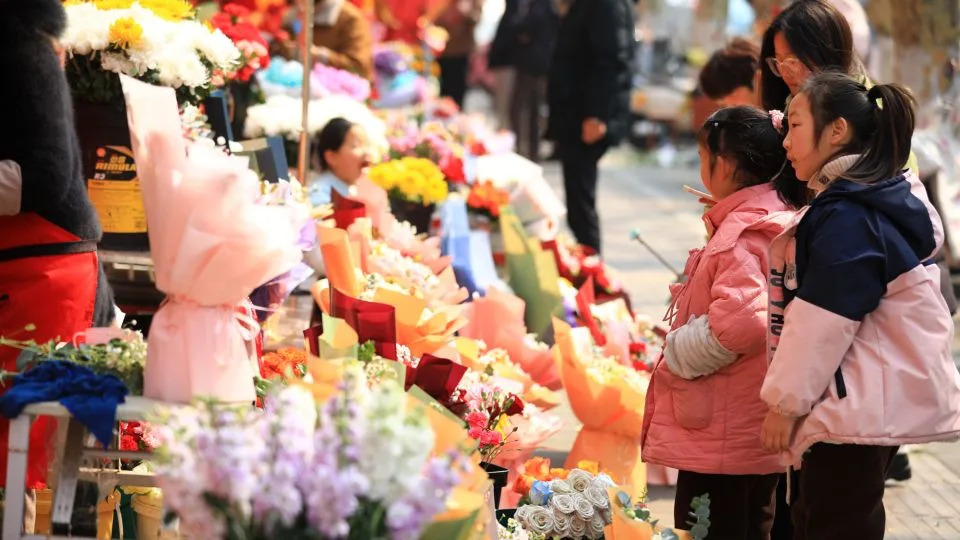
Customers shop for flowers at a market to celebrate International Women's Day on March 8, 2025 in Huai'an, China. - Zhou Changguo/Visual China Group/Getty Images
From Fringe Symbol To Unicode
The X‑marked character has circulated in LGBTQ+ communities for nearly a decade, often written informally as X也 when people couldn’t type the official glyph. Language‑services professional Michael Bauer and a partner submitted a formal proposal to Unicode in late 2020; the character was accepted this September. Encoding is a major step toward broader visibility and technical support, though widespread implementation will depend on platform and font updates that could take months or years.
Siufung Law, a Hong Kong non‑binary activist and PhD candidate in gender and sexuality studies, said the addition signals recognition: “Having a pronoun that is more specifically addressed to people who do not want to be labeled or boxed within the male and female pronouns could be a really good alternative.”
Alternatives and Adoption Challenges
Many Chinese speakers already use the Latin letters TA (in capitals) as a practical workaround. TA matches the spoken syllable and avoids gendered character radicals, but some find inserting English letters into Chinese text unsatisfying. Others have tried using 他 as a neutral option, but for some users its male association makes it feel inappropriate.
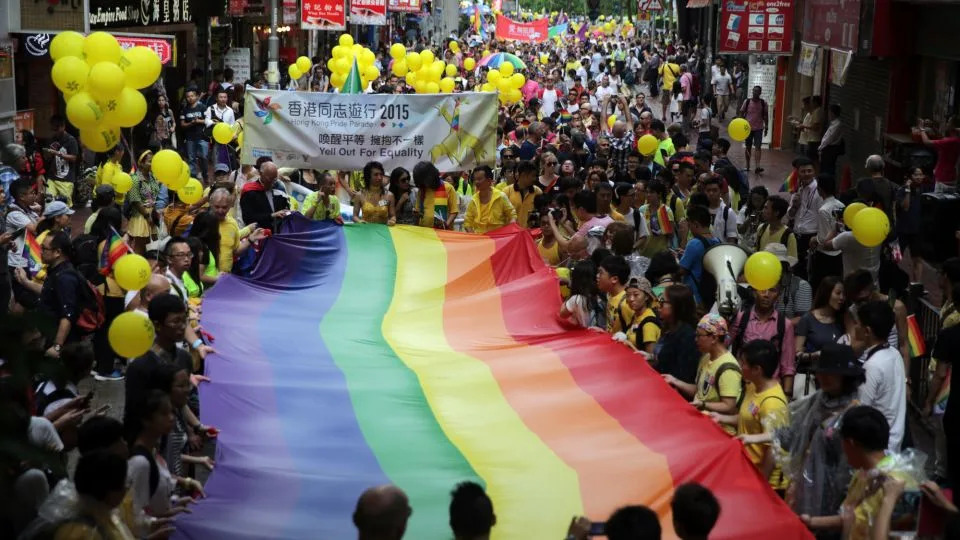
People take part in the Lesbian, Gay, Bi-sexual and Transgender (LGBT) parade in Hong Kong on November 6, 2015. - Isaac Lawrence/AFP/Getty Images
Even after Unicode encoding, technical hurdles remain: operating systems, input methods and fonts must add the glyph, and apps need to update search and rendering. Social adoption is another hurdle. In Cantonese‑speaking Hong Kong, colloquial neutral pronouns exist in speech, which may lessen demand for a new written character. Still, advocates emphasize that encoding confers legitimacy and can spark broader conversations about gendered language.
Political And Cultural Context
Supporters say the move is especially meaningful given increasing restrictions on LGBTQ+ visibility in parts of the Chinese‑speaking world. Mainland China has tightened controls on queer representation in media and online platforms, Hong Kong has not legalized same‑sex marriage and has experienced a national security crackdown that affected activists, while Taiwan remains the region’s most progressive jurisdiction, having legalized same‑sex marriage.
For many non‑binary people, the encoded character is less about immediate, universal uptake and more about recognition and choice. As one interviewee put it, adding a written option tells people that their identity is a valid possibility and can encourage more gender‑neutral language innovations in everyday phrases and address forms.
What Comes Next: Platforms, font foundries and input‑method developers will need to roll out support. Even then, community uptake will determine whether the character becomes a routine option, a niche symbol, or a catalyst for wider linguistic change.


